A Guide to Termites Species in Malaysia
With proper knowledge of the different termites species, including their infestation habits and intrinsic caste system within colonies. Owners can take proactive measures to prevent infestations.
Termites Species in Malaysia
Termites are fascinating social insects that play critical ecological roles. Particularly in decomposing dead wood and recycling nutrients back into the soil. Their ability to break down cellulose, found in wood and plant matter, makes them invaluable to forest ecosystems. However, this same ability can lead to significant structural damage when they infest wooden structures in and around homes.
In Malaysia, various species contribute to both ecological health and potential property damage. We provide a comprehensive overview focusing on the different termite colony, species found in Malaysia. Their behaviours, the impact on wooden structures, and effective control methods.
If you suspect a termite infestation in your home or commercial property, our termite control services are available across Kuala Lumpur, Selangor and Johor Bahru.
The Caste System of Termites
They operate within a complex caste system comprising three primary castes: workers, soldiers, and reproductives. Understanding this caste system is essential for comprehending their behaviour and colony dynamics.
Workers
The primary role of worker termites is to gather food, maintain the nest, and care for the young. They make up the majority of the colony and are responsible for foraging wood. Which is critical for the survival of the colony.
Soldiers
Soldier termites protect the colony from predators, such as ants. They have larger mandibles for defence and are typically sterile. Their presence is essential for the colony's survival, especially regarding potential threats.
Reproductives
The caste includes the king and queen with a primary job to reproduce and help the colony survive. The queen can lay thousands of eggs daily, ensuring rapid colony growth. Without the presence of the queen in the colony, the entire system crumbles.
Alates
Alates are winged reproductive that emerge during termite swarmers seasons, usually after rain. Their primary role is to leave the colony to mate and establish new colonies. Alates are critical for the continuation of their species, creating new colonies when environmental conditions are suitable.
Workers
Workers make up the majority of the colony and are responsible for foraging wood. They are typically small, soft-bodied, and pale in colour, adapted for moving through tunnels and chambers within wood and soil.
Soldiers
Soldier termites are physically distinct from workers. They have larger mandibles for defence and are typically sterile. Their enlarged heads and powerful jaws are specifically adapted to protect the colony from predators, such as ants.
Alates (Winged Reproductives)
Alates are winged reproductive that emerge during termite swarmers seasons, usually after rain. Unlike workers and soldiers, alates possess two pairs of equal-length wings, which they shed after mating. Their compound eyes allow them to navigate during swarming flights as they search for new colony sites.
Subterranean Species
Subterranean termites live in colonies underground and build mud tubes, which they construct to travel between their nests and food sources. They are drawn to decaying wood and damp environments, making homes with moisture issues particularly susceptible to infestations.
Drywood Species
Drywood termites differ from their subterranean counterparts as they do not require contact with soil for survival. They infest dry wood, which can include furniture, structural timber, and even wooden framing in buildings. They primarily thrive in drier areas.
Dampwood Species
Species such as Zootermopsis spp prefer decaying wood that has a high moisture content. They are typically in tropical regions, where humidity levels are high. In Malaysia, they are usually in dead trees, stumps, and areas with poor drainage.
They infest wood by seeking out their primary food sources: cellulose-rich materials. Drawn to decaying wood and damp environments, making homes with moisture issues particularly susceptible to infestations. The process begins when workers locate a food source, creating tunnels and chambers as they consume and break down the wood.
Subterranean termites feed 24 hours and build mud tubes to connect their underground nests to these food sources. Allowing them to transport moisture, food, and shelter.
Drywood species, on the other hand, directly invade the dry wood without the need for contact with the soil. They enter through tiny cracks or imperfections in the wood surface and start feeding internally. Often remaining undetected until significant damage occurs.
Wooden Structures Susceptible to Termites Infestations
They target various wooden structures, leading to severe consequences for owners. Common structures at risk of infestation include:
Decking
Fencing
Foundation and Framing
Furniture
How Termites Species in Malaysia Infest Wood?
They infest wood by seeking out their primary food sources: cellulose-rich materials. Drawn to decaying wood and damp environments, making homes with moisture issues particularly susceptible to infestations. The process begins when workers locate a food source, creating tunnels and chambers as they consume and break down the wood.
Subterranean termites feed 24 hours and build mud tubes to connect their underground nests to these food sources. Allowing them to transport moisture, food, and shelter.
Drywood species, on the other hand, directly invade the dry wood without the need for contact with the soil. They enter through tiny cracks or imperfections in the wood surface and start feeding internally. Often remaining undetected until significant damage occurs.
Structural Damage Caused by Termites
The structural damage inflicted by these pests can be extensive and costly. Regular inspections and monitoring of susceptible areas can help owners stay ahead of potential infestations.
Signs of active termite infestations include hollow wood, the presence of mud tubes, sawdust or frass deposits, and peeling or bubbling paint. Identifying active infestations early is crucial to mitigate structural damage and avoid costly repairs.
Get Professional Termite InspectionHollow Wood
Mud Tubes
Sawdust or Frass
Peeling Paint
Termite Species in Malaysia
In Malaysia, several type of termites in Malaysia thriving in different environments. Primarily falling into three main categories: subterranean, drywood, and dampwood termites problems.
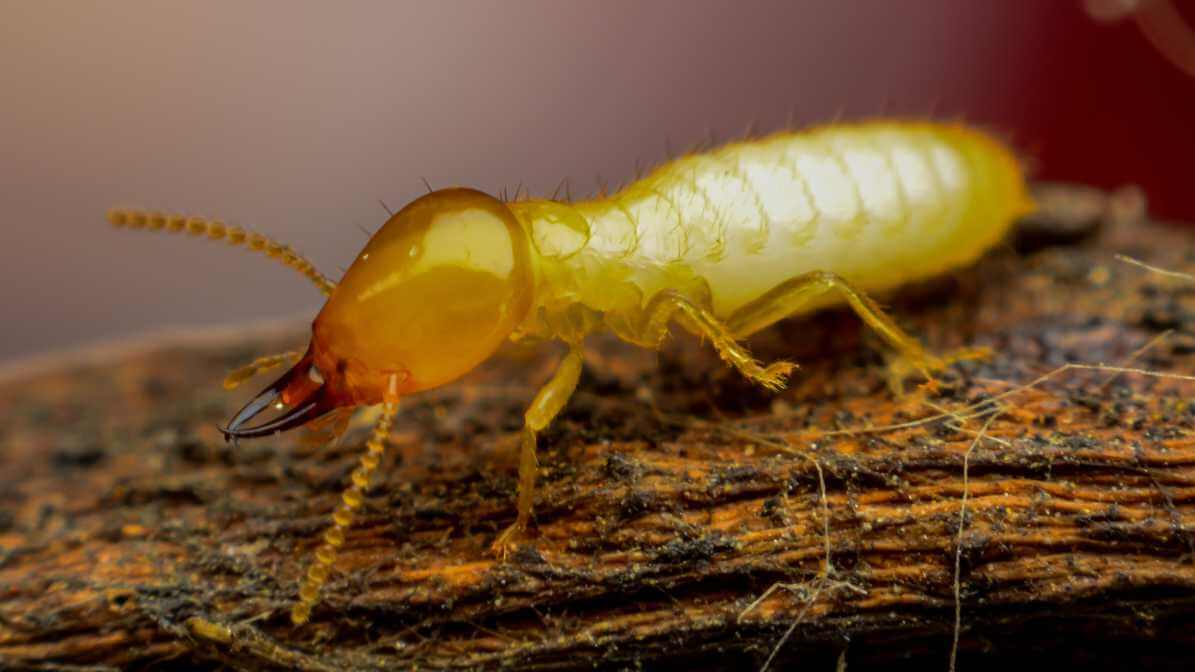
Subterranean Termites
Coptotermes formosanus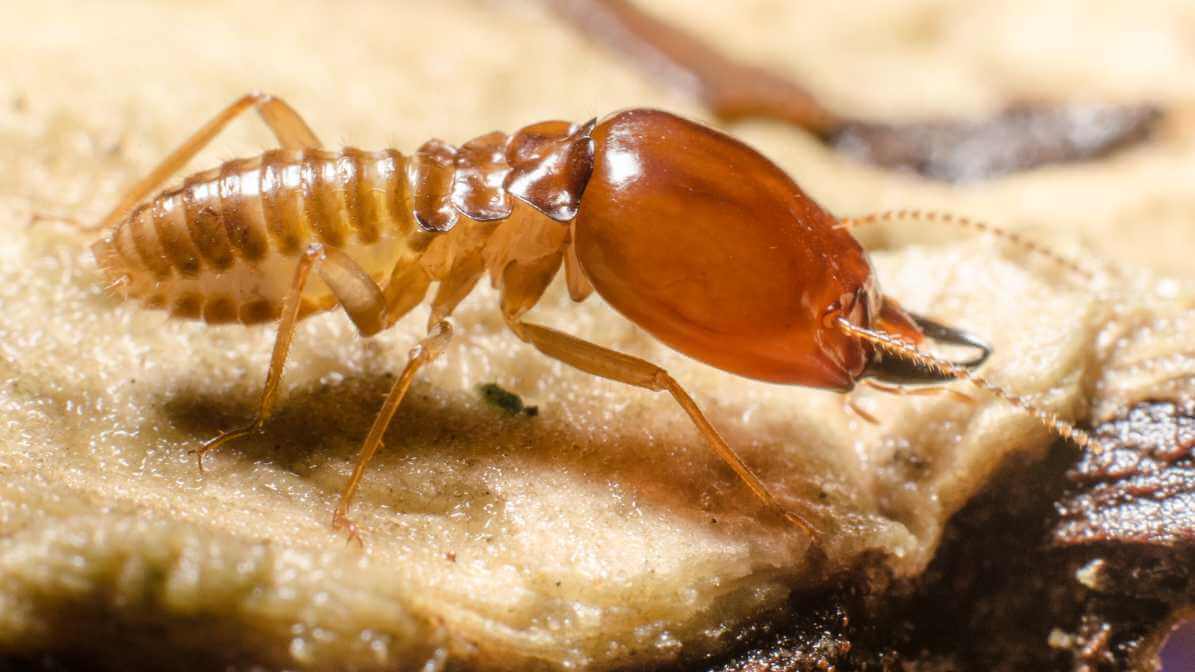
Drywood Termites
Cryptotermes cynocephalus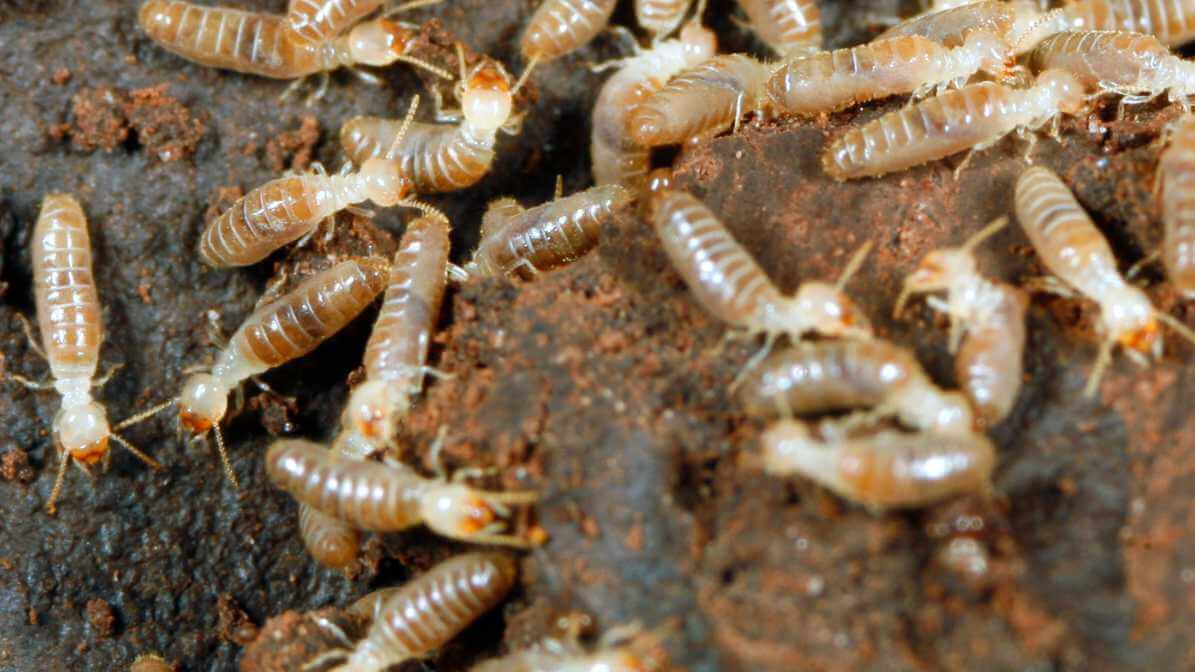
Dampwood Termites
Archotermopsidae (Zootermopsis spp)Frequently Asked Questions
What are the most common types of termites in Malaysia?⌄
In Malaysia, several type of termites thrive in different environments. Primarily falling into three main categories: subterranean, drywood, and dampwood termites. Subterranean termites, such as Coptotermes formosanus and Coptotermes curvignathus, are arguably the most destructive. Drywood termites (Cryptotermes cynocephalus) infest dry wood without soil contact. Dampwood species such as Zootermopsis spp prefer decaying, moisture-rich wood found in tropical regions.
How do I know if I have a termite infestation?⌄
Signs of active termite infestations include hollow wood that produces a clicking sound when tapped, the presence of mud tubes especially in subterranean species, small pellets of faecal matter (frass) that resemble sawdust left by drywood species, and paint that cracks, peels, or bubbles due to structural damage inflicted from within. Regular inspections of susceptible wooden areas can help owners stay ahead of potential infestations.
What is the difference between subterranean and drywood termites?⌄
Subterranean termites live in colonies underground and build mud tubes to travel between their nests and food sources. They are drawn to decaying wood and damp environments. Drywood termites, on the other hand, do not require contact with soil for survival. They infest dry wood directly, entering through tiny cracks or imperfections in the wood surface and starting to feed internally. Drywood termites often remain undetected for long periods as they do not produce mud tubes.
What termite treatment options are available in Malaysia?⌄
Managing, controlling and preventing termite populations requires a well-round approach from pest control companies. Effective termite control methods include termite baits, liquid treatments, wood treatments, moisture control, and physical barriers. A licensed pest control operator can assess your specific situation and recommend the most appropriate combination of treatments for your property.
How quickly can termites cause structural damage to my home?⌄
The structural damage inflicted by termites can be extensive and costly. Subterranean termites feed 24 hours a day and, in Malaysia's warm tropical climate, colonies can grow rapidly. Wooden frames, foundations, decking, and furniture are all susceptible. Identifying active infestations early is crucial to mitigate structural damage and avoid costly repairs. Regular inspections are strongly recommended, especially for older properties.
Does my property need to be vacated during termite treatment?⌄
Whether vacating is required depends on the type of termite treatment used. Liquid soil treatments and baiting systems typically do not require vacating the premises. For more intensive treatments, your pest control operator will advise you on the necessary precautions. Innovative Pest Sdn Bhd is a licensed pest control operator registered with the Pesticides Board Malaysia (LRP) and all treatments follow regulated safety standards to protect your family.
Can I prevent termites from infesting my home on my own?⌄
There are proactive measures property owners can take to reduce the risk of infestation. Moisture control is important as termites are drawn to decaying wood and damp environments. Removing wood-to-soil contact, ensuring proper drainage, sealing cracks and crevices in foundations, and using treated wood for outdoor structures all reduce risk. However, once an active colony is present, professional intervention using effective termite control methods is strongly recommended.