Guide to Mosquito in Malaysia
Mosquito in Malaysia
They belong to the family Culicidae and are small flying insects that thrive sucking blood in warm, humid environments. Comprising over 3,500 species globally, they are most prevalent in tropical and subtropical regions, including Malaysia. They play various roles in the ecosystem, such as serving as food for birds, bats, and other predators. Their primary significance to humans lies in their ability transmitting diseases, making them important targets for public health initiatives.
They play a significant role in the ecosystem, but they are perhaps best known for their impact on public health. In Malaysia, where the tropical climate provides an ideal breeding ground, mosquitoes are more than just a nuisance. They are vectors for several dangerous diseases.
Understanding the types of mosquito species in Malaysia and their behaviours helps reduce population and risks posed to human health.
The Lifecycle, Dietary & Habitat
Mosquitoes undergo complete metamorphosis through four distinct stages. The female lays eggs on or near water surfaces, which can hatch in as little as 24 hours under warm Malaysian conditions.
Larvae emerge from the eggs and live in water, feeding on organic matter and microorganisms near the surface. They then transform into pupae, a resting stage lasting a few days during which adult structures form internally.
Finally, fully formed adult mosquitoes emerge from the pupal case. Females immediately seek a blood meal required for egg development, while males feed on plant nectar. In Malaysia's year-round warmth, this cycle can complete in as little as 7 to 10 days.
Mosquitoes have three main body sections: the head, thorax, and abdomen. The head features large compound eyes and a distinctive proboscis, a tube-like mouthpart used by females to pierce skin and draw blood.
Males have feathery antennae used to detect the wing-beat frequency of females for mating. The thorax bears three pairs of slender legs and one pair of narrow, scaled wings with distinctive venation patterns that differ between species.
The abdomen expands when engorged with a blood meal, allowing females to carry and nourish developing eggs. Body size, colouration, and markings vary across species, with Aedes displaying characteristic white markings on their legs and thorax.
They require standing water for breeding, making it crucial to eliminate potential breeding sites. Common sources of standing water include abandoned containers, clogged gutters, and even small puddles.
Different species occupy distinct habitats suited to their breeding needs. Aedes mosquitoes thrive in urban environments, breeding in small containers holding stagnant water such as flower pots, discarded tyres, and roof gutters found around Malaysian homes.
Anopheles mosquitoes prefer to breed in clean, undisturbed freshwater environments and are more prevalent in rural and semi-rural areas where natural water bodies are common.
Culex mosquitoes favour polluted water and commonly breed in drains and sewage systems found in both urban and suburban settings. In Malaysia's tropical climate, warm temperatures and frequent rainfall create year-round breeding conditions for all three species.
Females are the primary offenders for mosquito bites, as they require a blood meal for egg development. Males feed exclusively on plant nectar and sugary plant fluids throughout their lifespan. Understanding these feeding habits helps in developing targeted prevention strategies.
Female can detect carbon dioxide exhaled by humans and animals from a significant distance, guiding them toward potential hosts. Body heat and certain body odours also attract them, making some individuals more susceptible to bites than others.
Once a suitable host is located, the female pierces the skin with her proboscis and injects saliva containing anticoagulants before drawing blood. It is through this saliva that disease pathogens such as dengue and malaria are transmitted to the host.
Mosquito Life Cycle
Egg
Larva
Pupa
Adult
Mosquito Borne Diseases
Understanding these diseases highlights the importance of effective mosquito control measures. The health risks from these diseases, along with Malaysia's warm climate, make it important to stay alert. In Malaysia, they are vectors for several serious diseases.
Dengue Fever
Malaria
Chikungunya
Zika Virus
West Nile Virus
Preventive
Measures
Preventive measures are critical in reducing their populations and minimising the risk of transmission of mosquito-borne diseases. Here's how individuals and communities can contribute.
If you have a persistent mosquito infestation despite preventive efforts, professional pest control is recommended.
Mosquito Repellents
Eliminate Breeding Grounds
Environmental Management
Vaccination and Awareness
Mosquito Species in Malaysia
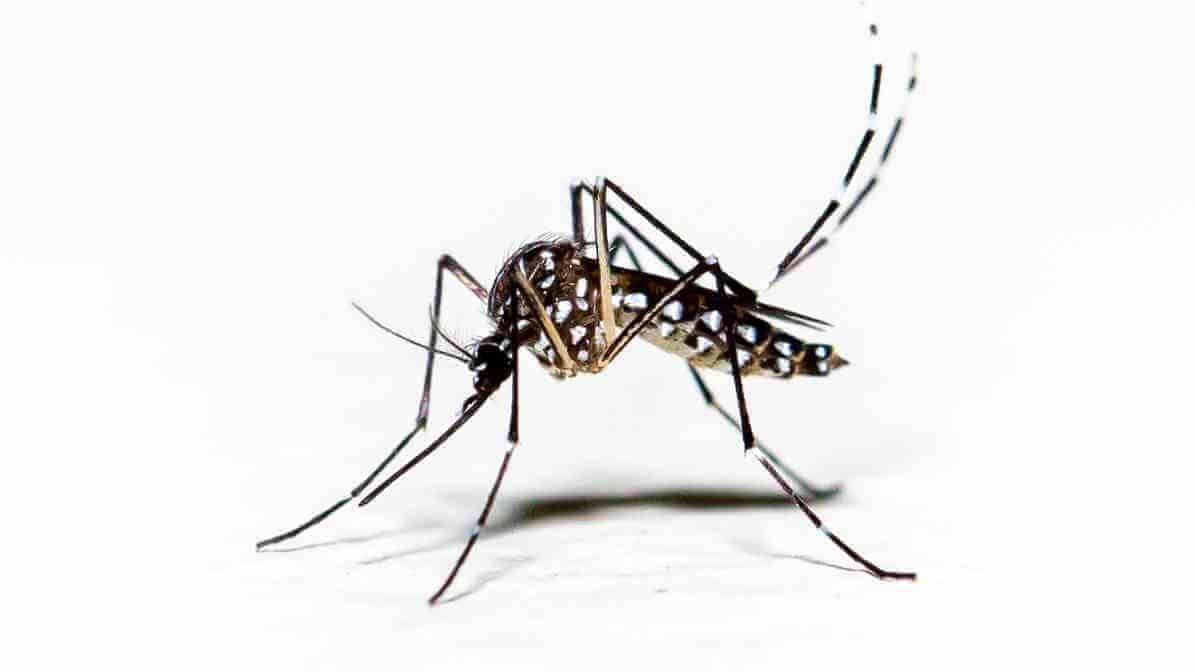
Aedes Mosquito
Aedes aegypti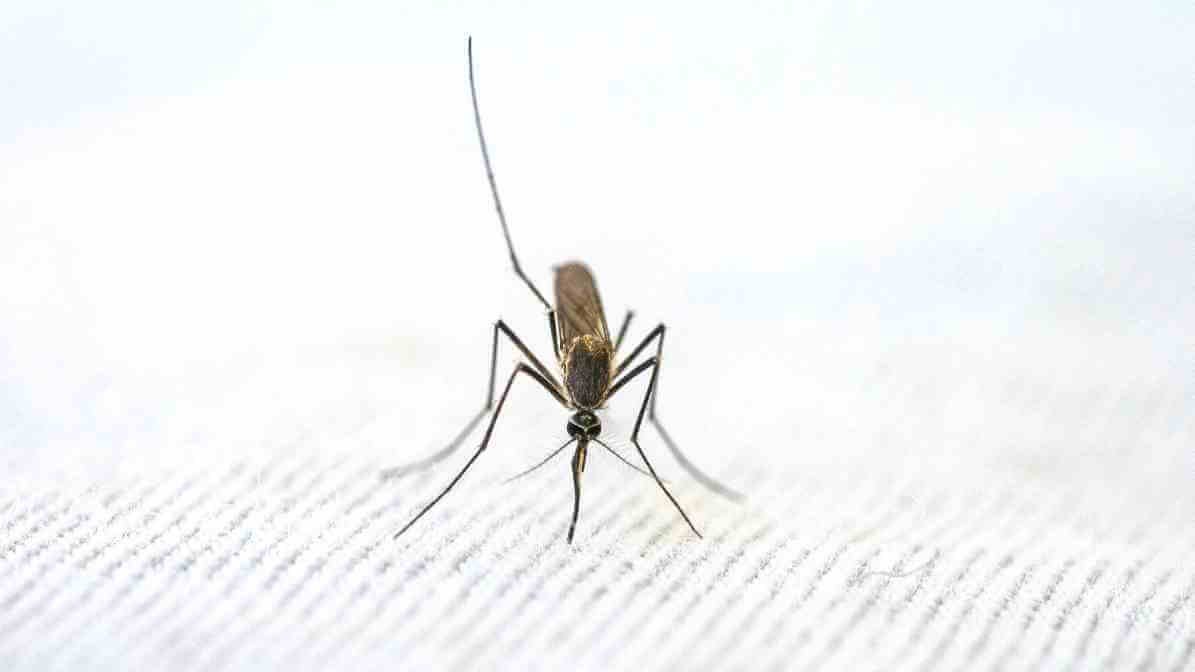
Anopheles Mosquito
Anopheles spp.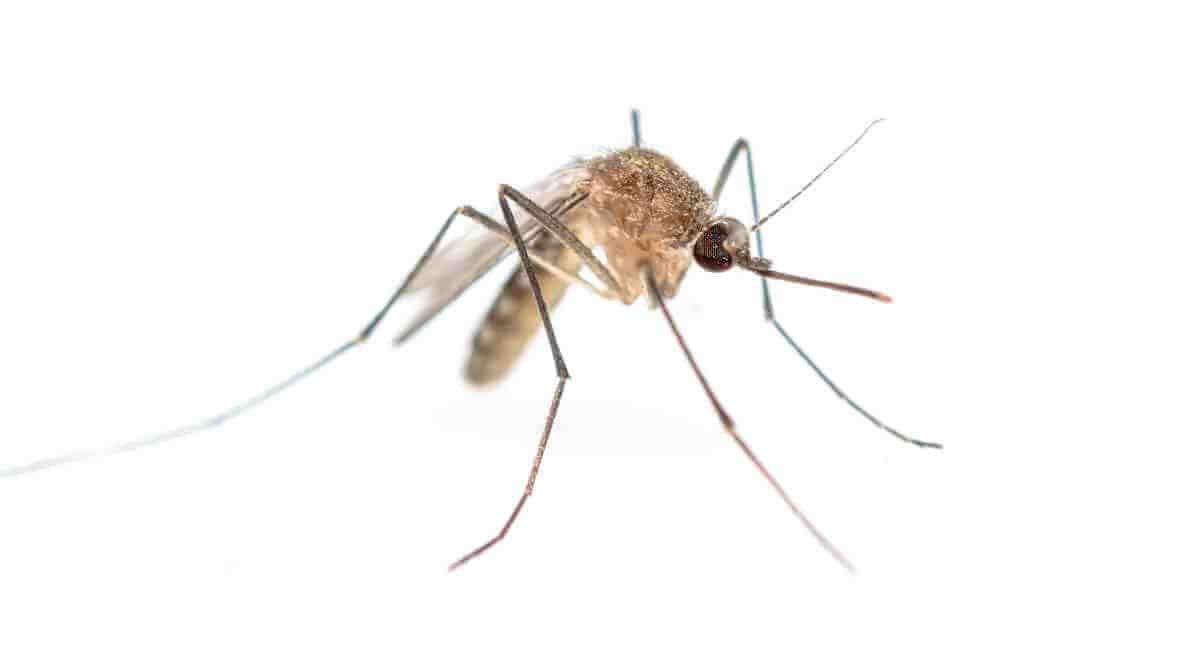
Culex Mosquito
Culex spp.Frequently Asked Questions
What attracts mosquitoes to humans in Malaysia?⌄
Female mosquitoes are attracted to the carbon dioxide you exhale, body heat, sweat, and certain skin odours. In Malaysia's warm and humid climate, this means outdoor activity at dawn and dusk carries the highest risk of being bitten, as most Aedes species are active during these periods.
Which mosquito species is responsible for dengue fever in Malaysia?⌄
Dengue fever in Malaysia is primarily transmitted by the Aedes aegypti mosquito. This species is a daytime biter, most active during early morning and late afternoon, and breeds in small containers with standing water found around homes. Aedes mosquitoes have distinctive white markings on their legs and thorax.
How long does it take for mosquitoes to breed?⌄
The mosquito life cycle from egg to adult can be completed in as little as 7 to 10 days under ideal warm conditions in Malaysia. Female mosquitoes lay their eggs on or near still water surfaces, and larvae hatch within 24 hours. Malaysia's tropical climate means mosquitoes can breed year-round.
Where do mosquitoes commonly breed in Malaysian homes?⌄
Mosquitoes breed in any source of standing water. Common breeding sites in Malaysian homes include flower pot saucers, roof gutters, unused containers, discarded tyres, and water features. Even a small amount of stagnant water is sufficient for Aedes mosquitoes to breed and multiply rapidly.
What is the most effective way to prevent mosquito infestations in Malaysia?⌄
The most effective prevention combines eliminating standing water around your property, applying EPA-registered repellents when outdoors, wearing long-sleeved clothing during peak biting hours, and engaging professional pest control for persistent infestations. Community-wide clean-up efforts targeting breeding grounds are also highly effective.
When should I call a professional for mosquito control in Malaysia?⌄
Contact a professional if you experience repeated biting despite preventive measures, notice larvae in standing water that cannot be removed, or live in an area with recent dengue or malaria activity. Professional mosquito control targets both breeding habitats and adult populations simultaneously for lasting results.