Hornets and Wasps in Malaysia
Hornets and Wasps in Malaysia
Hornet and wasp are family vespidae playing an essential ecological roles in Malaysia. Serving as important pollinators like the bee species, they are also known for their painful stings, which can lead to life-threatening allergic reactions in some individuals.
Understanding their life cycles, and effective prevention methods is crucial for both safety and ecological balance. Explores the various species of hornets and wasps in Malaysia. Their life cycles, impacts of their stings, and effective management strategies.
If you are dealing with a hornet or wasp nest at your property, our hornet and wasp control services are available across Kuala Lumpur, Selangor and Johor Bahru.
Overview of Hornets & Wasps
Hornet and Wasp Life Cycle
Egg Stage
Larval Stage
Pupal Stage
Adult Stage
Signs of a Hornet & Wasp Infestation
Hornets and wasps can establish nests in sheltered areas around your property. Early detection is important, as nests can grow rapidly during warmer months and pose increasing risks to occupants and visitors.
Their aggressive behaviour, particularly when defending nests, makes it essential to identify warning signs early and seek professional assistance before the situation escalates.
View our hornet and wasp control serviceVisible Nests in Sheltered Areas
Increased Activity Near Entry Points
Papery Nest Material
Aggressive Behaviour When Approached
Black and Yellow Markings
Nesting in Man-made Structures
Hornet & Wasp Species in Malaysia
Malaysia is home to several distinct hornet and wasp species from the family Vespidae, each with unique nesting behaviour, appearance, and ecological role.
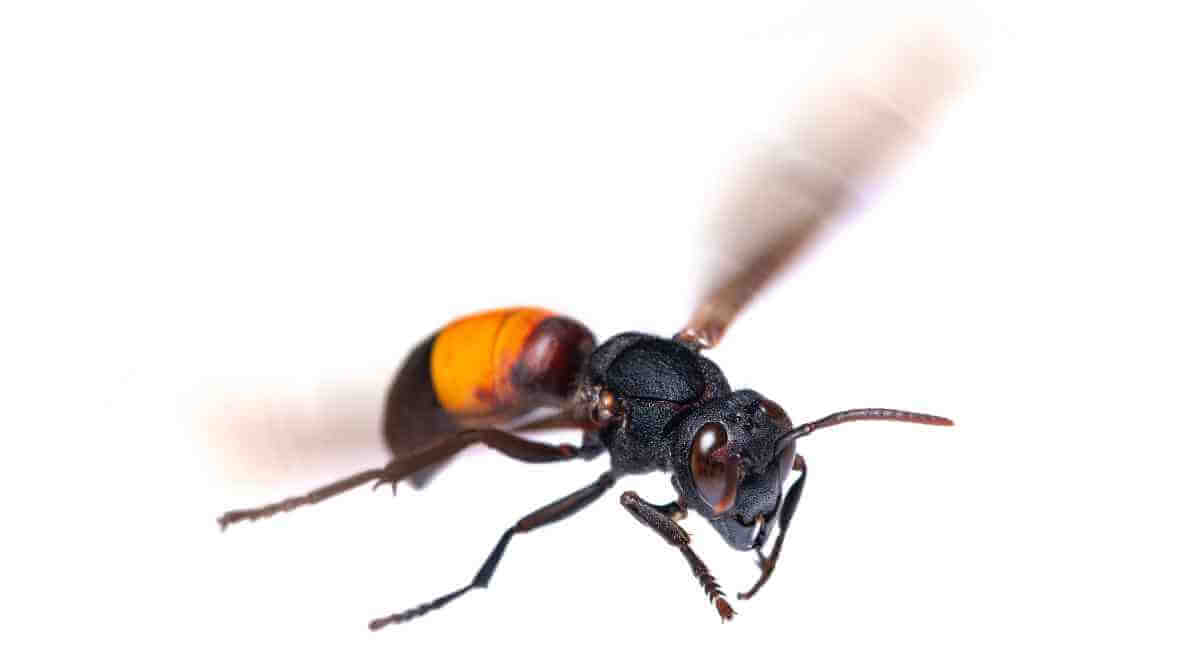
Lesser Banded Hornet
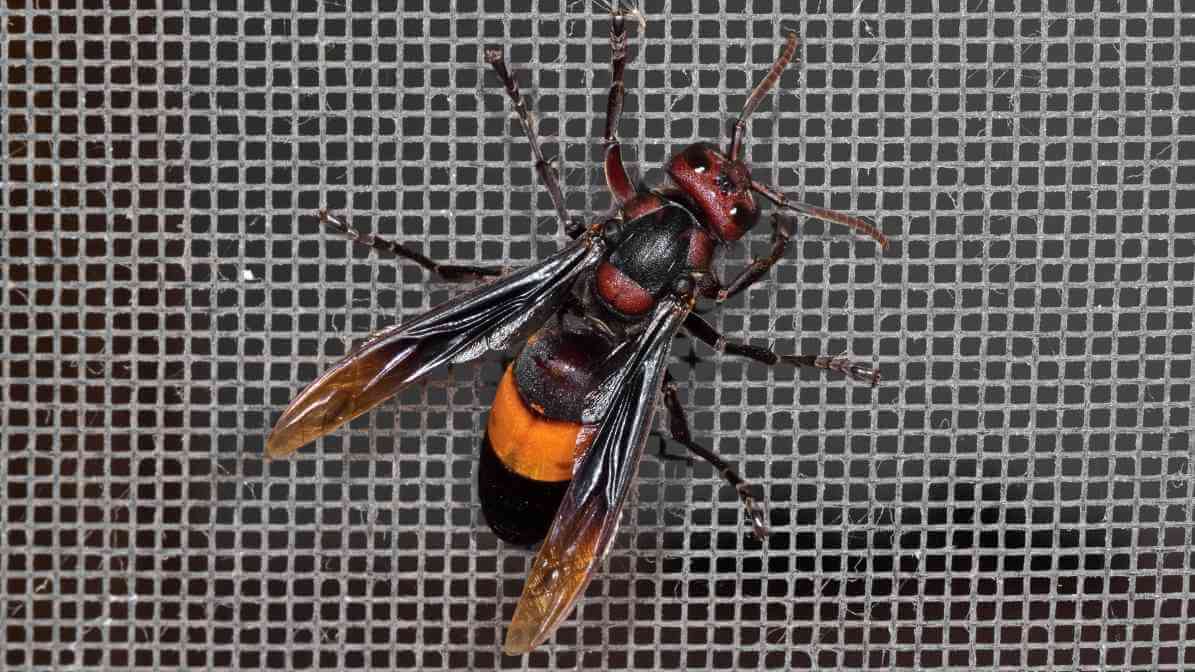
Greater Banded Hornet
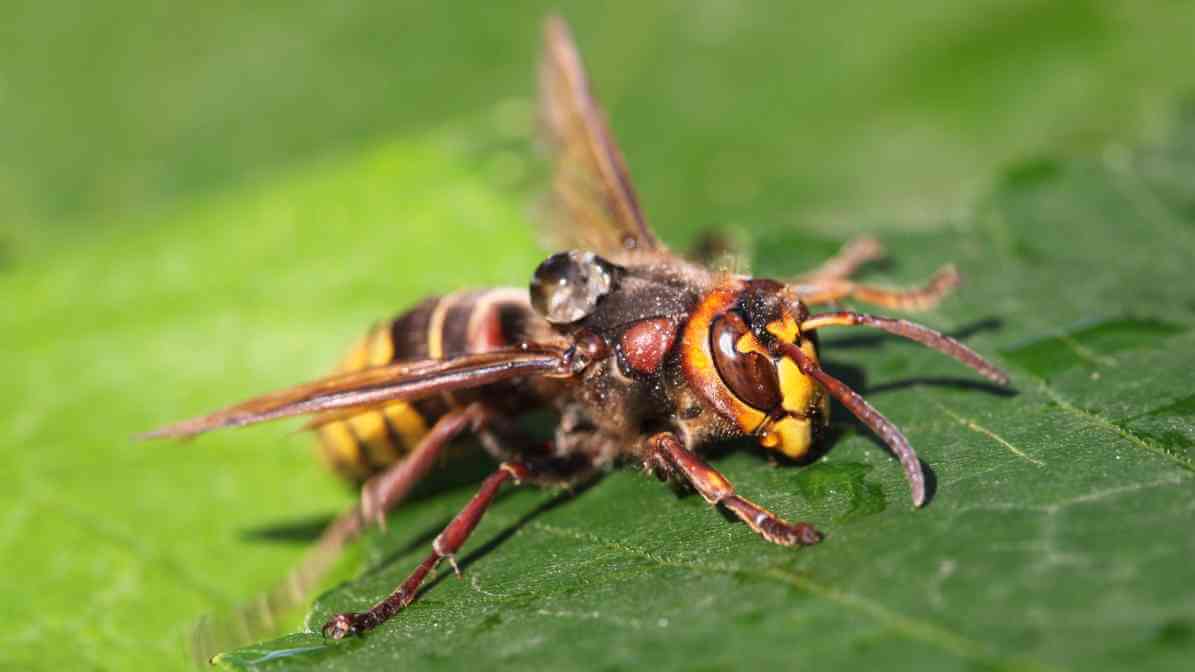
Yellow-Vented Hornet
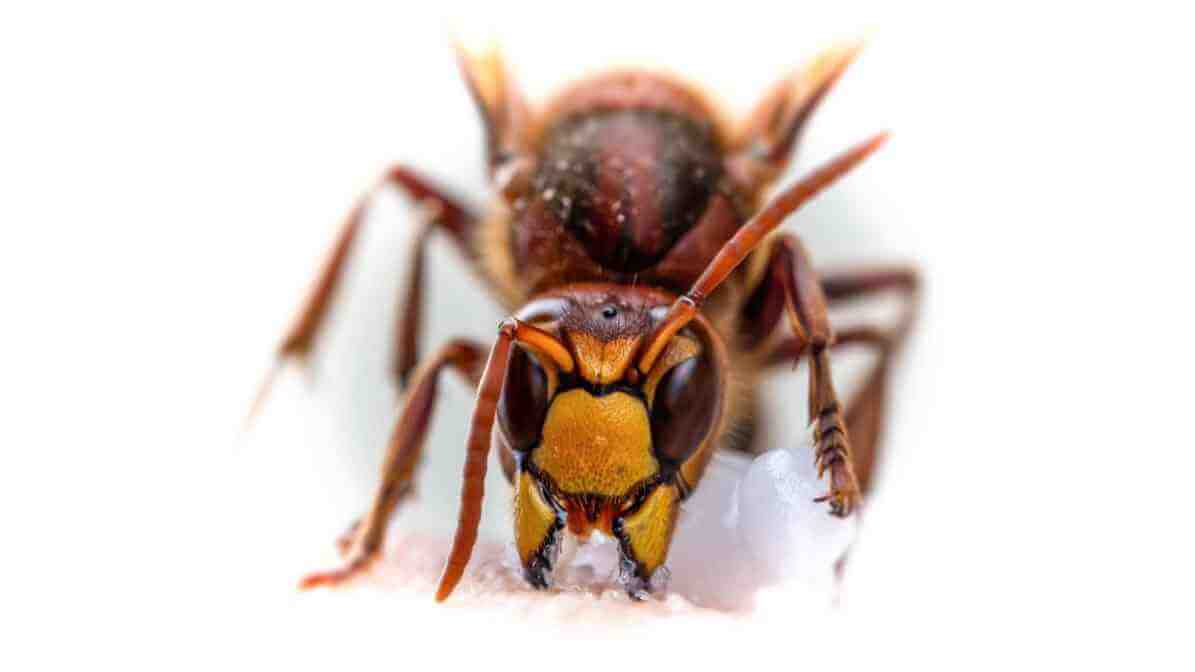
Asian Giant Hornet
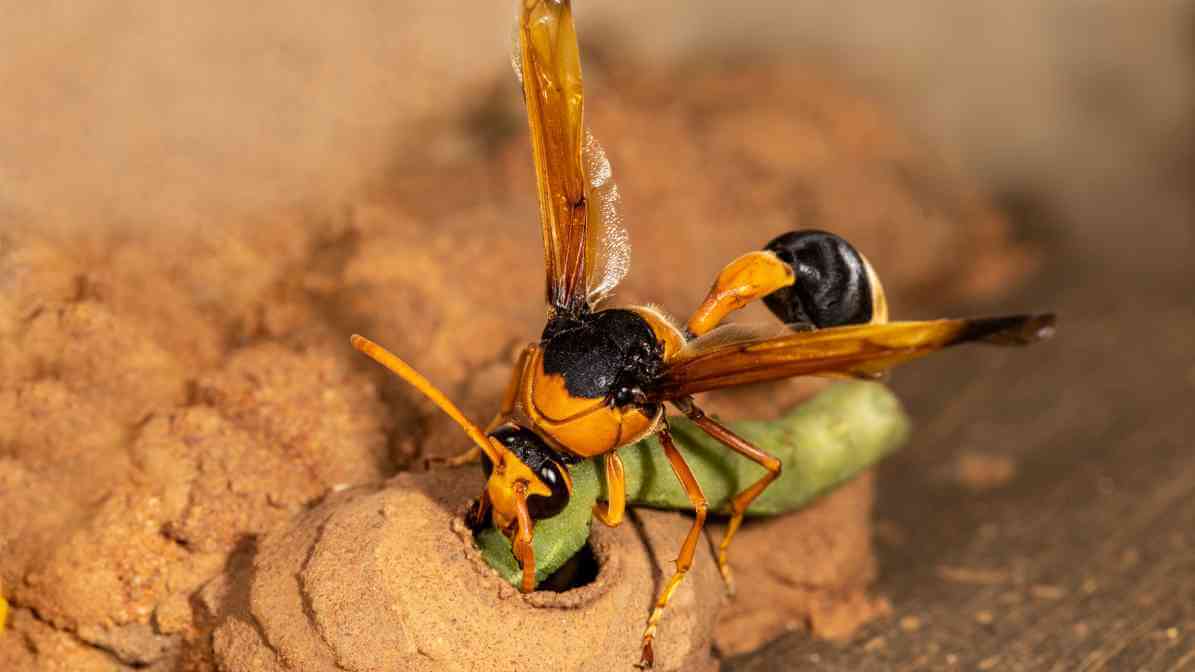
Pear-Tailed Potter Wasp
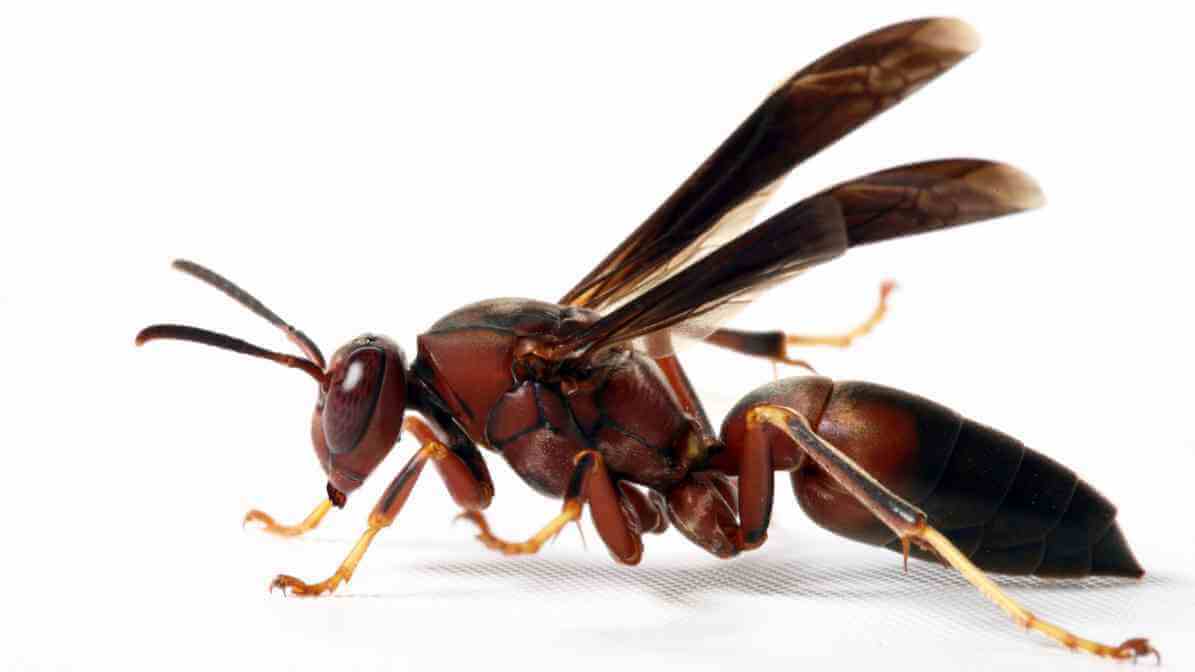
Banded Paper Wasp
Frequently Asked Questions
What is the difference between a hornet and a wasp in Malaysia?⌄
Hornets are a type of wasp belonging to the genus Vespa, and are generally larger in size compared to most other wasp species. In general, wasps have a more elongated body with a narrow waist compared to hornets. Hornets also tend to have a larger size, with some species capable of reaching over 2.5 cm in length. Both build papery nests from chewed wood fibre, but hornets tend to construct larger nests and display more aggressive defensive behaviour.
Are hornets and wasps dangerous to humans in Malaysia?⌄
Both species have stings that can be painful and, in some cases, lead to serious health consequences. Hornet stings are often more painful than those of common wasps because of their larger size and venom volume. In cases of serious allergic reactions, individuals should seek emergency medical help immediately. The Asian Giant Hornet, in particular, is well known for its aggressive behaviour and potent venom.
What should I do if I find a hornet or wasp nest on my property?⌄
Do not attempt to remove the nest yourself. Hornets are often more aggressive, particularly when defending their nests, and disturbing them can trigger a mass attack. For large infestations or high-risk nests, it is advisable to seek Innovative pest control services. Our professionals have the necessary equipment and expertise to safely remove nests. Contact us via WhatsApp or submit an enquiry through our Urgent Response form.
Which hornet species are most commonly found in Malaysia?⌄
Malaysia is home to several distinct species including the Lesser Banded Hornet (Vespa affinis), Greater Banded Hornet (Vespa tropica), Yellow-Vented Hornet (Vespa analis), and the Asian Giant Hornet (Vespa mandarinia). Common wasp species include the Pear-Tailed Potter Wasp and the Banded Paper Wasp (Polistes sagittarius). Each species varies in nest location, size, and behaviour.
When are hornets and wasps most active in Malaysia?⌄
Hornets and wasps in Malaysia generally thrive in tropical environments throughout the year due to the warm climate. Colony activity tends to peak during warmer and drier periods. Insecticide treatments are most effective when applied during the evening when insects are less active and most of the colony has returned to the nest.
How can I prevent hornets and wasps from nesting on my property?⌄
Implementing effective prevention measures includes regular inspection of properties for nests, especially in early spring before wasps become active. Keeping outdoor areas clean by removing food scraps, covering trash bins with lids, and storing pet food correctly can reduce attractants. Inspecting and sealing cracks and openings in walls, roofs, vents, and chimneys helps prevent them from entering the building structures.
Can hornets and wasps cause structural damage to buildings in Malaysia?⌄
While hornets and wasps do not cause the same level of structural damage as termites, they build their nests in sheltered areas such as wall voids, eaves, and attics. Established nests inside wall voids can be difficult to access and remove, and the papery nest material can occasionally attract secondary pests. Identifying and removing nests early is the most effective way to minimise any impact on building structures.