Type of Rodents in Malaysia
Rodents in Malaysia
Rodents play a crucial role in various ecosystems around the globe, and understanding them is essential. Particularly in Malaysia, where a variety of rodent species thrive in urban and rural environments. The order Rodentia encompasses a diverse range of mammals known for their continuously growing incisors. This growth pattern necessitates regular gnawing on various materials.
This includes wood, food, and other substances, to keep their teeth from becoming overgrown. We will delve into the types of rodents found in Malaysia, explore the challenges posed by rat infestation. And highlight their ecological significance and adaptive behaviours.
Innovative Pest Sdn Bhd is a licensed pest control operator registered with the Pesticides Board Malaysia (Lembaga Racun Perosak), serving Kuala Lumpur, Selangor, and Johor Bahru. Our team provides targeted Rodent Control solutions for residential and commercial properties across Malaysia.
Rodents Behaviour and Adaptation
Ecological Role of Rodents
Food Chain Dynamics
Seed Dispersal
Dietary Adaptability
Nesting Habits
Signs of Rodent Infestation
Gnaw Marks
Droppings
Grease Smears
Scratching Sounds
Burrows and Nests
Rodents Species in Malaysia
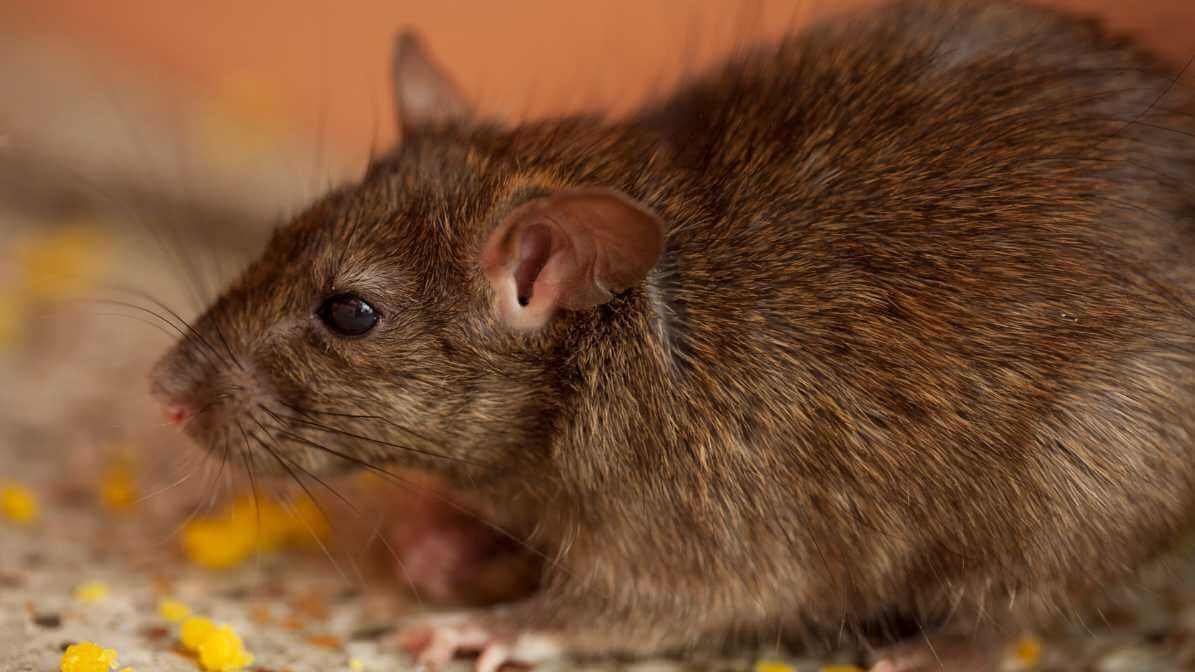
Norway Rat
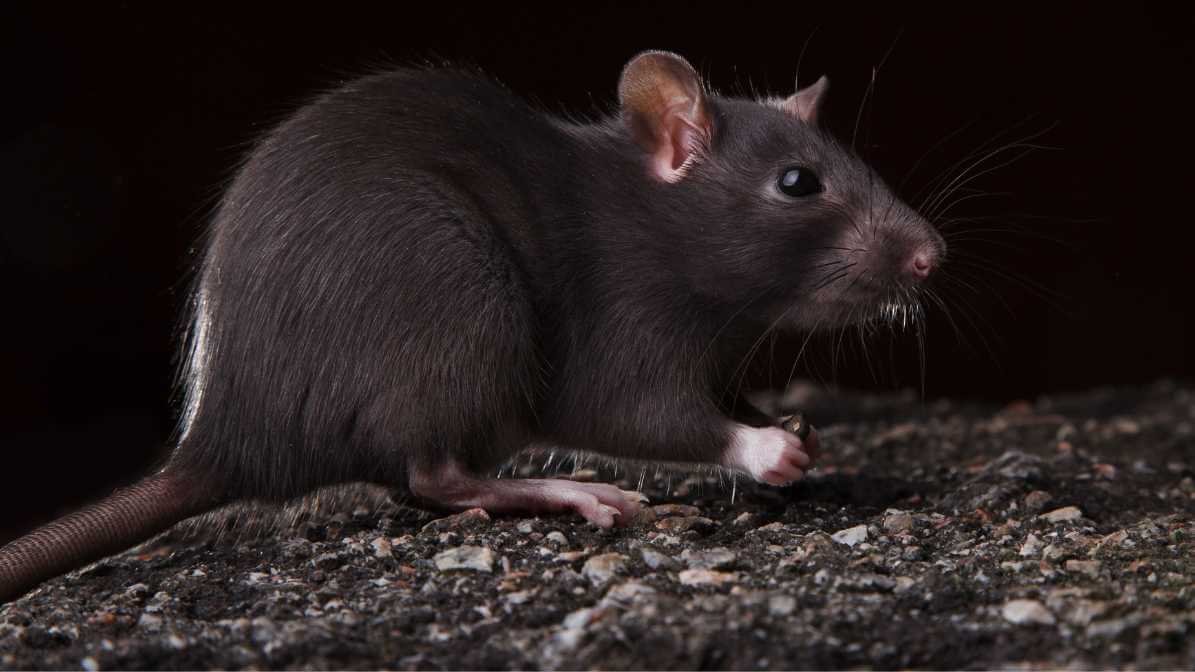
Black Rat
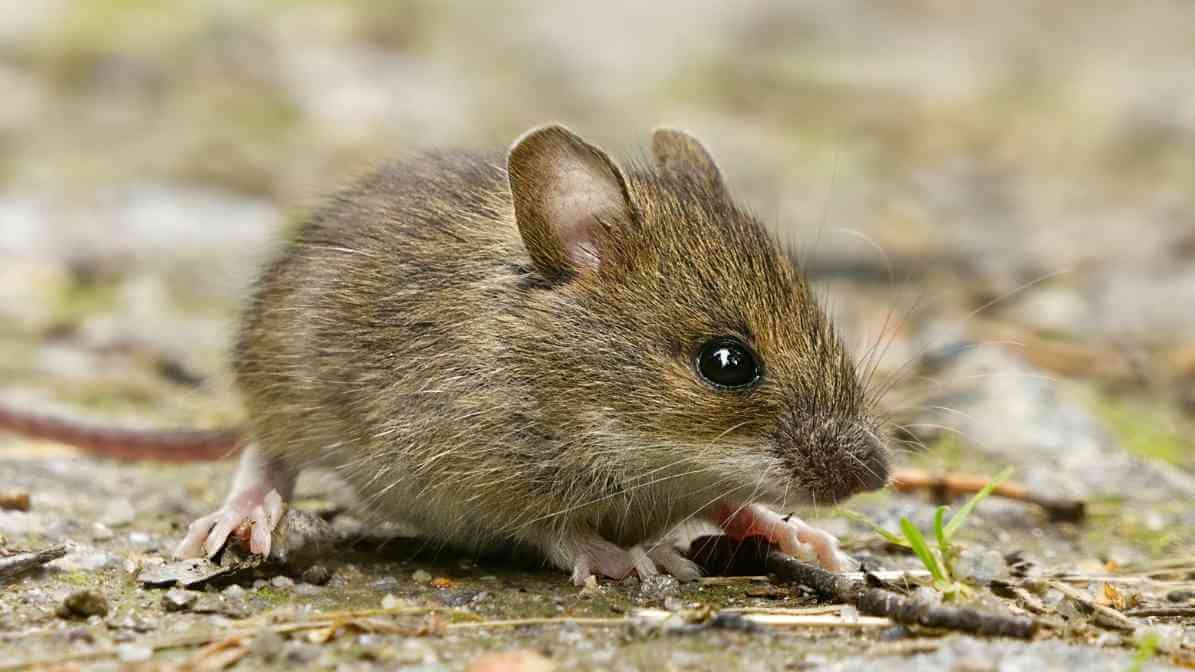
House Mouse
Frequently Asked Questions
What are the most common rodents found in Malaysia?⌄
The three most common rodent species in Malaysia are the Norway rat (Rattus norvegicus), the black rat (Rattus rattus), and the house mouse (Mus musculus). Norway rats are ground-level dwellers found in sewers, drains, and basements. Black rats are roof-dwelling climbers that favour ceiling voids and tree canopies. House mice are the smallest and most adaptable, commonly found nesting inside wall cavities and kitchen areas across residential and commercial premises.
How can I tell if I have a rat or mouse infestation?⌄
Key signs include droppings (Norway rat droppings are 12 to 20 mm long, house mouse droppings are 3 to 6 mm), gnaw marks on food packaging, wiring, and wood, dark grease smear trails along walls and skirting boards, scratching or scurrying sounds from ceilings or wall cavities at night, and shredded nesting material in storage areas. Food contamination and gnawed packaging in kitchen areas are also strong indicators of active infestation.
What diseases can rodents spread in Malaysia?⌄
Rodents in Malaysia are linked to over 50 disease types. The most serious include leptospirosis, which is transmitted through contact with water or surfaces contaminated with rodent urine and is a significant public health concern in Malaysia. Other diseases include hantavirus, salmonella, and rat-bite fever. These diseases can be transmitted through direct contact with rodents, their droppings, urine, or through contaminated food and water supplies.
How quickly can a rodent infestation grow?⌄
Rodent populations can expand extremely rapidly. A Norway rat reaches sexual maturity in 3 months and produces 5 to 6 litters per year, with each litter containing 6 to 12 pups. In Malaysia's warm climate, there is no seasonal breeding pause, meaning populations grow continuously year-round. A single pair of rats can theoretically produce over 1,000 descendants within 12 months under optimal conditions. Early intervention is critical to prevent an established colony from becoming an entrenched infestation.
How do rodents get into homes and buildings?⌄
Rodents can enter buildings through surprisingly small gaps. Norway rats can squeeze through openings as small as 20 mm, and house mice through gaps as small as 6 mm. Common entry points include gaps around pipes and conduits where they pass through walls, damaged roof tiles or fascia boards, unsealed gaps in foundation walls, open drains and sewer connections, and gaps beneath doors without adequate seals. Black rats typically enter through roof lines, using overhanging tree branches to gain access to roof voids.
When should I contact professional rodent control?⌄
You should contact a licensed pest control operator as soon as you identify any sign of rodent activity, including droppings, gnaw marks, scratching sounds, or sightings during daylight hours. Daytime sightings often indicate an already large and established population. Innovative Pest Sdn Bhd is a licensed pest control operator registered with the Pesticides Board Malaysia (Lembaga Racun Perosak), serving Kuala Lumpur, Selangor, and Johor Bahru with targeted rodent control solutions for residential and commercial properties.
Are DIY rodent traps and baits effective for controlling rats in Malaysia?⌄
DIY snap traps and glue boards can reduce small, isolated rodent populations when used correctly. However, they are rarely effective against an established infestation because they do not address the harbourage areas, food sources, or entry points that sustain the colony. Rodenticide baiting in particular requires professional application to comply with Malaysia's Pesticides Act 1974, ensure correct placement, and minimise risks to non-target animals and children. Professional treatment combined with proofing and sanitation advice delivers lasting results.