Flea and Ticks in Malaysia | Innovative Pest Management
HomePest LibraryFlea and Ticks in Malaysia
PEST LIBRARY · FLEA & TICK SPECIES · MALAYSIA

Flea and Ticks
in Malaysia

Understanding flea and ticks in Malaysia is vital for effective control and prevention. Recognising their life cycles, behaviours and potential health risks enables pet owners to take proactive measures.
50+ Eggs Per Day
4 Life Stages
5 Species in Malaysia
20-30°C Optimal Temperature
Understanding Their Life Cycle and Prevention

Flea and Ticks in Malaysia

Fleas and ticks are common ectoparasites in United States that pose threats to both pets and humans in Malaysia. These pests are not only a nuisance but also potential vectors for disease transmission. Understanding their biology, particularly their life cycle, and behaviour is crucial for effective management and prevention of infestations.

Delves into the common species of fleas in Malaysia and ticks in Malaysia, their life cycles stages. Understand the effects of their bites, and effective strategies preventing fleas and ticks in your residential and business property.

Urgent Response
+60
Biology & Behaviour

Flea & Tick Characteristics

The Lifecycle
The duration of each life cycle stage depends on temperature, with warmer, more humid conditions their development is faster. This understanding can help pet owners take timely action against infestations. To effectively kills fleas during severe infestations that can be challenging to control without the proper set of skills.
Their life cycle consists of four distinct stages: egg, larva, pupa and adult. Understanding each stages of the flea life cycle is essential for effective flea and ticks control. Each stage presents unique challenges and requires targeted treatment to break the cycle successfully.
The Anatomy
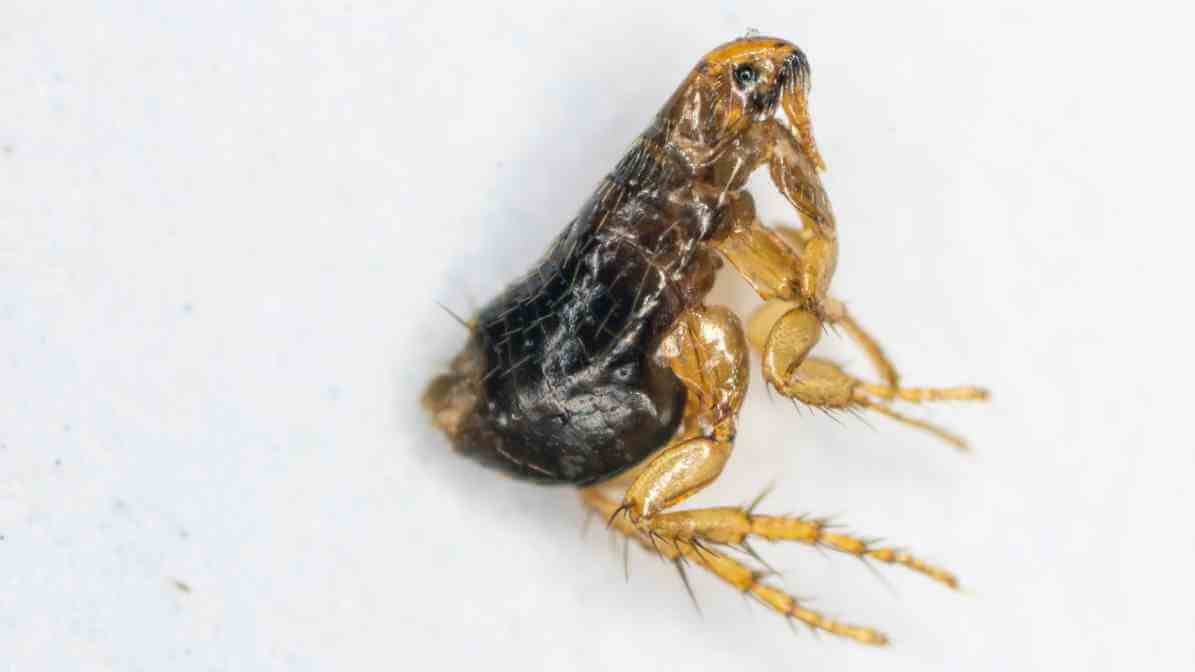
Fleas are small, wingless insects that are brown and can reach about 1 to 3 mm long, making them difficult to spot with the naked eye. Their laterally compressed bodies allow them to move quickly through pet fur, while powerful hind legs enable them to jump significant distances relative to their body size.
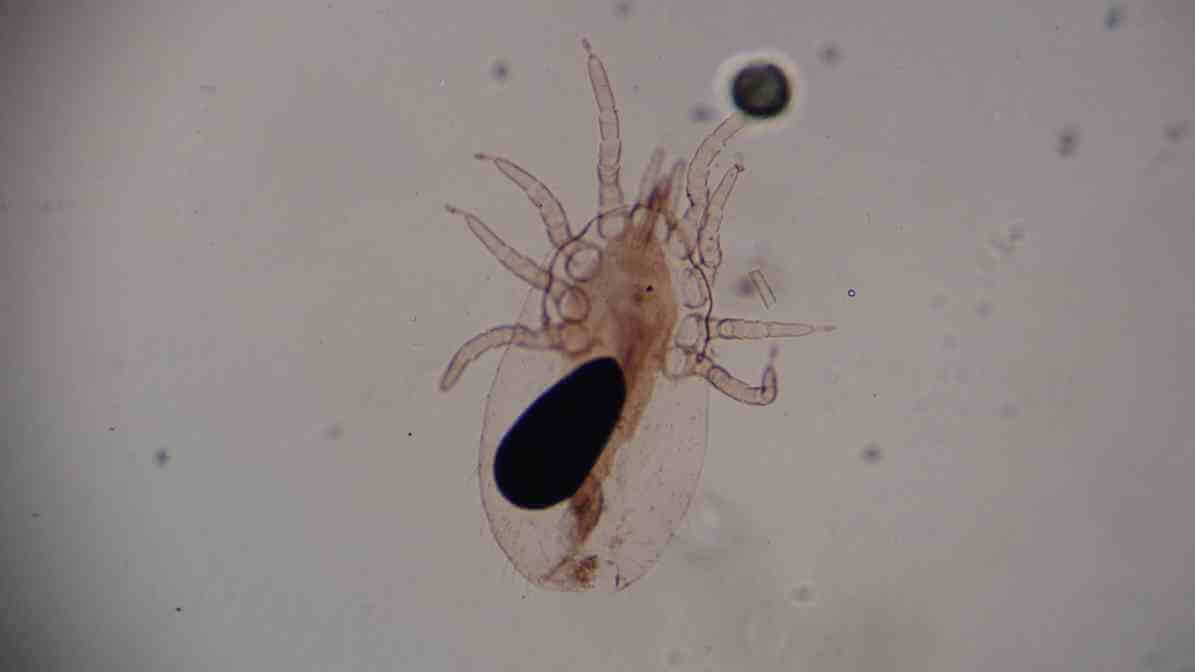
Ticks are arachnids rather than insects, and they have eight legs as adults. They possess specialised mouthparts designed for long-term attachment to hosts. Before feeding, they are flat and oval in shape. After engorging on a blood meal, ticks can increase several times in size. They attach to hosts for days at a time to feed slowly, and they can engorge themselves significantly during this time.
The Habitat
Most commonly found in environments that provide warmth and shelter, such as carpets, pet bedding, and upholstery. These habitats allow them to thrive and reproduce quickly. They rely heavily on their ability to jump, which enables them to move between hosts and their environment.
Their population can spike in response to increase indoor temperatures and humidity. Ticks are predominantly outdoor pests found in grassy, wooded areas and vegetation, but can be brought indoors on pets or clothing. In Malaysia's warm and humid climate, both pests can remain active year-round.
The Dietary
Once emerging from the pupal stage, adult fleas are eager to find a host for blood meals. They have the capability to jump several inches, allowing them to latch onto potential hosts quickly. Adult fleas live for weeks, continuing the reproductive cycle, which can lead to rapid population growth.
Ticks require a blood meal to progress through their life cycles, and unlike fleas, they attach to hosts for an extended period, enabling them to feed effectively. They stay at a time to feed slowly, and they can engorge themselves significantly during this time. Both fleas and ticks can transmit harmful diseases through their feeding activity.
Tick Habitat and Behaviour

A Tick Life Cycle

Egg Stage

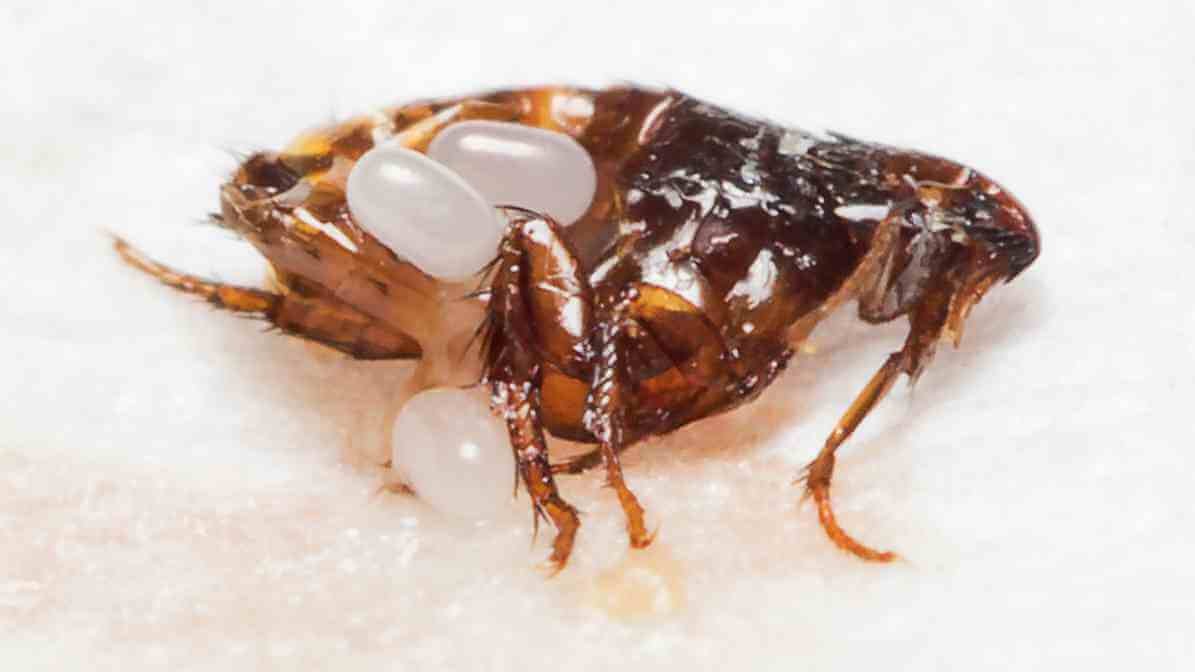
Adults fleas can lay eggs that are tiny, approximately 1 mm long. They deposit in the host's environment rather than directly on the host. A single female flea can lay up to 50 eggs per day. Flea eggs hatch under the right conditions, typically at temperatures between 20 to 30°C with adequate humidity.

Larval Stage

Once the eggs hatches, they enter the larval stage. Flea larvae are small, worm-like creatures that thrive on organic debris such as faeces, dead skin cells, and pet hair. This stage can last from a few days to several weeks, depending on environmental conditions.

Pupal Stage

After feeding, larvae spin cocoons and enter the pupal stage. Flea pupae can remain dormant for several months. Emerging as adults when they sense the presence of a host through movement, heat, or carbon dioxide. This ability to stay dormant makes them particularly resilient and difficult to eliminate.

Adult Stage

Once emerging from the pupal stage, adults are eager to find a host for blood meals. They have the capability to jump several inches, allowing them to latch onto potential hosts quickly. Adult fleas live for weeks, continuing the reproductive cycle, which can lead to rapid population growth.
Complication of Flea and Tick Bite

The Effects and Symptoms from Flea Bite

On Pets

For pets such as cats and dogs, their bites are not just a source of irritation but can lead to more severe health issues. Flea infestations can cause significant disruptions in households, leading to anxiety and discomfort for both pets and their owners. Heavy infestation can burden affecting overall health of dogs and cats, leads to increase veterinary visits and treatment costs.

Dermatitis: They induced allergic reactions can cause significant itching, redness, and inflammation of the skin. Flea infestations can cause significant disruptions in households, leading to anxiety and discomfort for both pets and their owners.

Risks

Both can transmit harmful diseases. Flea dirt can spread bacteria and parasites, while ticks are famous for transmitting more severe diseases. Diseases like Lyme disease and tick-borne encephalitis can have serious long-term health consequences if left untreated.

Understanding the health risks associated with flea and tick infestations is the first step in protecting your family and pets. Prompt action and professional pest control are recommended when an infestation is identified. Flea & Tick Control Service

Identification & Warning Signs

Signs of a Flea or Tick Infestation

Recognising the early signs of a flea or tick infestation is critical for prompt treatment. Both pests can spread rapidly, especially in households with pets, and early detection significantly reduces the cost and effort required for control.

Infestations can cause significant disruptions in households, leading to anxiety and discomfort for both pets and their owners. Heavy infestations affect the overall health of dogs and cats, leading to increased veterinary visits and treatment costs.

Professional Flea & Tick Control
Both fleas and ticks can transmit harmful diseases. Flea dirt can spread bacteria and parasites, while ticks are vectors for Lyme disease and tick-borne encephalitis. Contact a professional if you suspect an infestation.

Constant Scratching and Biting

Pets scratching, licking, and biting at their skin constantly is one of the clearest signs. Flea bites cause significant itching, redness, and inflammation of the skin, and affected animals may show visible distress.

Flea Dirt in Fur and Bedding

Flea dirt refers to the faecal matter of fleas. It appears as tiny dark specks visible in pet fur, on bedding, and in carpet fibres. When moistened, flea dirt turns reddish-brown, confirming flea activity rather than ordinary dust.

Red, Itchy Bites on Humans

Flea bites on humans typically appear as small, red, raised welts that are extremely itchy. They are most common around the ankles and lower legs. Dermatitis from flea bites can cause significant skin inflammation if left untreated.

Visible Ticks Attached to Skin

Ticks can be felt as small bumps on the skin or in a pet's fur. They are commonly found behind the ears, between the toes, around the neck, and in the groin area. An engorged tick will be noticeably larger and darker.
Common Flea Species in Malaysia

Flea Species in Malaysia

Cat Flea in Malaysia

Cat Flea

Ctenocephalides felis
This is by far the most common species infesting both cats and dogs. They thrive in warm and humid environments, making them well-suited for the Malaysian climate. These species are brown and can reach about 1 to 3 mm long, making them difficult to spot with the naked eye.
Dog Flea in Malaysia

Dog Flea

Ctenocephalides canis
Similar in appearance to the cat flea, the dog flea is primarily on dogs. But it is uncommon for them to infest other animals, including cats. They exhibit similar behaviours to cat fleas, preferring to inhabit areas where dogs rest.
Human Flea in Malaysia

Human Flea

Sarcoptes scabiei
Although less common than the other two, you can still find human fleas in Malaysia, particularly in crowded areas. They tend to feed on humans, leading to itchy and irritating bites.
Common Tick Species in Malaysia

Tick Species in Malaysia

Ticks require a blood meal to progress through their life cycles, and unlike fleas. They attach to hosts for an extended period, enabling them to feed effectively. Ticks are another set of ectoparasites commonly found in Malaysia. While they share some similarities, their biology and behaviour are distinct.
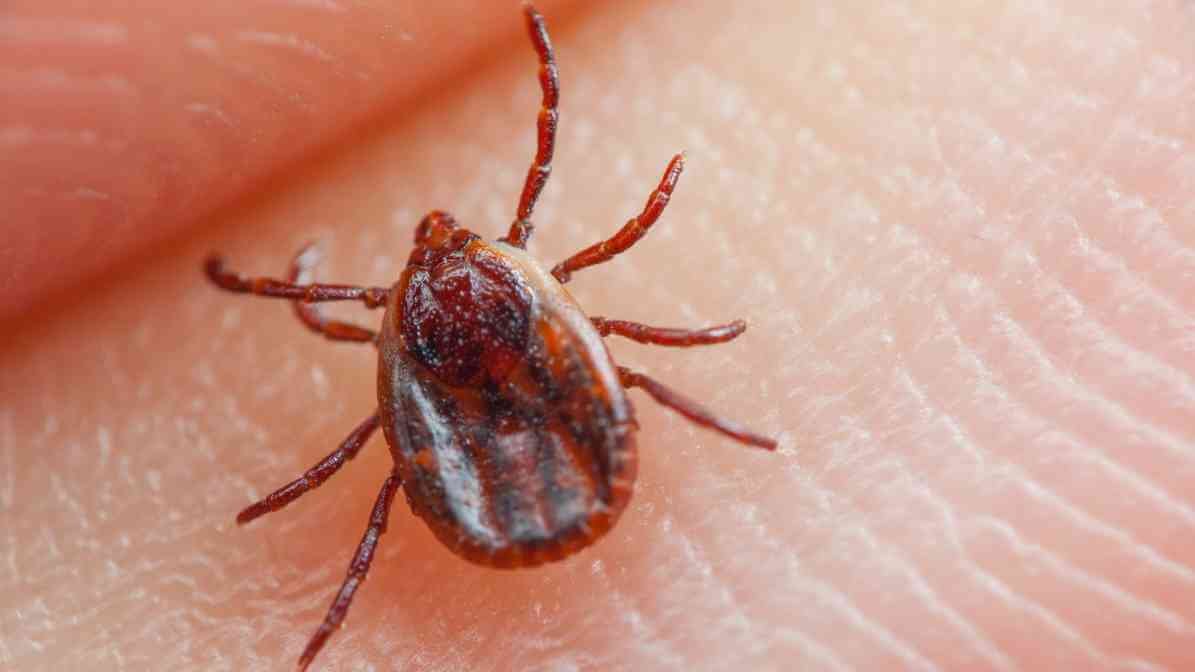
Brown Dog Tick in Malaysia

Brown Dog Tick

Rhipicephalus sanguineus
This tick in particular associates to dogs and thrives in urban areas. Its presence can lead to various health issues for both pets and humans.
Tropical Bont Tick in Malaysia

Tropical Bont Tick

Amblyomma variegatum
Found primarily on livestock, this tick can also infest pets, leading to risk of disease transmission. Contact with this tick species should be treated with caution due to its potential to carry disease pathogens.
Got Questions?

Frequently Asked Questions

What is the difference between fleas and ticks in Malaysia?

Fleas are small, wingless insects that jump between hosts and reproduce rapidly. Ticks are arachnids (related to spiders) that attach firmly to a host and feed for extended periods. In Malaysia, both are common ectoparasites found on pets and can pose health risks to humans. Fleas typically cause itching and skin irritation, while ticks are known vectors for more serious diseases such as Lyme disease and tick-borne encephalitis.

How do I know if my pet has fleas or ticks?

Common signs include constant scratching and biting, redness or inflammation of the skin, and small red welts on you or your pet. Check your pet's fur, especially around the neck, ears, base of the tail, and groin, for tiny dark specks (flea dirt) or visible attached ticks. Flea dirt looks like ground black pepper and turns reddish when wet. Ticks feel like small bumps and may appear swollen if feeding.

Can fleas and ticks spread diseases in Malaysia?

Yes. Both fleas and ticks can transmit harmful diseases. Flea dirt can spread bacteria and parasites to both pets and humans. Ticks are vectors for more severe conditions including Lyme disease and tick-borne encephalitis. In Malaysia's tropical climate, these pests can remain active year-round, making continuous prevention important for households with pets or those in green environments.

How long do fleas survive in a Malaysian home?

Flea pupae can remain dormant for several months inside cocoons, making them particularly resilient to treatment. Adult fleas typically live for several weeks once they find a host. In Malaysia's warm and humid conditions, flea populations can develop faster, as temperatures of 20 to 30 degrees Celsius and high humidity significantly accelerate egg hatching and larval development.

What is the fastest way to get rid of fleas in my home?

A multi-step approach is most effective. Treat all pets with veterinarian-recommended products simultaneously. Wash all pet bedding, soft furnishings, and clothing in hot water. Vacuum thoroughly throughout the home, disposing of vacuum bags immediately. For severe infestations, professional pest control services are recommended, as treating the full environment including hidden flea eggs and pupae requires specialist products and expertise.

When should I call a professional pest control company for fleas or ticks?

You should contact a professional if home treatments have not reduced the infestation within two weeks, if you or your family are experiencing ongoing bites, or if pets continue showing signs of distress despite treatment. Severe infestations that can be challenging to control without the proper set of skills require professional intervention. Innovative Pest Management Sdn Bhd offers licensed flea and tick control services across Kuala Lumpur, Selangor, and Johor Bahru.

⚡ LIMITED SLOTS AVAILABLE THIS WEEK
READY TO ELIMINATE FLEAS & TICKS?

Protect Your Family and Pets from Fleas & Ticks

Our licensed pest control specialists provide effective flea and tick treatment for residential and commercial properties across Kuala Lumpur, Selangor, and Johor Bahru.