The Flies in Malaysia | Lalat
Understanding Flies (Lalat) in Malaysia
Flies are a prominent part of the ecosystem in Malaysia, contributing to various ecological processes that sustain life. Despite their reputation as nuisances, they perform critical roles -- from pollinating plants to decomposing organic matter.
With over 120,000 species globally, the diversity is immense, with many species residing in Malaysia's rich tropical environment. The common house fly, blow fly, and flesh flies are just a few examples of the numerous species found here.
Flies are carriers of harmful diseases such as salmonella, malaria, and tuberculosis, because of their unsanitary habits in decaying organic matter. While most species do not bite, they can transfer more than 100 different types of pathogens, feeding in unhygienic locations and contaminating food through their legs and mouths.
The key to effectively managing flies lies in maintaining cleanliness, utilizing traps and repellents, and staying informed about the fly species prevalent in Malaysia. For professional Flies Control Malaysia tailored to your property, contact our licensed team today.
Characteristics, Biology and Behaviour of Flies
The fly life cycle consists of four primary stages: egg, larva (maggot), pupa, and adult fly. Each stage varies in duration, but together they form a rapid reproductive process that can lead to large numbers of flies if not controlled.
Fly eggs hatch within 20 to 24 hours. During the larval stage, fly maggots eat waste, rot, and organic matter. Leaving the larval stage, they enter a pupal stage where their skin toughens like a cocoon.
Common adult house flies can complete their life cycle in as little as 7 to 10 days under optimal conditions. Male flies can live for 15 days and female adult flies for 25 days. When food and moisture is accessible, they can thrive for more than 3 weeks and multiply in great numbers if not controlled.
In Malaysia's warm and humid tropical climate, flies reproduce year-round, making ongoing prevention and monitoring essential for homes, food premises, and commercial properties.
Flies belong to the order Diptera, meaning "two wings", which includes a diverse array of insect orders featuring different species. Unlike most insects, flies have only one pair of functional wings; the hind wings are reduced to small club-shaped structures called halteres, which function as gyroscopic balancing organs during flight.
Their compound eyes provide nearly 360-degree vision, making them highly aware of movement and difficult to catch. A fly's mouthparts are adapted for feeding on liquids -- they use a proboscis to sponge up food, often regurgitating digestive fluids to liquefy solid food before ingesting it.
Flies have six legs covered in tiny hairs and adhesive pads that allow them to walk on vertical and inverted surfaces. These same legs pick up and transfer pathogens from contaminated surfaces to food and food preparation areas, making them a significant hygiene concern in Malaysian kitchens and food service environments.
Malaysia's warm and humid climate creates an ideal habitat for a wide variety of fly species. Each plays a specific role in the ecosystem, impacting food systems, human health, and waste management. Flies can regularly be found in homes and businesses across Malaysia, with some species more common than others and attracted to different environments suited to their natural habits and lifecycle.
House flies thrive in places where food waste is present, such as homes, markets, and garbage dumps. Fruit flies are commonly found near overripe or fermenting fruits, vegetables, and unclean drains. Drain flies and moth flies breed in the organic sludge that accumulates in sewage systems, drainage channels, and stagnant water areas.
Bluebottle flies and flesh flies are typically found around decaying meat, dead animals, and open waste bins. Phorid flies prefer moist decaying organic matter and are often found in soil, drains, and areas with poor sanitation. Sand flies inhabit sandy riverbanks, limestone caves, and open areas near water, while horse flies are common near livestock areas and waterways. Understanding where different species breed is essential for targeted and effective fly control in Malaysian properties.
Flies are attracted to all types of food, including human food, pet food, animal feed, food waste, and even faeces. Their indiscriminate feeding habits are the primary reason they are such effective vectors of disease, as they move freely between contaminated sources and human food.
During the larval stage, fly maggots feed on waste, rot, and organic matter, breaking down decaying material. Adult flies feed primarily on liquids, though they can liquefy solid food by regurgitating digestive enzymes onto it before sponging it up with their proboscis.
Some species have specific dietary preferences. Fruit flies are attracted to fermenting fruit and vegetables, making them a common problem in kitchens and fruit storage areas. Bluebottle flies and flesh flies are drawn to protein-rich sources such as meat and animal remains. Moth flies and drain flies feed on the microorganisms living in the organic biofilm that builds up inside drains and sewage pipes. Sand flies and horse flies require blood meals, with female horse flies inflicting a painful bite on mammals including humans.
The Life Cycle of Flies
Flies undergo complete metamorphosis, passing through four distinct stages. Under Malaysia's warm tropical conditions, this cycle can be completed in as little as 7 to 10 days, enabling rapid population growth when conditions are favourable.
Stage 1: Egg
Stage 2: Larva (Maggot)
Stage 3: Pupa
Stage 4: Adult Fly
Impact on Health and Environment
Understanding how flies behave and interact with their environment is the first step to effective, long-term fly management in Malaysian homes and businesses.
Flies carry and transmit various pathogens, contaminating food supplies and causing diseases. They feed on waste and decaying matter, picking up bacteria and viruses that cause gastrointestinal illnesses in humans. Flies can affect human health when present in high numbers -- their dead bodies may disintegrate to form potential allergens causing allergic reactions, and when in large numbers they may land on people or fall into food, causing direct contamination.
The outer surfaces of flies, especially their legs, are efficient routes for transferring bacteria from surface to surface. Flies' bodies are covered in fine sensory bristles which pick up bacteria and contaminants from their surroundings. These bristles can easily collect and harbour faecal matter, which is then transferred to food and surfaces when the fly lands. Flies spread diseases like E. coli and Salmonella, making effective fly control essential to maintain a safe and hygienic environment. They can transmit more than 65 infectious diseases to humans and can carry more than 100 species of pathogens.
Flies also play a role in decomposing organic matter across the urban environment. Blow flies, flesh flies, and bluebottle flies accelerate the breakdown of animal remains and organic waste. While this serves an ecological function in natural environments, in urban Malaysia it creates health risks -- particularly around wet markets, garbage collection points, food premises, and residential waste areas where fly populations can establish rapidly.
Signs of a Fly Infestation
Flies can rapidly establish infestations in Malaysian properties, particularly in food preparation areas, restaurants, and homes near waste disposal sites. Identifying the early warning signs allows for prompt intervention before numbers grow out of control.
Routine visual checks in kitchens, drains, waste areas, and overhead structures are the most reliable way to catch an infestation early. Professional fly control is recommended when signs are persistent or widespread.
Flies Pest LibraryLarge Numbers of Adult Flies
Dark Spot Clusters (Fly Droppings)
Maggots (Fly Larvae)
Flies Around Drains and Sinks
Common Fly Species in Malaysia
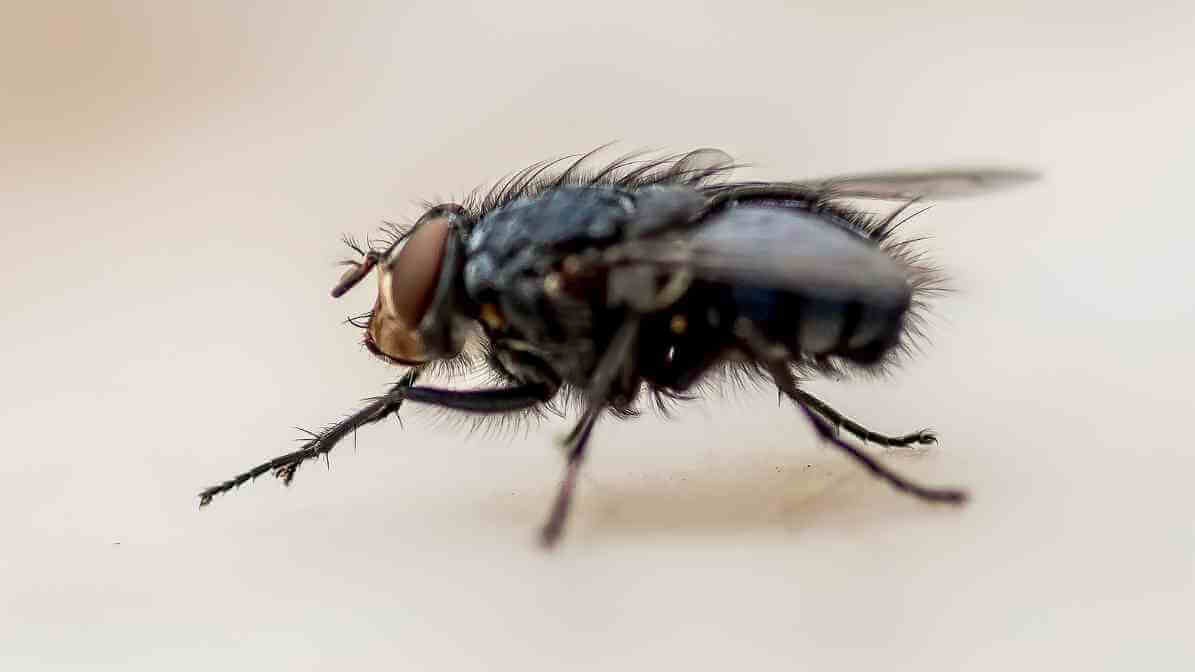
House Fly
Musca domestica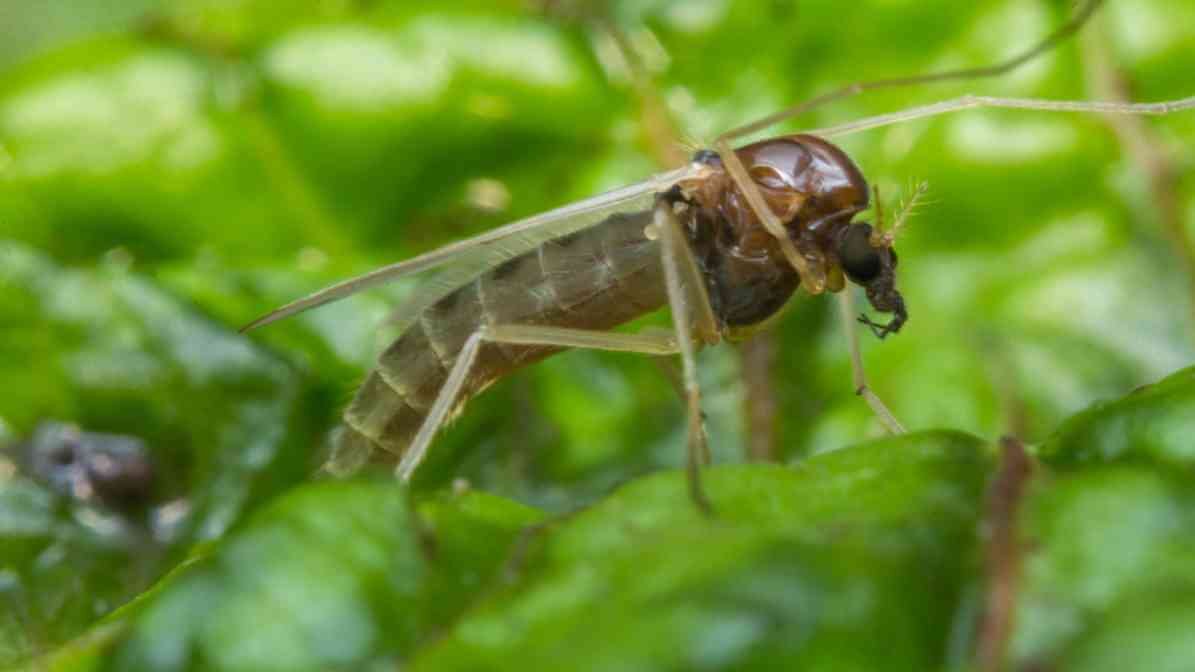
Sand Fly
Phlebotominae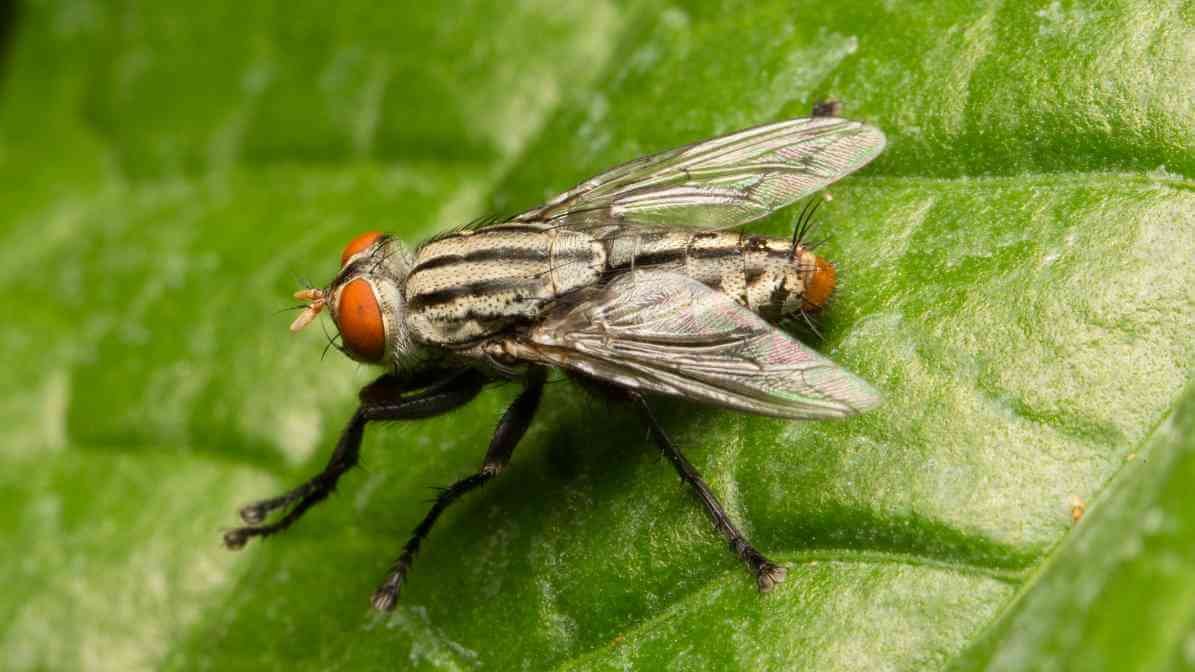
Flesh Fly
Sarcophaga spp.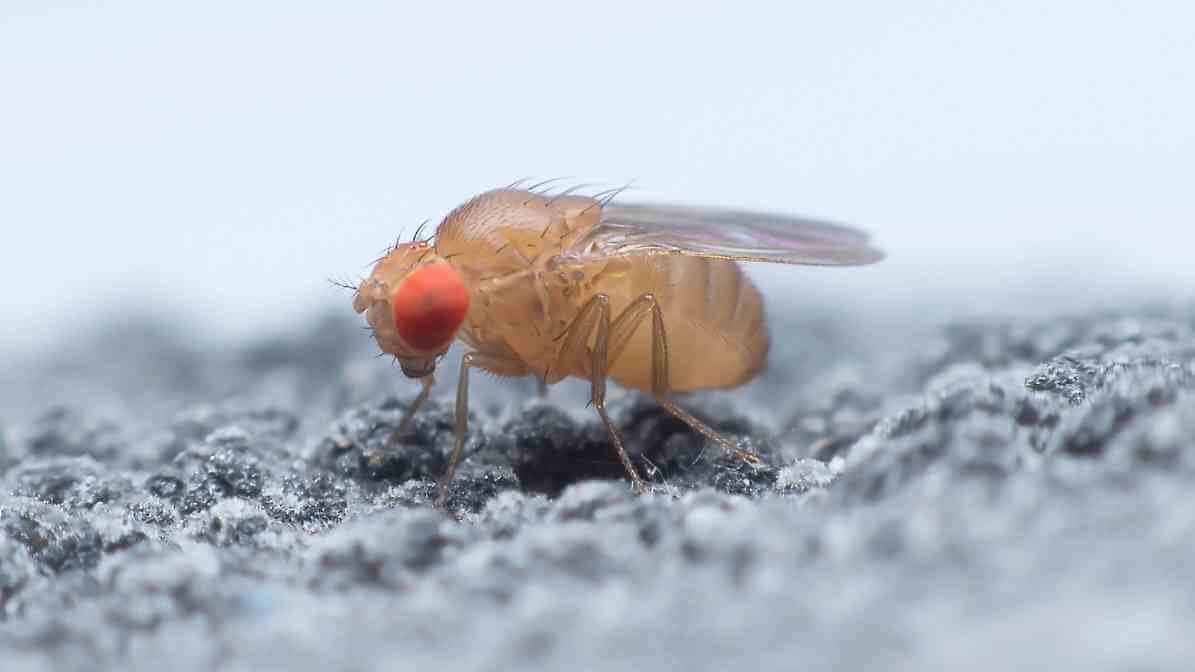
Fruit Fly
Drosophila melanogaster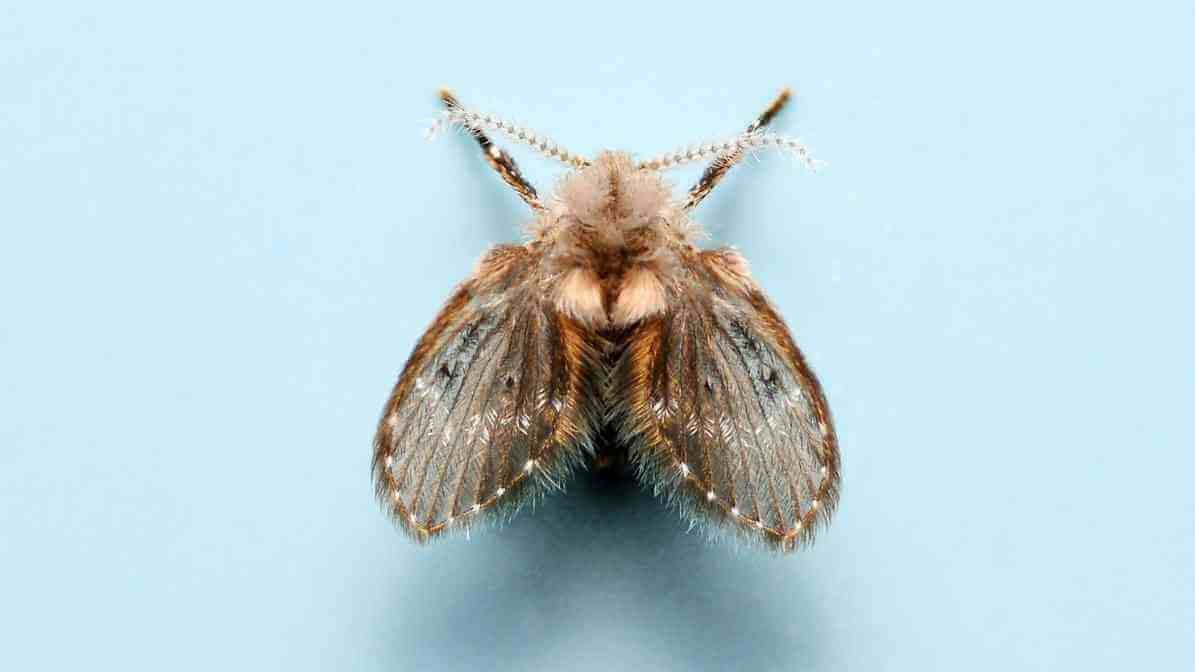
Drain Fly
Psychoda spp.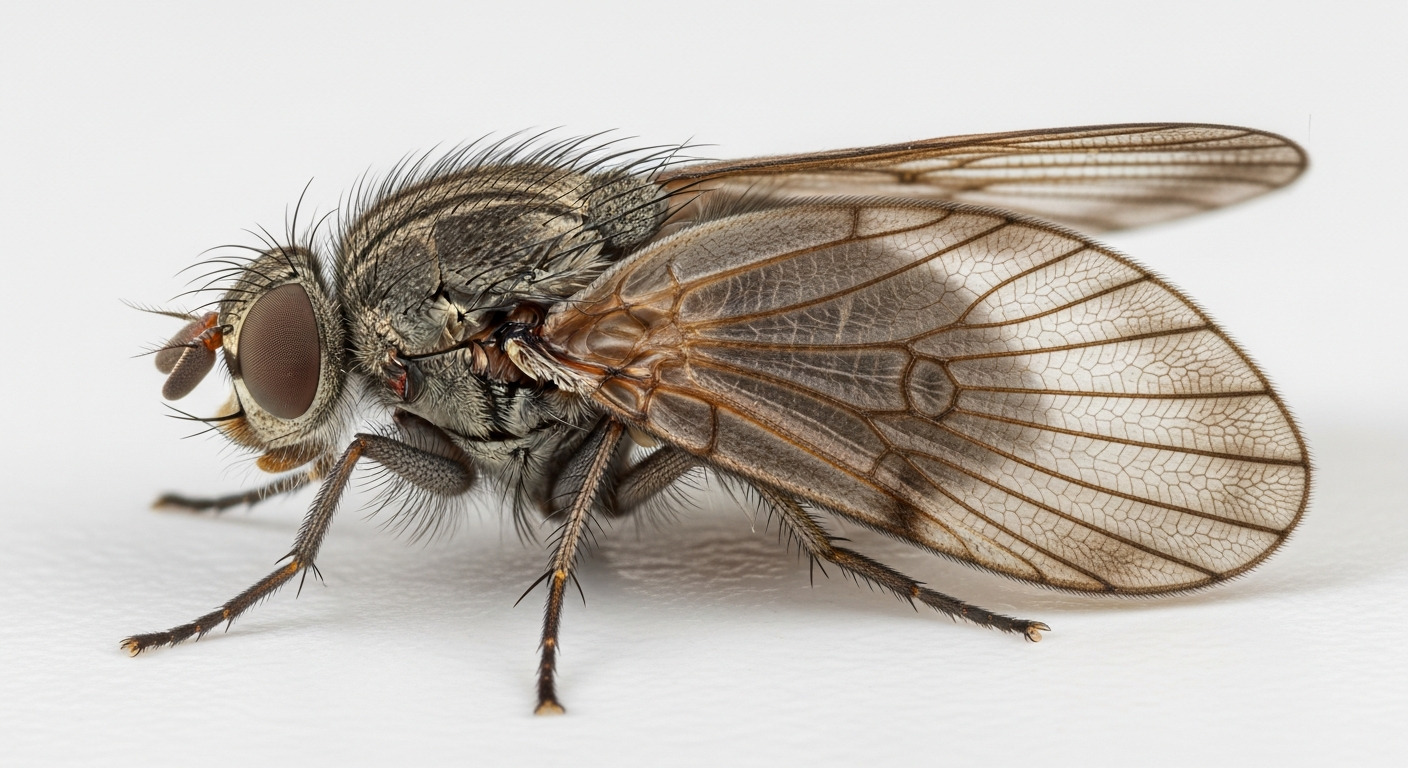
Moth Fly
Clogmia albipunctata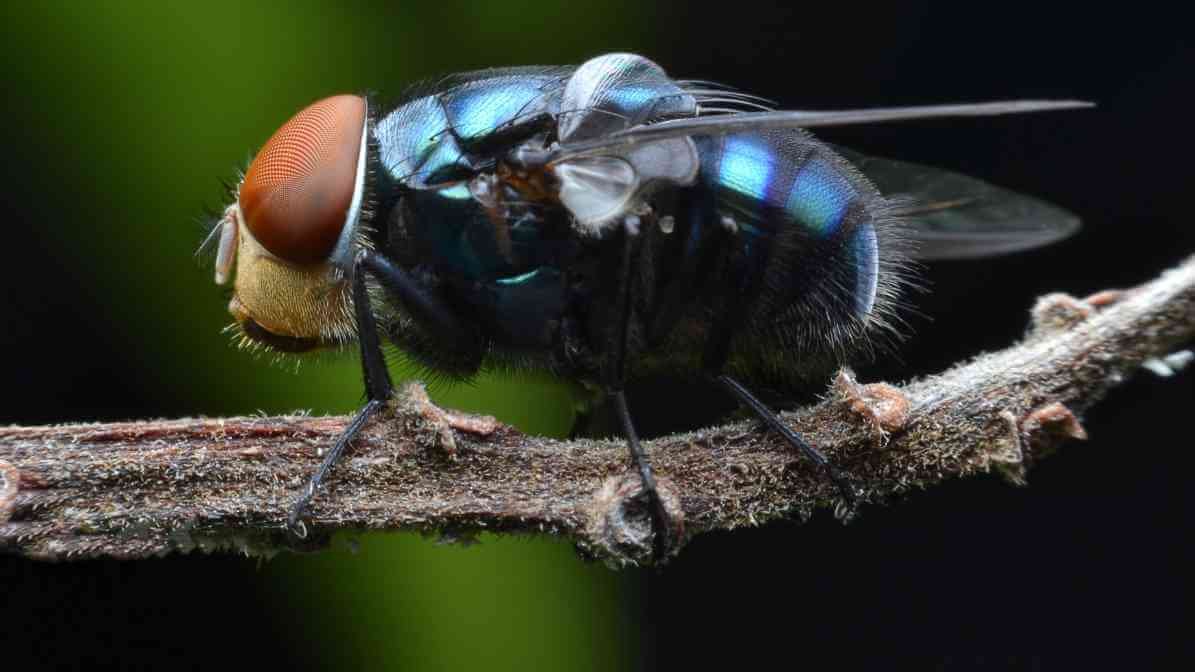
Bluebottle Fly
Calliphora vomitoria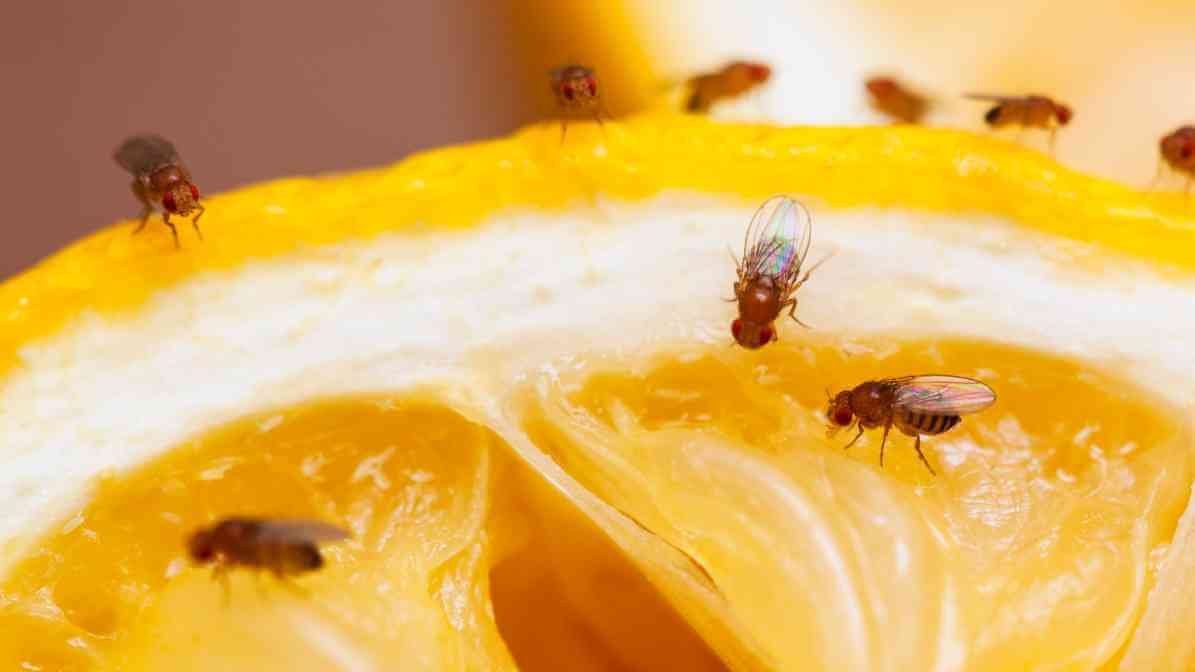
Humpbacked Fly (Phorid Fly)
Megaselia scalaris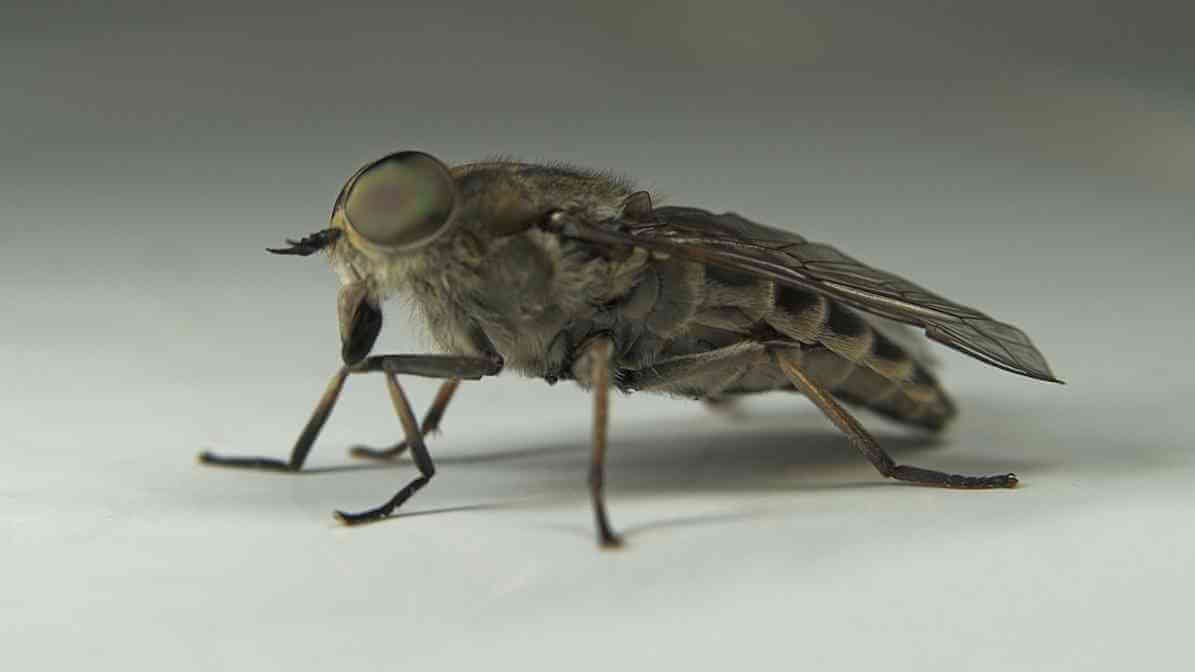
Horse Fly
Tabanus spp.Frequently Asked Questions
How long does a fly live?⌄
Male flies can live for 15 days and female adult flies for 25 days. When food and moisture is accessible, they can thrive for more than 3 weeks and multiply in great numbers if not controlled. Common adult house flies can complete their entire life cycle in as little as 7 to 10 days under optimal conditions, enabling rapid population growth in warm Malaysian environments.
What diseases can flies spread?⌄
Flies are carriers of harmful diseases such as salmonella, malaria, and tuberculosis, because of their unsanitary habits in decaying organic matter. While most species do not bite, they can transfer more than 100 different types of pathogens and can transmit more than 65 infectious diseases to humans. They feed in unhygienic locations and contaminate food through their legs and mouthparts.
Why are there so many flies in my home or restaurant?⌄
Flies are attracted to food waste, overripe or fermenting fruits, damp drains, pet faeces, uncovered garbage bins, and decaying organic matter. In Malaysia's warm and humid climate, fly populations can establish quickly wherever these food sources are available. Restaurants, wet markets, and residential properties with poor waste management are particularly susceptible to fly infestations year-round.
How do flies breed so quickly?⌄
The fly life cycle consists of four stages: egg, larva (maggot), pupa, and adult fly. Fly eggs hatch within 20 to 24 hours. In Malaysia's moist and warm environment, the pupal phase tends to be shorter, leading to faster reproduction cycles. A single female can produce 500 to 1,000 eggs over her lifespan, and under ideal conditions a new generation can emerge in as little as 7 days.
What is the most effective way to control flies in Malaysia?⌄
The key to effectively managing flies lies in maintaining cleanliness, utilising traps and repellents, and staying informed about the fly species prevalent in Malaysia. UV light fly traps use zero pesticides -- the UV light attracts flying insects, which are then either trapped on an adhesive glue board or zapped and caught in a pan. The most effective way to keep flies out of your property is by keeping doors closed and installing window screens, which prevents flies from entering and significantly reduces their numbers.
Are there natural remedies to keep flies away?⌄
Planting herbs and flowers like basil, marigold, lavender, and bay leaves can act as natural fly repellents. Mixing water and ginger powder into a spray and spritzing it around your home can also act as a natural deterrent. However, for established infestations or commercial premises in Malaysia, professional fly control treatment by a licensed pest control operator is recommended for lasting results.
What types of flies are most common in Malaysian homes and restaurants?⌄
The main pest fly species found in Malaysian homes and businesses include house flies, bluebottle flies, drain flies, fruit flies, and moth flies. House flies are the most common and are found wherever food waste is present. Fruit flies are prevalent in kitchens and fruit storage areas, while drain flies and moth flies are typically found near sinks, drains, and areas with organic buildup. Bluebottle flies and flesh flies are associated with decaying organic matter and are more common around waste disposal areas and wet markets. Sand flies and horse flies are found in outdoor environments near water, riverbanks, and areas with livestock.
When should I call a professional fly control company in Malaysia?⌄
You should contact a professional pest control company when you notice persistent fly activity despite cleaning measures, when maggots are found on your property, or when fly numbers are large enough to affect the comfort or hygiene of your home or business. Innovative Pest Management Sdn Bhd is a licensed pest control operator registered with the Pesticides Board Malaysia (LRP), serving Kuala Lumpur, Selangor, and Johor Bahru with professional fly control solutions tailored to your property type.
Stop Fly Infestations at the Source
Our licensed team uses proven fly control methods tailored to your property type across Kuala Lumpur, Selangor, and Johor Bahru. Get lasting protection from flies with Innovative Pest Management Sdn Bhd.