Importance of Bees Species in Malaysia
Bees in Malaysia
Bees are essential contributors to our ecosystems and belong to the order Hymenoptera, playing a significant role in pollination and maintaining biodiversity. Their activities facilitate the reproduction of many flowering plants, including crops that humans rely on for food. Bees primarily depend on nectar and pollen from pollinated flowering plants for survival.
In Malaysia, a country rich in biodiversity, diverse bee species thrive in various ecosystems, each contributing uniquely to the environment. Exploring the significance of these species, their variety across Malaysia highlights their ecological roles, life cycles, and the challenges they face coexisting in urban living.
If you are dealing with a bee infestation at your home or business premises, our bees control services are available across Kuala Lumpur, Selangor and Johor Bahru.
Overview of Bees
Foraging Behaviour and Pollination
Bees are known for collecting pollen and nectar from flowers. This behaviour not only provides essential food resources but also plays a crucial role in plant reproduction. When bees visit flowers, they transfer pollen from the male parts (anthers) to the female parts (stigmas), facilitating fertilisation. The flowers they visit vary by species.
Honey bees and stingless bees frequently visit a wide range of flowering plants, including fruit trees, wildflowers, and agricultural crops. Their ability to effectively pollinate plants significantly enhances fruit and seed production, making them indispensable partners in agriculture and natural ecosystems. In Malaysia, the diverse array of flowering plants provides ample foraging opportunities for various bee species.

Challenges & Conservation
Habitat Loss
Pesticide Use
Climate Change
Diseases and Parasites
Creating Their Habitats
Reducing Pesticide Use
Promoting Awareness
Research and Monitoring
Signs of a Bee Infestation
Bees are beneficial insects, but when they establish colonies inside or directly on a property, they can pose safety risks, cause structural damage, and disrupt daily activities. Early identification allows for prompt, safe and effective management.
Carpenter bees, in particular, are known to bore into wooden structures, causing long-term damage to eaves, decking, and roof timbers. Honey bee colonies, once established inside wall cavities, can create significant problems if left unmanaged. Contact our team if you observe any of the following warning signs.
View our bees control serviceVisible Colony or Nest Structure
High Bee Traffic Near Entry Points
Structural Boring Damage
Buzzing Sounds Within Walls
Honey Staining or Wax Seepage
Bee Species in Malaysia
Malaysia is home to a remarkable diversity of bee species, thanks to its tropical climate and rich flora. These diverse species significantly contribute to pollination, biodiversity, and the overall health of ecosystems.
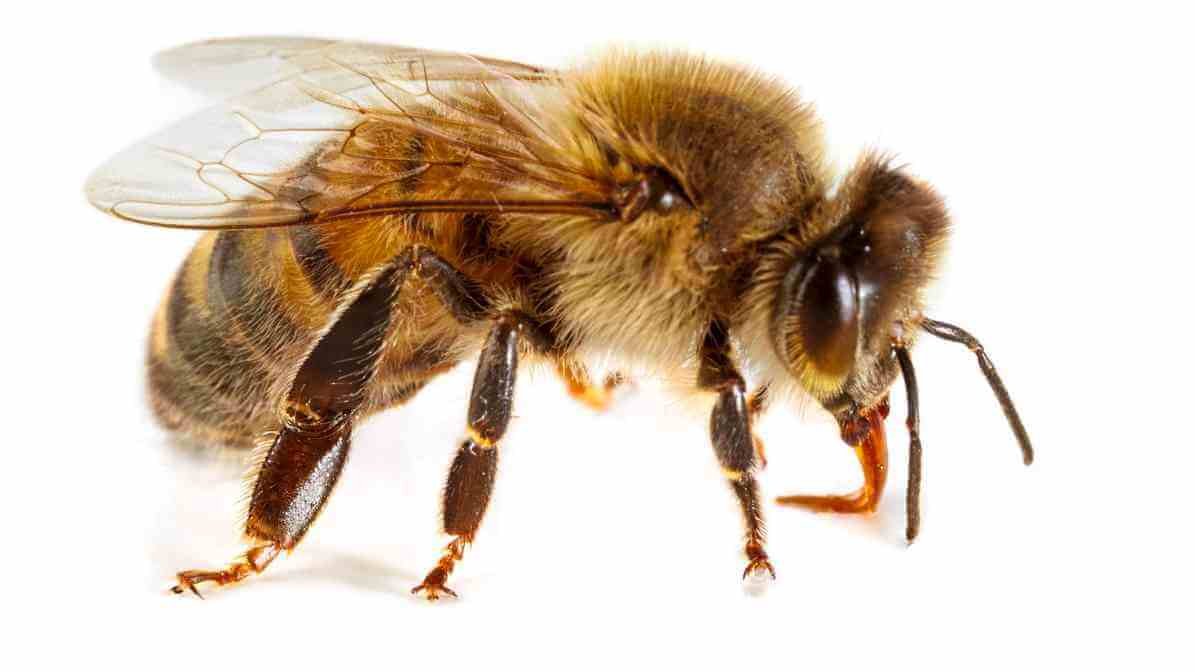
Honey Bee
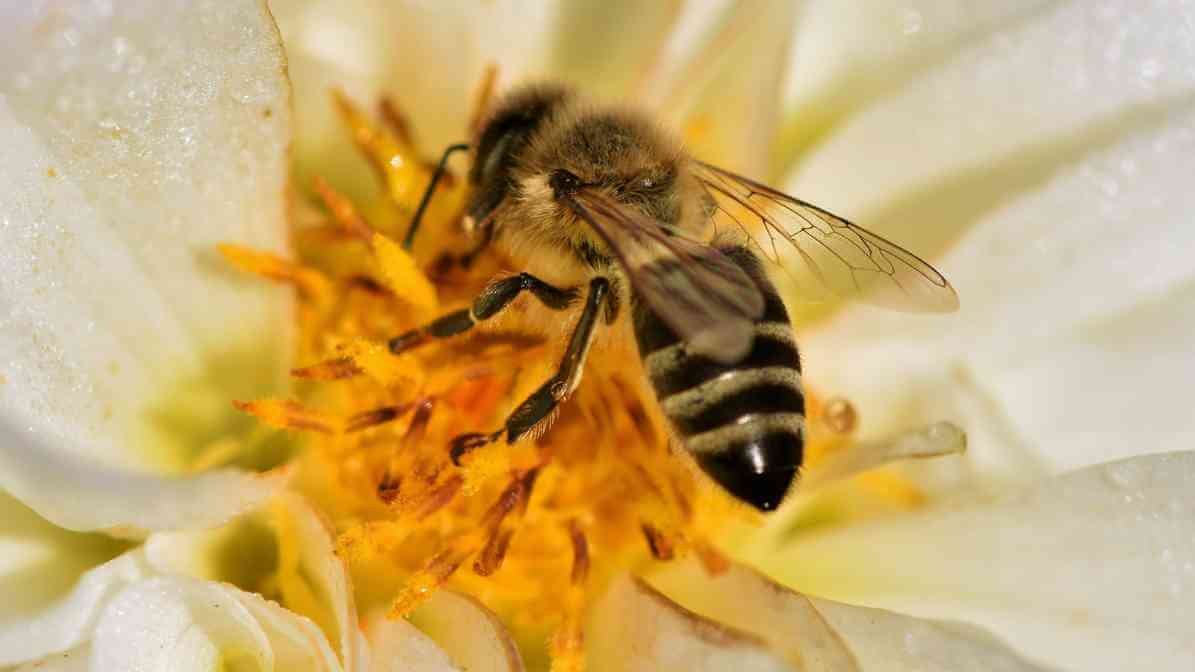
Stingless Bee
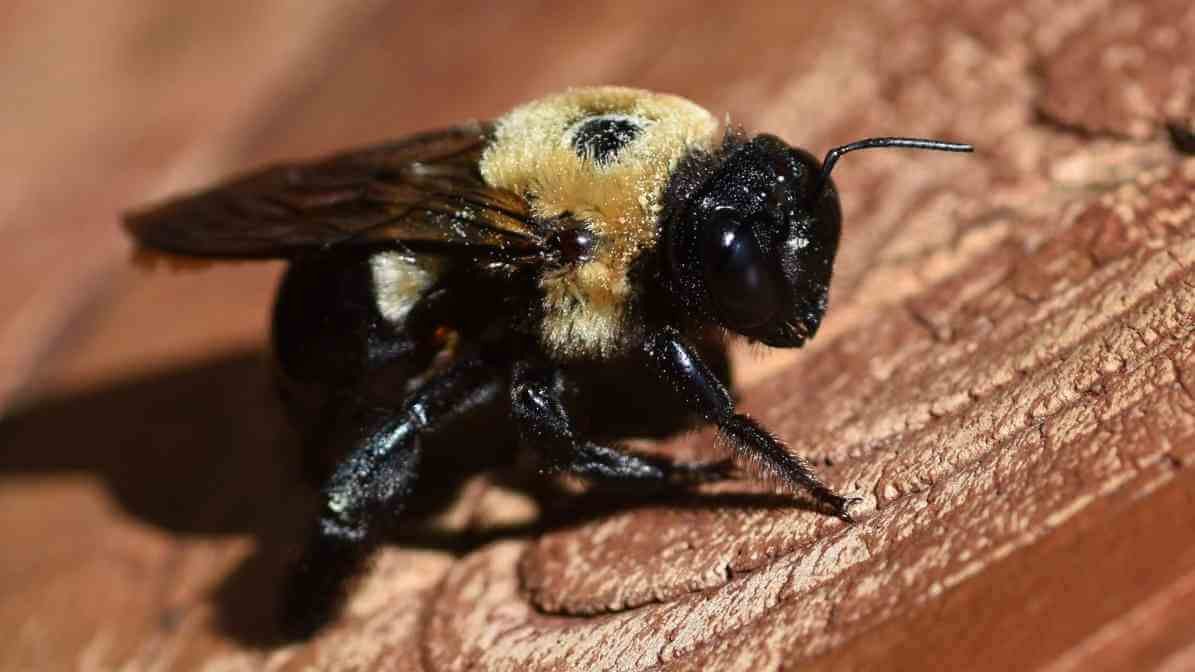
Carpenter Bee
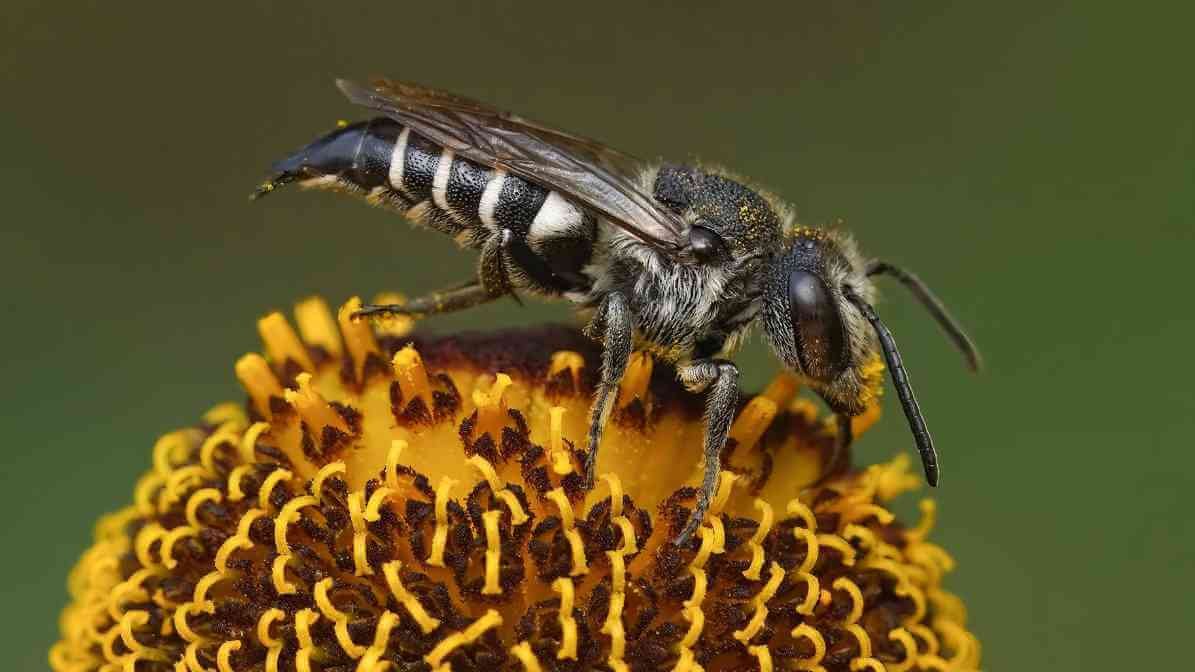
Cuckoo Bee
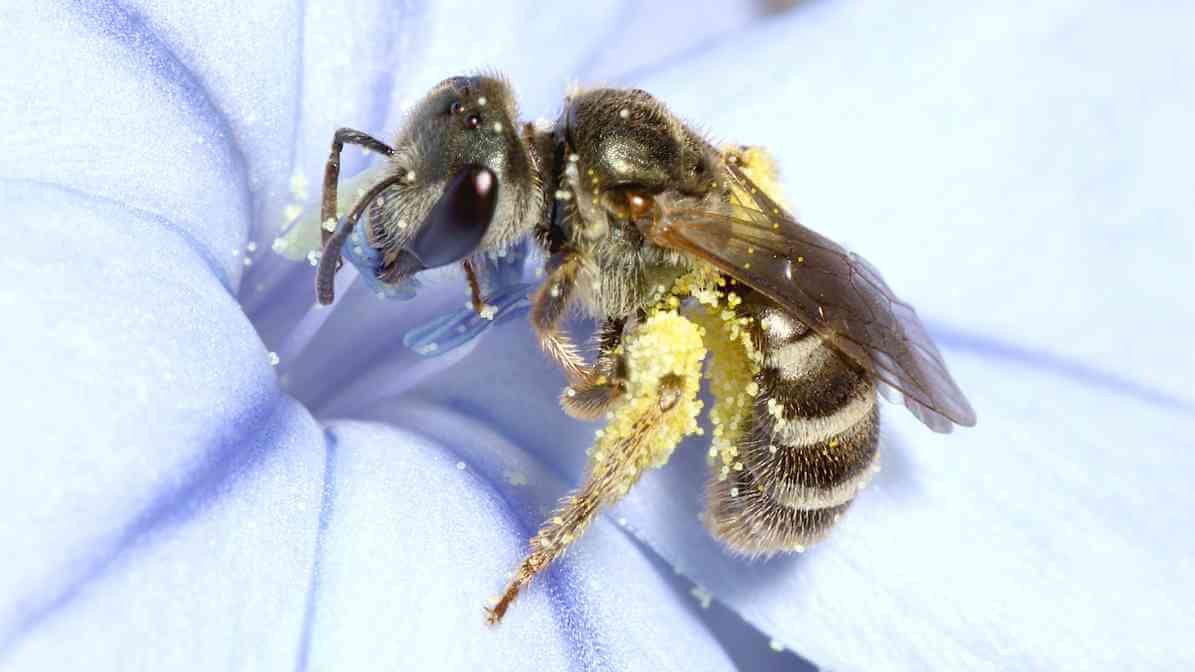
Sweat Bee
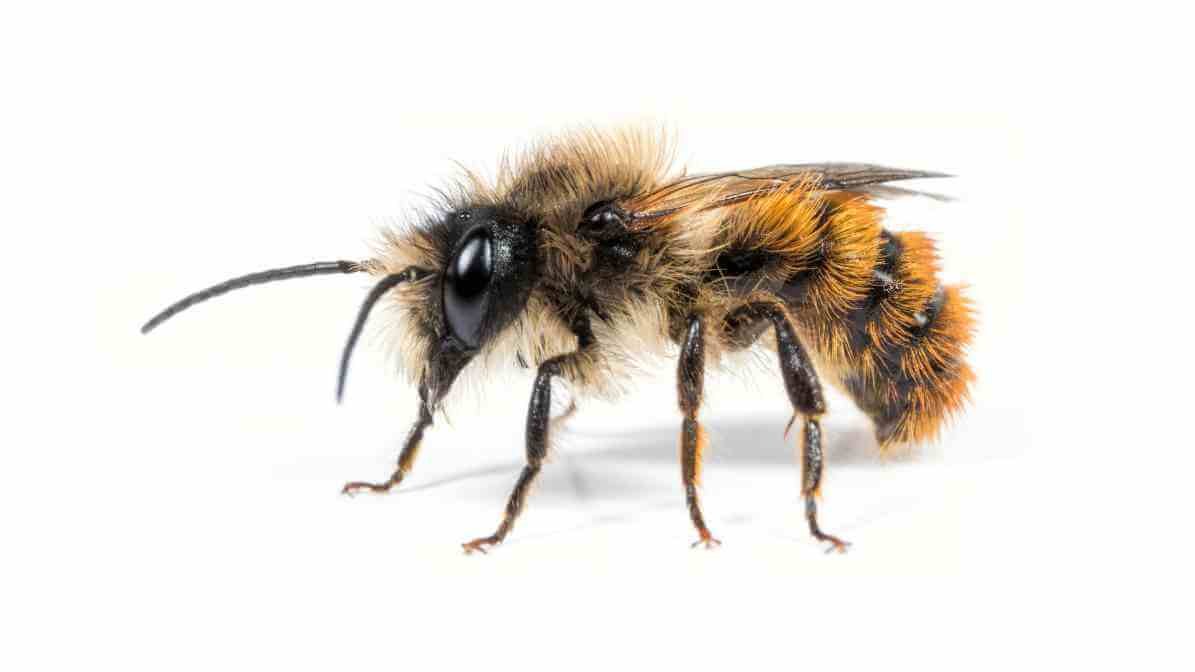
Mason Bee
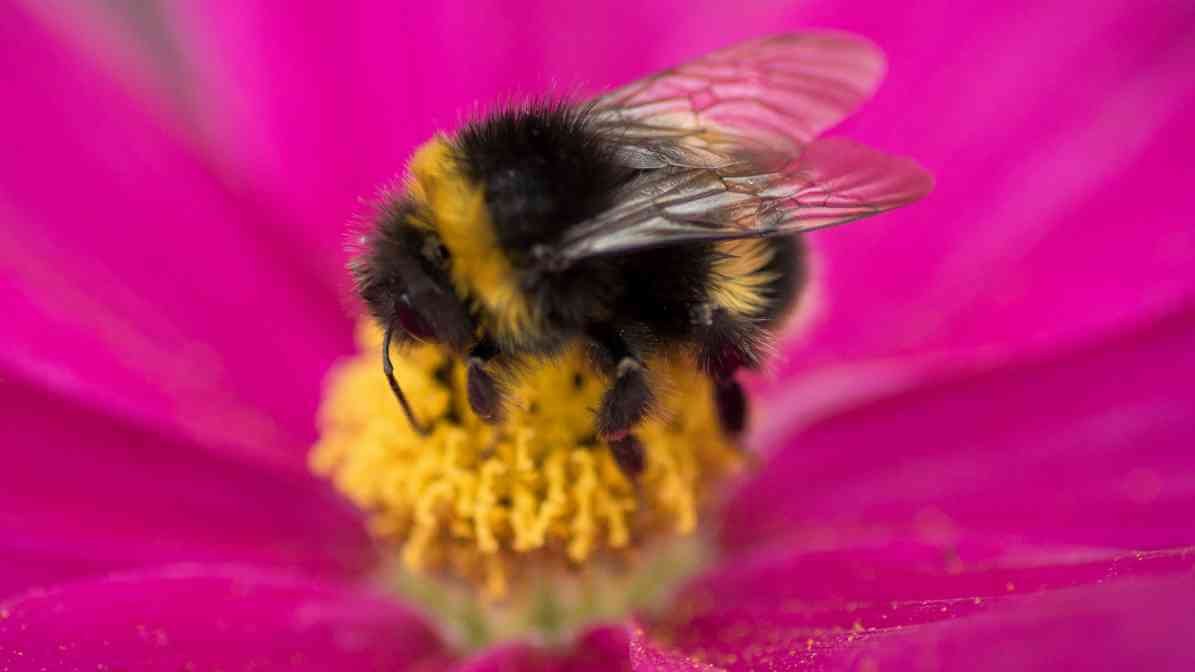
Bumble Bee
Frequently Asked Questions
Are bees in Malaysia dangerous to humans?⌄
Most bee species in Malaysia are not aggressive and will only sting when they feel threatened or their colony is disturbed. However, honey bees and certain stingless bee species can sting en masse if provoked. Individuals with bee venom allergies face a higher risk and should seek immediate medical attention after a sting. Carpenter bees rarely sting, though they can be startling due to their large size.
Should I remove a bee nest myself?⌄
We strongly advise against attempting to remove a bee colony or nest without professional assistance. Disturbing an active colony can trigger defensive swarming, placing you and those nearby at serious risk. A licensed pest management professional has the equipment and experience to relocate or remove colonies safely and effectively, minimising harm to both occupants and, where possible, the bees themselves.
How do I know if I have a bee infestation at my property?⌄
Key signs include persistent bee activity near a specific gap or entry point, visible honeycomb or nest structures on or inside your property, buzzing sounds within walls or ceiling cavities, and honey or wax staining on interior surfaces. Carpenter bee infestations are often identified by perfectly round entry holes bored into wooden eaves or beams, accompanied by sawdust and yellow staining below the holes.
What types of bees are most commonly found in Malaysian homes?⌄
Honey bees and carpenter bees are the species most frequently encountered in Malaysian residential properties. Honey bees typically nest in wall cavities, roof eaves, and ceiling voids. Carpenter bees target exposed timber such as fascia boards, decking, and wooden window frames. Stingless bees may also nest in small wall gaps but generally pose a lower nuisance risk.
How long does professional bee removal take?⌄
The duration depends on the size, location, and species of the colony. A straightforward surface nest removal can be completed in one to two hours. Internal colony removals from within wall or ceiling cavities may require multiple visits over several days to ensure the queen and all workers are fully removed and to prevent re-establishment. Our technicians will assess the situation and provide a clear timeline before work begins.
Can bees return after professional removal?⌄
Bees can return to the same location if residual pheromone scent or honeycomb remains after removal. Our technicians remove all comb and treat the area with appropriate repellents to deter re-colonisation. We also advise on sealing entry points to prevent future access. Following a post-treatment inspection and sealing all gaps is the most effective way to prevent bees from returning to your property.
Is bee removal harmful to the bees?⌄
Where practically possible, our team focuses on relocation rather than extermination, particularly for ecologically important species such as honey bees and stingless bees. However, in situations where a colony presents an immediate safety risk or is located within an inaccessible structure, extermination may be necessary. Our approach always aims to balance occupant safety with responsible pest management practices.
When is bee season in Malaysia?⌄
Unlike temperate countries, Malaysia's warm tropical climate means bee activity occurs year-round. However, swarming activity and colony establishment tend to increase during and after the monsoon seasons, when flowering plant availability peaks. Homeowners in KL, Selangor, and Johor Bahru are advised to inspect their properties periodically for early signs of bee nesting, as colonies can establish quickly during favourable conditions.
Safe & Effective Bees Control in Malaysia
Don't let a bee colony put your family or property at risk. Our licensed technicians provide safe, professional bee removal and control services across Kuala Lumpur, Selangor, and Johor Bahru.