Guide to Booklice in Malaysia
While booklice may pose challenges in food storage and establishing infestations in homes, effective pest control strategies can minimise their impact.
Overview of Their Species and
Impact in Malaysia
Booklice belongs to the order Psocodea, are small, wingless insects commonly found in homes and commercial businesses. These insects thrive in areas where organic matter like moulds and mildew is present with hot and humid conditions, making them a frequent sight in paper, food products, books and food storage spaces. While they are often mistaken for other pests, their unique characteristics and behaviours make them interesting subjects of study.
In Malaysia, with its tropical climate and prevalence of organic materials, their presence is notable, raising concerns for both ecological balance and pest management practices. If you suspect a booklice infestation at your property, our professional booklice control services are available across Kuala Lumpur, Selangor and Johor Bahru.
Biology and Behaviour of Booklice
The life cycle of booklice consists of three main stages: egg, nymph, and adult.
Egg: Females can lay dozens of eggs, usually in clusters or individually on suitable surfaces. These eggs are typically translucent and hard to detect, making early identification difficult.
Nymph: After a few days, the eggs hatch into nymphs, which resemble miniature adults but lack fully developed wings. Nymphs molt several times before maturing into adults, a process that can take from a few weeks to several months depending on environmental conditions.
Adult: The lifespan can vary; under optimal conditions, adult booklice might live for several months, continuing to reproduce throughout their life. Warm, humid conditions accelerate the life cycle and allow populations to grow rapidly.
Booklice are generally small, measuring about 1 to 3 mm in length, with a soft-bodied appearance. They are typically light brown or grey, but colouration may vary among different species.
Their bodies are elongated and flattened, allowing them to navigate through tight spaces, particularly the seams of books and containers. Adult booklice possess large, compound eyes and long antennae which aid in their sensory perception.
Unlike true lice, booklice are not parasitic and lack the claws adapted for clinging to hair or skin. They are entirely harmless to humans physically, though their presence signals underlying moisture and mould issues within a property.
Adult booklice tend to thrive in damp locations, making them common in places with persistent moisture and organic debris. In Malaysia's tropical climate, they are particularly prevalent year-round.
Typical habitats include underneath sinks where moisture accumulates, in damp basements and storerooms, and in pantry areas with high moisture content. They are also frequently found near bookshelves, cardboard storage boxes, and in poorly ventilated areas of the home or office.
They are especially drawn to humid environments where mould and other organic growth are prevalent. Maintaining indoor humidity below 50% is one of the most effective preventive measures against booklice infestations.
Booklice are primarily saprophagous, feeding on mould, fungi and organic debris. They are particularly fond of starchy materials, which often leads them to infest food items, books and other organic materials.
In Malaysia, their feeding habits can significantly impact food storage conditions, especially in humid environments where mould and other organic growth are prevalent. Stored grains, cereals, and dried food products are common targets in pantries and food warehouses.
Their preference for mould and fungi means their presence is closely linked to moisture problems. Eliminating mould growth through proper ventilation and dehumidification is key to reducing their food source and controlling populations.
Ecological Role
The ecological significance of booklice cannot be underestimated. As natural decomposers, they play a crucial role in breaking down organic matter, including detritus and decaying plants. By doing so, booklice help recycle nutrients back into the soil, contributing to the overall health of ecosystems.
Decomposing Organic Matter
They assist in the decomposition process, facilitating nutrient cycling in soils. By breaking down dead plant material, paper, and fungi, booklice help return essential nutrients to the environment, supporting plant growth and soil health in tropical ecosystems like those found throughout Malaysia.
Supporting Food Webs
As a food source for various predators, including spiders and small insects, booklice contribute to maintaining biodiversity within ecosystems. Their role in the food chain means that a healthy population of booklice in natural settings supports a range of beneficial predator species.
Challenges of Booklice as Pests
While they contribute positively to the ecosystem, booklice can become problematic pests, especially in food storage areas and libraries. Their presence is an indicator of excessive moisture and decay, which can compromise food safety and damage valuable materials.
Recognising the signs of a booklice infestation early is critical to preventing widespread damage. Professional booklice control is recommended as soon as an active infestation is suspected.
Food Contamination
Booklice can infest stored food, leading to spoilage and potential health risks. Cereals, grains, dried herbs and packaged goods in pantries are particularly vulnerable, especially in humid storage conditions.
Damage to Books and Papers
They feed on the paper in books, which can lead to significant damage if not managed promptly. Valuable documents, archives and library collections are at risk in environments where booklice populations go unchecked.
Booklice Species in Malaysia
In Malaysian climates, where humidity is often high, poor ventilation conditions favour thriving populations. Several species of booklice are observed, influenced by the country's warm and humid tropical climate.
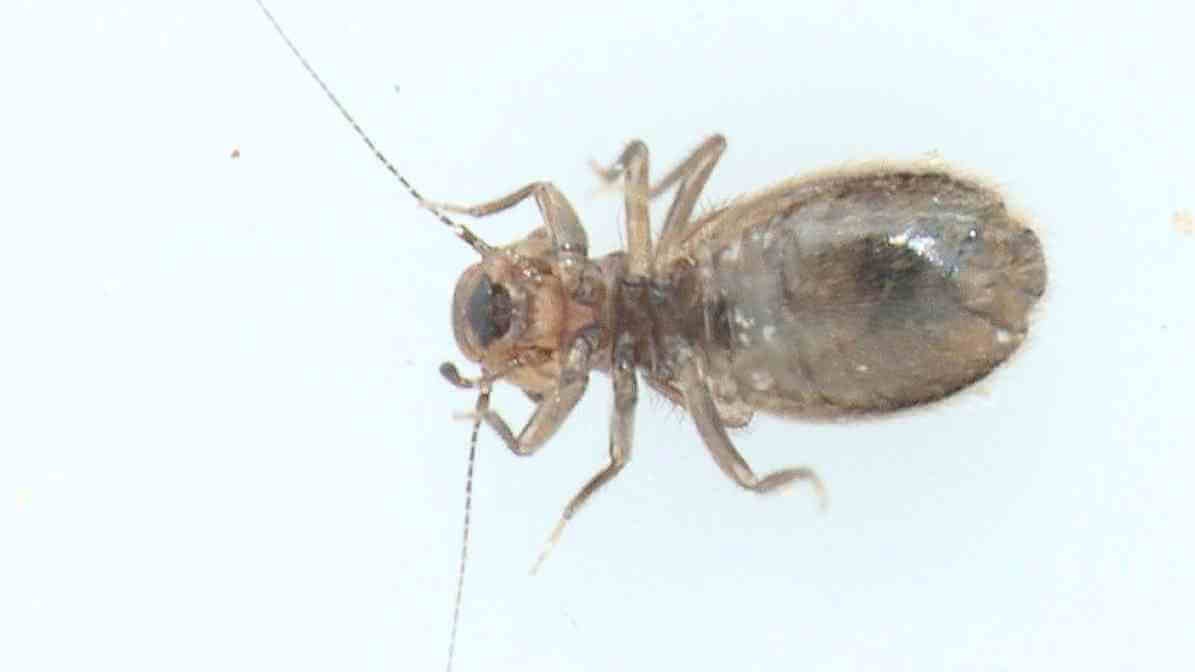
Lepinotus Patruelis
Lepinotus patruelis
Commonly found in homes, this species thrives in damp environments and prefers feeding on mould and decomposing organic matter, making it a frequent sight in outdated books and food storage areas.
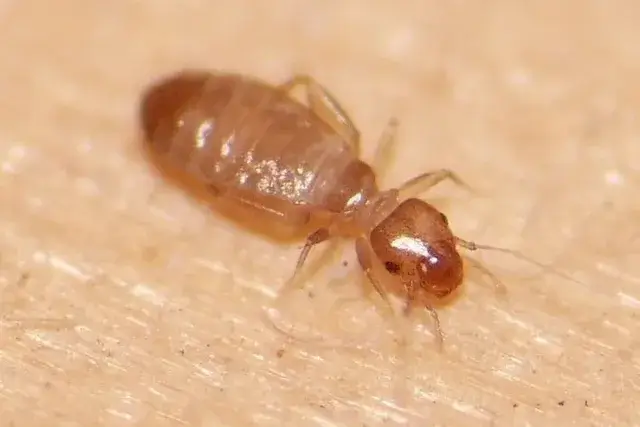
Psocid
Psocoptera
This genus includes species of booklice adapted to the humid tropical conditions found in Malaysia. They feed on mould and fungi, do not bite humans, and contribute to organic decomposition in the environment.
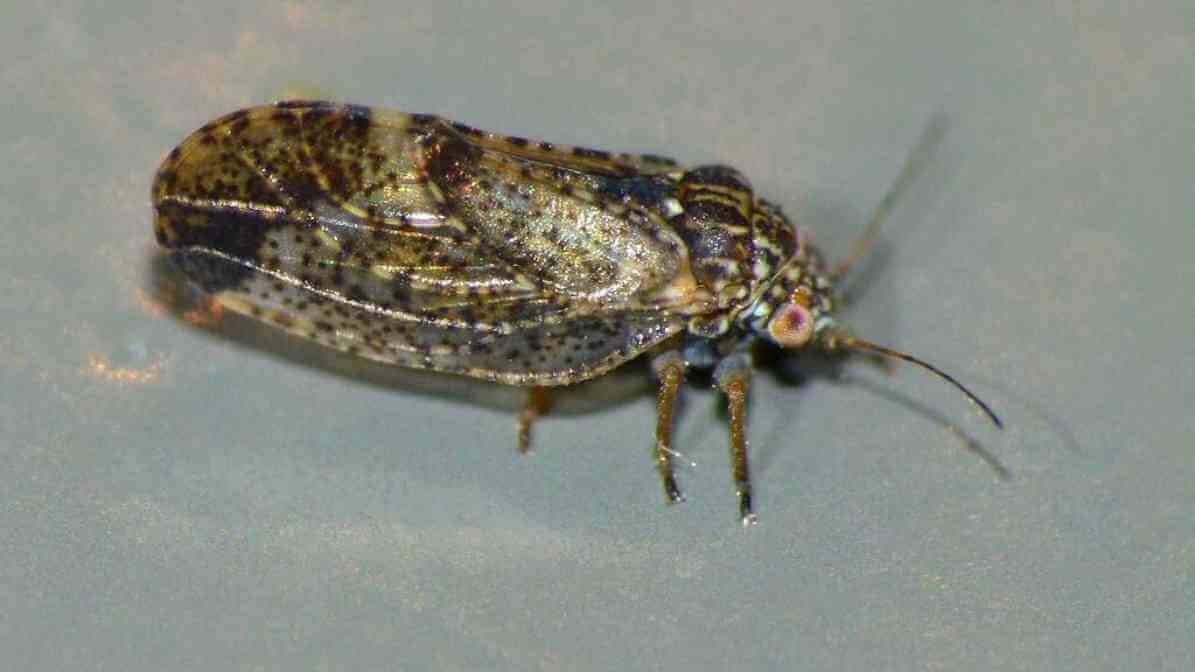
Psylla (Psyllid)
Psylloidea
While not traditionally classified as booklice, psyllids are sometimes confused with true lice due to their similar size and habitat preferences. In Malaysia, they are also involved in the decomposition of organic materials.
Frequently Asked Questions
What are booklice and why do they appear in homes?⌄
Booklice are tiny insects commonly found in humid environments where mould and organic materials are present. They often appear in bookshelves, storage areas, cardboard boxes, and food packaging in homes and buildings.
Are booklice harmful to humans?⌄
Booklice do not bite or spread diseases, but they can contaminate stored food and damage paper products, books, and documents. Their presence usually indicates excess humidity or mould growth within the property.
How do I identify booklice in my home?⌄
Booklice are tiny insects about 1 to 3mm in length, light brown or grey in colour. They are often found near books, stored food, or damp areas. Unlike lice, they do not bite and are more attracted to mould than to people or animals.
What causes booklice infestations in Malaysia?⌄
Malaysia's warm and humid climate creates ideal conditions for booklice. High humidity, poor ventilation, and mould growth are common factors that contribute to booklice infestations in homes and businesses throughout the Klang Valley and Johor Bahru.
How can I prevent booklice infestation in my property?⌄
Reducing humidity, improving ventilation, fixing water leaks, and keeping storage areas dry can help prevent booklice infestations. Storing food in airtight containers and regularly cleaning pantry shelves also removes the organic debris that attracts them.
How can professional booklice control help eliminate the infestation?⌄
Professional booklice control services identify moisture sources, eliminate mould growth, and apply targeted pest control treatments. This approach removes the infestation and prevents booklice from returning, giving you lasting protection for your home or business.
Stop Booklice from Damaging
Your Books and Food.
Booklice thrive in humid conditions and can contaminate your stored food while damaging valuable books and documents. Innovative Pest Management provides professional booklice control services across Kuala Lumpur, Selangor and Johor Bahru. Book your free inspection today.