Cockroach Species in Malaysia | Lipas | Innovative Pest MY
Home  /  Pest Biology  /  Cockroach Species in Malaysia
PEST LIBRARY · COCKROACH SPECIES · MALAYSIA

A Guide to Cockroach Species

Cockroach are resilient insects that thrive in Malaysia's warm, humid climate. Understanding their species, behaviour and life cycle is essential for effective pest management and control.
20+ Years of Experience
5,000+ Properties Protected
3 City Coverage
100% Licensed & Certified
Most Common Cockroach Species in Malaysia

Cockroaches in Malaysia

Cockroach are resilient insects belonging to the order Blattodea, and they are one of the most adaptable pests globally. With over 4,000 species known worldwide, they occupy diverse habitats ranging from tropical forests to urban environments. Though often despised for their association with filth and disease, they also play a role in the ecosystem. Contributing to nutrient decomposition and serving as food sources for various predators, including birds and mammals.

In Malaysia, the warm and humid climate provides an ideal environment for these pest populations to thrive. Understanding the various species, their behaviours and their ecological significance is essential for effective pest management and control. Explore the different cockroach species in Malaysia, their life cycles and effective strategies for controlling infestations.

If you are dealing with a cockroach infestation at home or at your business premises, our cockroach control services are available across Kuala Lumpur, Selangor and Johor Bahru.

Urgent Response
Name *
Phone *
+60
Email *
The Lifecycle, Dietary & Habitat

Cockroach Behaviour and Biology

Lifecycle
Anatomy
Habitat
Dietary
The Lifecycle
Cockroaches undergo incomplete metamorphosis, progressing through three stages: egg, nymph and adult. Their adaptability is evident in this life cycle, as they thrive in a variety of environments, reproduce quickly and endure long periods without food or access to water. Which contributes to their success as one of the most resilient pest species.
The female produces egg cases, known as oothecae, which can contain around 30 to 40 eggs depending on the species. These cases are often deposited in hidden locations such as cracks or crevices. After about 1 to 2 months, the eggs hatch into nymphs, which are small, wingless versions of adult cockroaches that undergo multiple moults as they grow.
Adults reach maturity within several moults, usually within 3 to 6 months depending on the species and environmental conditions. Adult cockroaches can live for several months to a year, during which females can produce multiple egg cases, making colony populations grow rapidly when conditions are favourable.
The Anatomy
Cockroaches have a flattened, oval-shaped body divided into three main segments: the head, thorax and abdomen. This low-profile body plan allows them to squeeze into extremely narrow crevices, making them difficult to detect and eliminate once established in a structure.
They have six spiny legs attached to the thorax, equipped for rapid movement across surfaces including walls and ceilings. Two long, sensitive antennae extend from the head and function as primary organs for detecting chemical signals, vibrations and changes in air currents around them.
Many species have two pairs of wings, though not all fly regularly. The forewings, called tegmina, are leathery and protect the membranous hindwings beneath. Cerci at the rear of the abdomen detect vibrations and air movements, giving cockroaches exceptional early warning ability against approaching threats.
The Habitat
Cockroaches favour warm, dark and humid environments where they remain hidden during the day and emerge at night to forage. In urban settings, they are most commonly found in kitchens, bathrooms, drains, sewers, behind refrigerators and underneath sinks where moisture is consistently available.
Different species occupy distinct habitats based on their preference for temperature and moisture. American cockroaches favour large, damp spaces such as sewer systems and basements. German cockroaches prefer warm kitchen environments near food preparation areas. Brown-banded cockroaches tend to occupy drier, elevated locations such as upper cabinet shelves and behind electronic equipment.
Malaysia's tropical climate, with year-round warmth and high humidity, creates conditions that are nearly ideal for cockroach habitation and breeding. This means infestations can develop rapidly and persist throughout all seasons, unlike in temperate regions where cooler winters reduce population pressure.
The Dietary
Cockroaches are omnivorous scavengers with highly varied diets that include almost any organic matter available. They are attracted to starchy foods, sugars, proteins, grease and food residue. This broad dietary flexibility makes them highly successful at surviving in human environments where food sources are plentiful and diverse.
Beyond conventional food sources, cockroaches are known to consume materials such as cardboard, paper, leather, glue, soap and even the faecal matter of other insects when food is scarce. This allows them to survive in environments that appear clean and free of obvious food sources, which often surprises homeowners.
A remarkable survival trait is their ability to go without food for up to a month and without water for approximately one week. They are also capable of surviving on minimal nutrition. This resilience, combined with their rapid reproduction, makes cockroach infestations particularly challenging to eliminate through food source management alone.
From Egg to Adult

Life Cycle of Cockroach

Egg Case (Ootheca)

The female produces egg cases, known as oothecae, which can contain multiple eggs. Depending on the species, a single egg case may hold around 30 to 40 eggs. These cases are often deposited in hidden locations such as cracks or crevices within walls, beneath appliances or inside cabinets where conditions are warm and sheltered.

Nymphs

After about 1 to 2 months, the eggs hatch into nymphs, which are small, wingless versions of adult cockroaches. Nymphs resemble their adult counterparts but are smaller and lack wings. They undergo multiple moults as they grow, shedding their exoskeleton and preferring to stay hidden in secluded areas while they develop.

Adults

They reach maturity within several moults, usually within 3 to 6 months, depending on the species and environmental conditions. Adult cockroaches can live for several months to a year depending on the species and environment. Female adults continue to produce egg cases throughout their lifespan, enabling rapid colony growth.
Contact Professional Help for Cockroach Control Services

Signs of Cockroach Infestation

Cockroaches are a serious concern for both homeowners and businesses across Malaysia. Their ability to contaminate food, spread pathogens and trigger allergic reactions makes early detection and professional treatment essential. They carry bacteria including Salmonella and E. coli on their bodies and in their droppings, which can cause food poisoning and gastroenteritis.
Recognising the early warning signs of a cockroach infestation allows you to seek effective cockroach control before populations grow and become significantly harder to eliminate. Acting at the first sign of activity is the most cost-effective approach to protecting your home or business.
Seeing cockroaches during daytime is a strong indicator of a severe infestation. Populations have likely outgrown their hiding spaces. Contact our specialists immediately for a professional inspection and targeted treatment plan.

Cockroach Droppings

Small, dark droppings resembling ground black pepper or tiny cylinders are one of the most reliable signs of cockroach activity. German cockroach droppings appear as black smear marks, while larger species produce cylindrical droppings. Check kitchen counters, under sinks, inside cabinets and along skirting boards for these telltale signs.

Egg Cases (Oothecae)

Cockroach egg cases are small, brownish, capsule-shaped shells that females deposit in concealed locations. Finding discarded oothecae in crevices, behind appliances or inside cabinets indicates active breeding. Each case can contain up to 40 eggs, meaning one discovered egg case represents significant potential population growth if left unaddressed.

Unpleasant Musty Odour

A persistent musty or oily smell in a room can indicate a cockroach infestation. This distinctive odour is produced by pheromones and secretions that cockroaches use for communication and mating. The smell becomes more pronounced as population size increases and can taint food items stored nearby, making it a critical sign that requires immediate attention.

Smear Marks

In areas with high moisture, cockroaches leave irregular brown smear marks along surfaces where they travel, particularly at wall-floor junctions, along pipes and near drainage points. These marks are caused by their bodies brushing against surfaces as they move through harbouring areas. Finding smear marks confirms cockroach activity along specific travel routes in your property.

Live Daytime Sightings

Cockroaches are nocturnal and typically avoid light. Seeing them during the day is a clear indicator that the population has grown large enough to compete for food and harborage space, forcing individuals to venture out at unusual hours. Daytime sightings are a strong signal that the infestation has reached a level requiring immediate professional intervention.
Common Cockroach Species in Malaysia

Cockroach Species in Malaysia

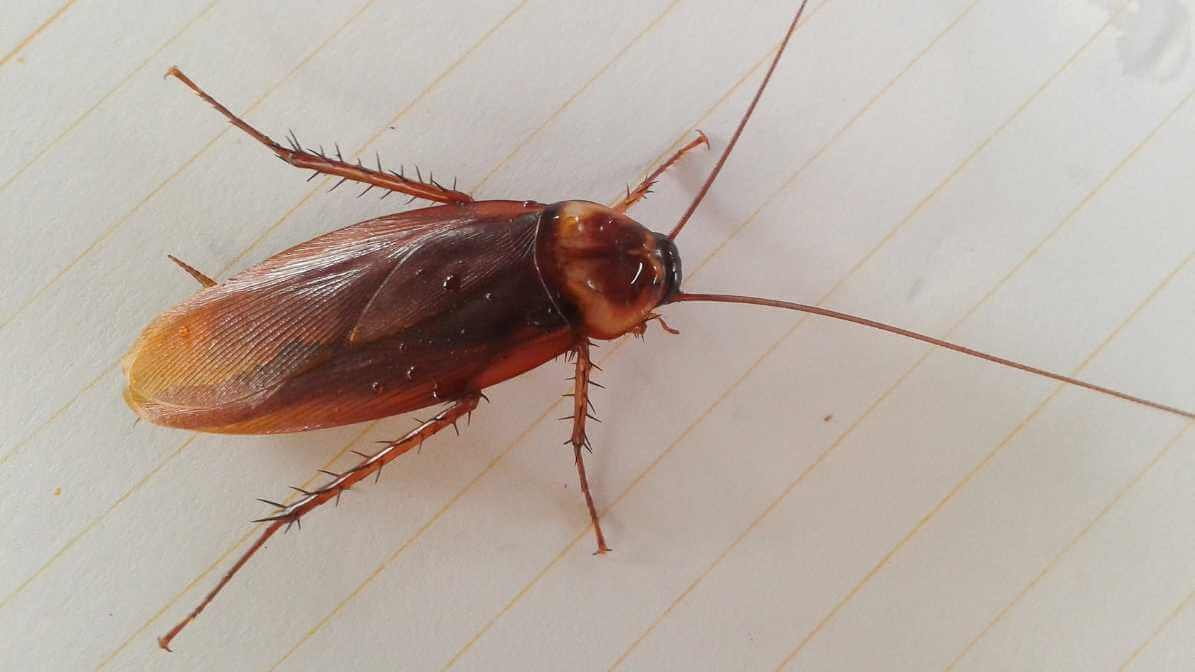
American cockroach reddish-brown large species found in Malaysian drains and sewers

American Cockroach

Periplaneta americana
The largest cockroach commonly found in Malaysia, measuring 35 to 50 mm in length. Identified by its reddish-brown body and a distinctive yellowish figure-of-8 marking on the pronotum behind the head. It enters properties through floor drains, sewer connections and gaps around plumbing, making it especially prevalent in commercial kitchens, wet markets and high-rise buildings. A capable flier in warm weather, it can carry over 33 types of bacteria on its body and is a known vector of Salmonella and E. coli.
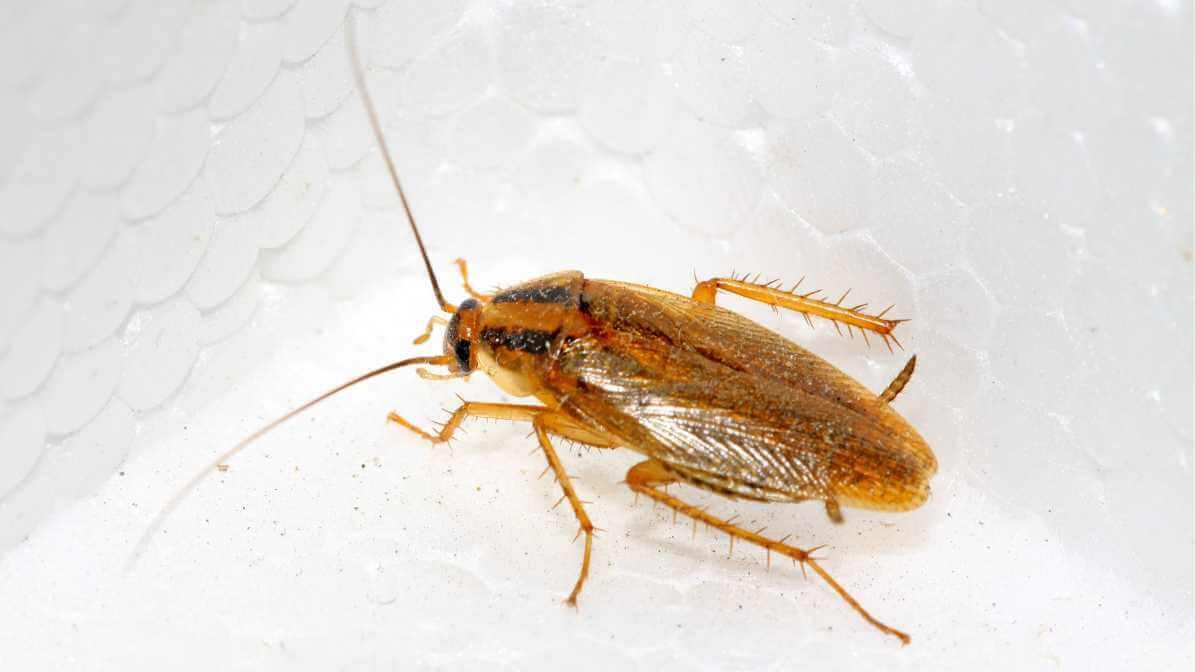
German cockroach light brown species with dark stripes common in Malaysian kitchens

German Cockroach

Blattella germanica
The most destructive indoor cockroach species in Malaysia. Measuring 13 to 16 mm, it is identified by two dark parallel stripes running lengthwise down its light brown pronotum. Unlike most species it rarely flies, preferring to stay close to heat and moisture sources such as refrigerator motors, under-sink cabinets and dishwasher seals. A single female produces up to 6 generations per year, meaning populations double rapidly. It also releases aggregation pheromones that attract more individuals, accelerating infestations. Highly resistant to many over-the-counter insecticides.
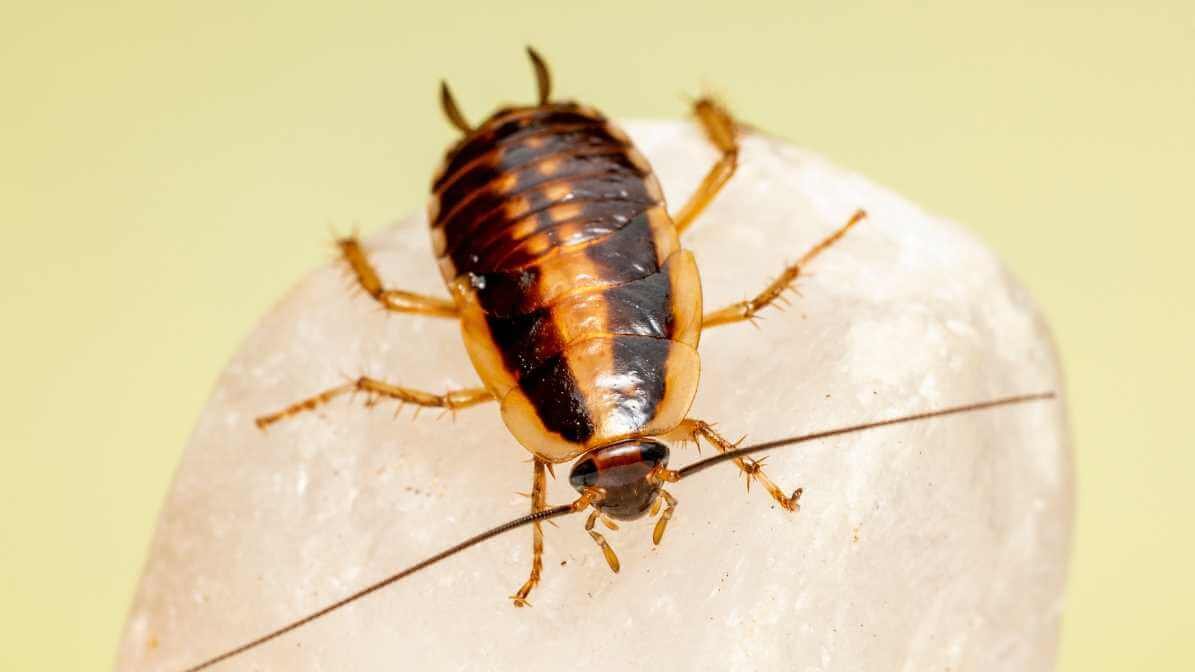
Brown banded cockroach with yellowish banding found in dry areas of Malaysian homes

Brown Banded Cockroach

Supella longipalpa
The only common cockroach species in Malaysia that actively prefers dry environments over moist ones. Measuring 10 to 14 mm, it is identified by two pale yellowish-brown bands across the base of its wings and abdomen. Unlike other species it spreads throughout the entire property rather than concentrating in kitchens, hiding inside televisions, computers, wall clocks and upper shelving. Males can fly; females cannot. Its dry-area preference makes it harder to locate and treat, and its presence inside electronics poses an additional fire risk from frass accumulation.
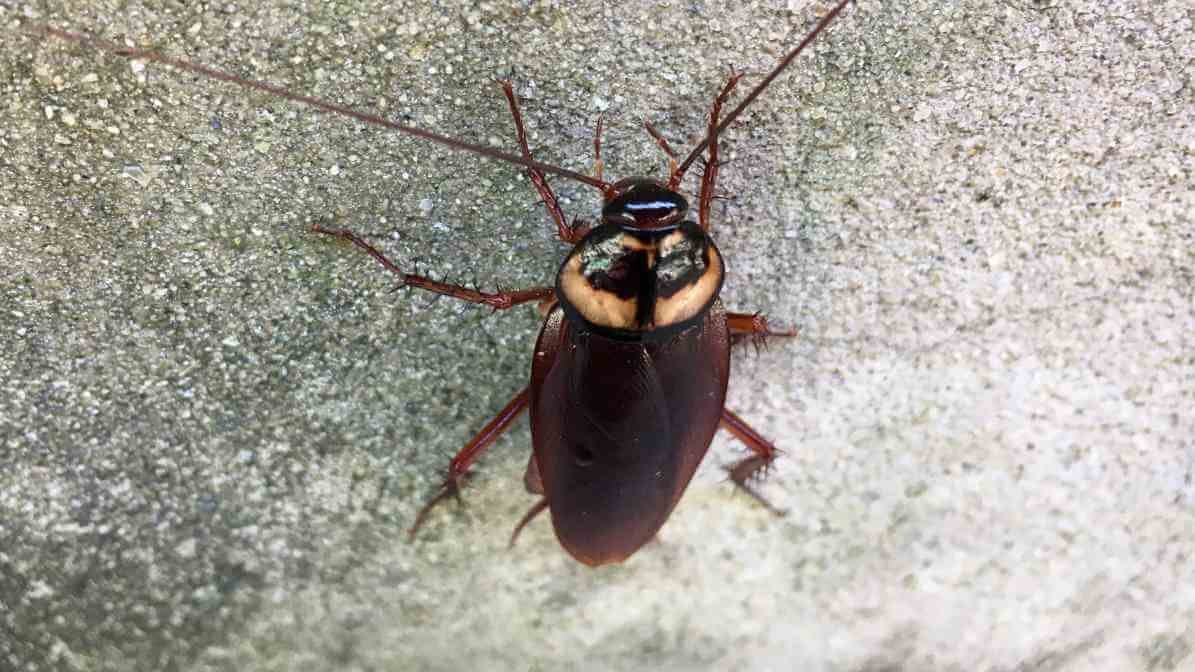
Australian cockroach with yellow border markings found in tropical Malaysian gardens and buildings

Australian Cockroach

Periplaneta australasiae
Closely resembling the American cockroach but distinguishable by a clear yellow border around the pronotum and vivid yellow streaks at the base of each forewing. Measuring 30 to 35 mm, it thrives in Malaysia's tropical outdoor environments, nesting in gardens, roof spaces, wall cavities and around building perimeters. A strong flier, it can glide from surrounding trees directly into upper-floor openings. It primarily feeds on plant material outdoors but moves indoors during dry spells or when populations grow large, often appearing in bathrooms, laundry areas and ceiling voids.
Got Questions?

Frequently Asked Questions

What types of cockroaches are most common in Malaysian homes?

The most common species found in Malaysian homes are the German cockroach and the American cockroach. German cockroaches are small, light brown and typically found in kitchens and bathrooms due to their preference for warm, moist environments. American cockroaches are larger, reddish-brown in colour and often enter from drains and sewer systems. Brown-banded cockroaches are also frequently encountered in bedrooms and living areas.

Are cockroaches in Malaysia dangerous to my family's health?

Yes, cockroaches pose significant health risks. They carry bacteria including Salmonella, E. coli and Staphylococcus on their bodies and in their droppings, which can contaminate food surfaces and cause food poisoning. Cockroach shed skins and droppings are also known allergens that can trigger asthma attacks, particularly in children. In Malaysia's densely populated urban areas, cockroach allergen exposure is a recognised public health concern.

Why do I keep getting cockroaches even in a clean home?

Cockroaches can enter clean homes through multiple routes including drainage pipes, gaps around utility cables, under doors and in packaging or second-hand appliances brought from infested locations. Malaysia's warm and humid climate also creates naturally favourable conditions for cockroaches year-round. Even with a clean kitchen, cockroaches may be attracted by moisture sources such as leaky pipes, condensation under sinks or water accumulated in drip trays beneath refrigerators.

Where do cockroaches typically hide in Malaysian properties?

Cockroaches prefer dark, warm and humid hiding spots. Common harborage areas include behind and beneath kitchen appliances such as refrigerators, stoves and dishwashers, inside lower kitchen cabinets, under sinks, within wall cavities near pipes, inside electrical boxes and behind loose wall tiles. German cockroaches are particularly fond of the warm areas around the motor compartments of refrigerators, while American cockroaches frequently inhabit drains and sewer connections.

How long does a professional cockroach treatment take to show results?

Results depend on the treatment method and severity of the infestation. Gel bait treatments typically show a significant reduction in activity within 3 to 7 days as foraging cockroaches feed on the bait and carry it back to the nest. Residual insecticide sprays begin working immediately on contact. A follow-up inspection is usually conducted 2 to 4 weeks after treatment to assess effectiveness and address any remaining activity. Persistent infestations may require multiple treatment sessions.

Can I get rid of cockroaches permanently without professional help?

DIY methods such as over-the-counter sprays and boric acid powder can reduce cockroach numbers temporarily, but rarely eliminate an established infestation completely. Cockroaches are highly resilient and can quickly develop resistance to commonly used consumer products. Professional treatments use industry-grade formulations applied to specific harborage areas identified during a thorough inspection. Combined with ongoing monitoring and habitat modification advice, professional treatment offers the most reliable path to long-term control and prevention.

⚡ LIMITED SLOTS AVAILABLE THIS WEEK
READY TO ELIMINATE COCKROACHES?

Stop Cockroach Infestations.
Protect Your Property.

Our cockroach control specialists are ready to inspect your property and provide a customised treatment plan. Serving Kuala Lumpur, Selangor and Johor Bahru. Fast response, licensed professionals, targeted solutions.