Complete Fascinating Types of Bees in Malaysia Must-Know
February 11, 2026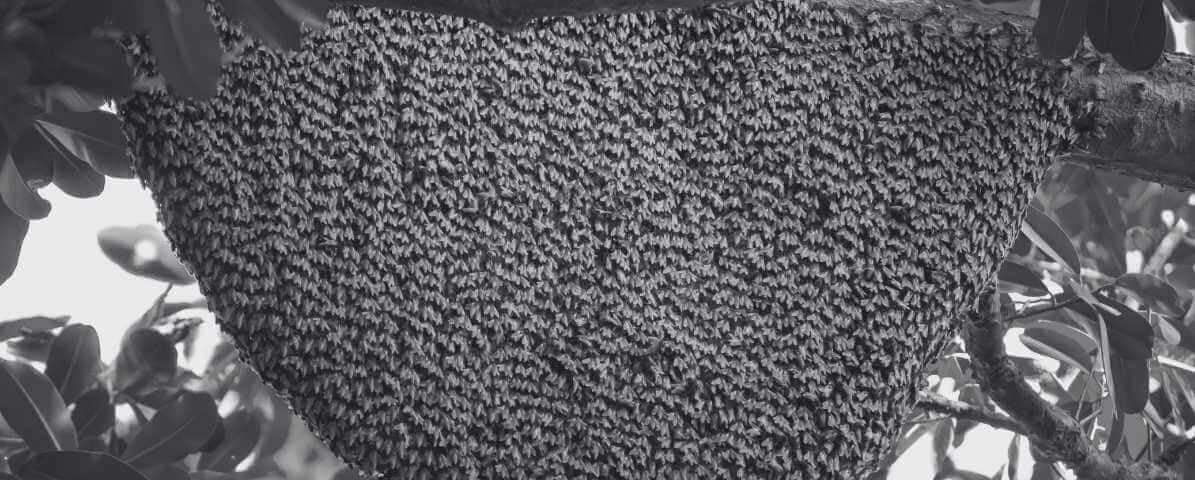
Bee Farm Secrets - Bees and Honey Thrive Naturally Today
At Innovative Pest Management, we approach bee farm management with the precision of a specialist and the responsibility of an environmental steward. Every colony we encounter is treated as a living system. Whether we are conducting an inspection, relocating a wild hive or advising on pollinator-friendly pest control, our decisions are guided by both science and sustainability.
01. The Science Behind a Thriving Bee Farm
A successful bee farm begins with understanding the complex biology of bees. Every colony is a highly organised superorganism where thousands of individuals work with remarkable precision. The colony revolves around three castes -- each with a clearly defined role critical to survival and productivity.
Lays up to 2,000 eggs daily. Lives 3 to 7 years. The colony's reproductive core and chemical communicator via pheromones.
Sterile females that forage, build comb, nurse larvae, guard the entrance and produce honey and beeswax.
Male bees whose sole purpose is to mate with a virgin queen. They do not forage, sting or build comb.
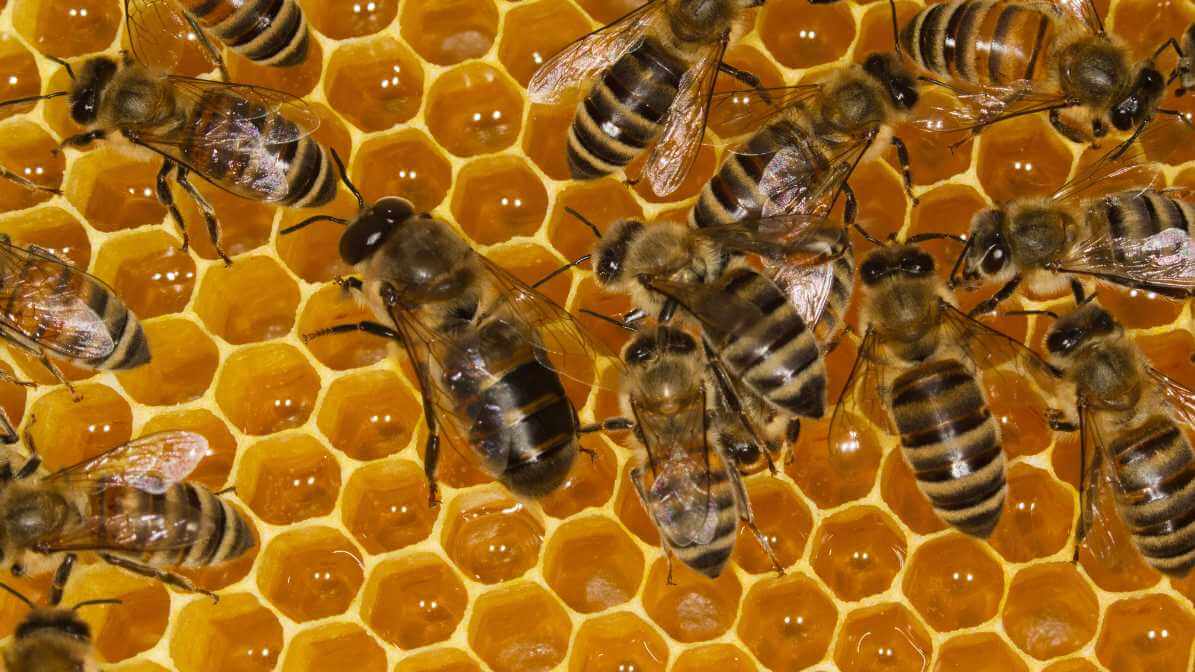
Key insight: A healthy colony in Malaysia can maintain 40,000 to 60,000 bees at peak season. Colonies communicate through chemical pheromones and the waggle dance -- a movement that encodes food source direction and distance to within a 20-metre radius.
02. Bees and Honey: Nature's Perfect Partnership
The relationship between bees and honey is one of nature's most efficient energy systems. Honey is not simply a sweet food product -- it is the colony's long-term survival reserve, carefully engineered to remain shelf-stable for years.
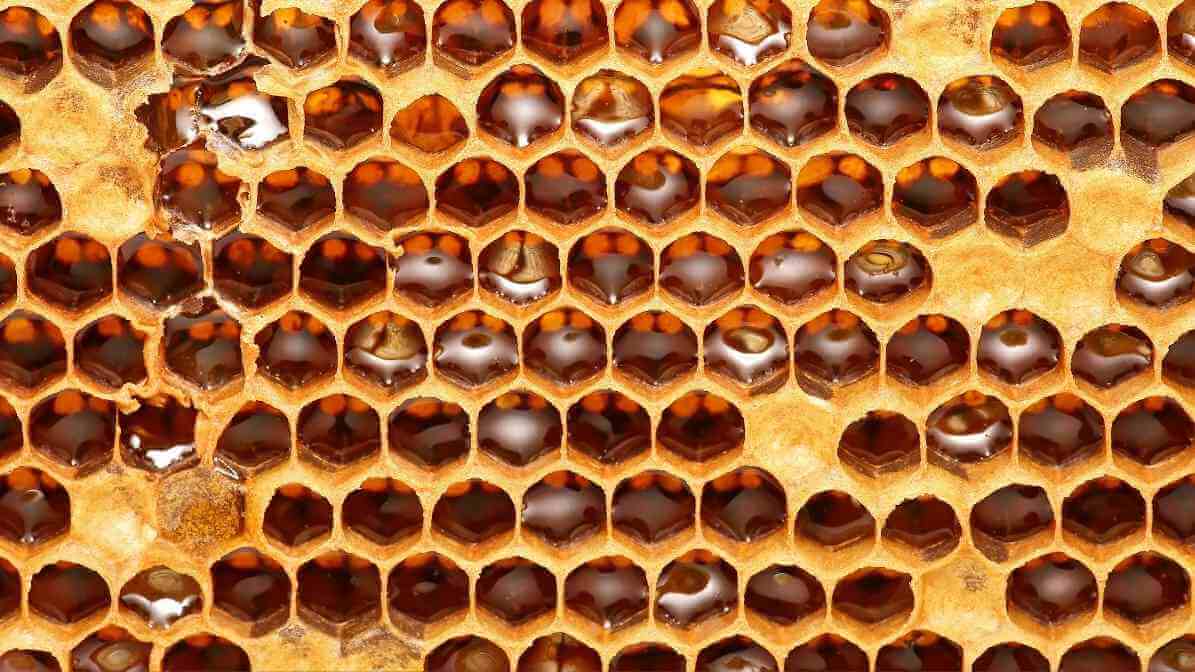
Worker bees collect floral nectar using their proboscis, storing it in a specialised honey stomach called the crop. Back at the hive, nectar is passed between worker bees through trophallaxis -- a mouth-to-mouth transfer that concentrates sugars and adds enzymes. The resulting liquid is deposited into wax cells and fanned continuously until moisture drops below 18%, at which point the cell is capped with beeswax.
A single worker bee produces only 1/12th of a teaspoon of honey in its entire lifetime. It takes approximately 2 million flower visits by an entire colony to produce just 500 grams of honey -- this extraordinary effort is why raw Malaysian honey commands such high value.
At Innovative Pest Management, we recognise that protecting bees directly protects honey quality and agricultural output. Healthy bees produce cleaner, nutrient-rich honey while strengthening the pollination networks that underpin Malaysia's fruit and vegetable economy, including durian, rambutan and oil palm cultivation.
03. The Genius of the Bee Honeycomb
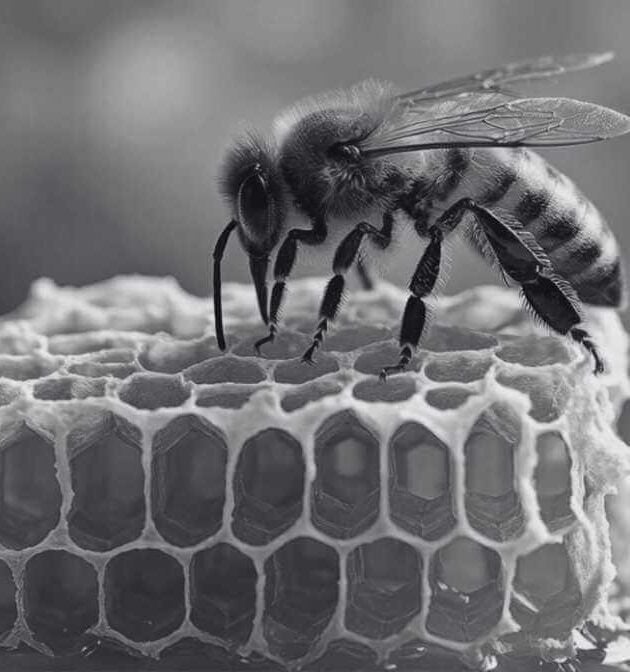
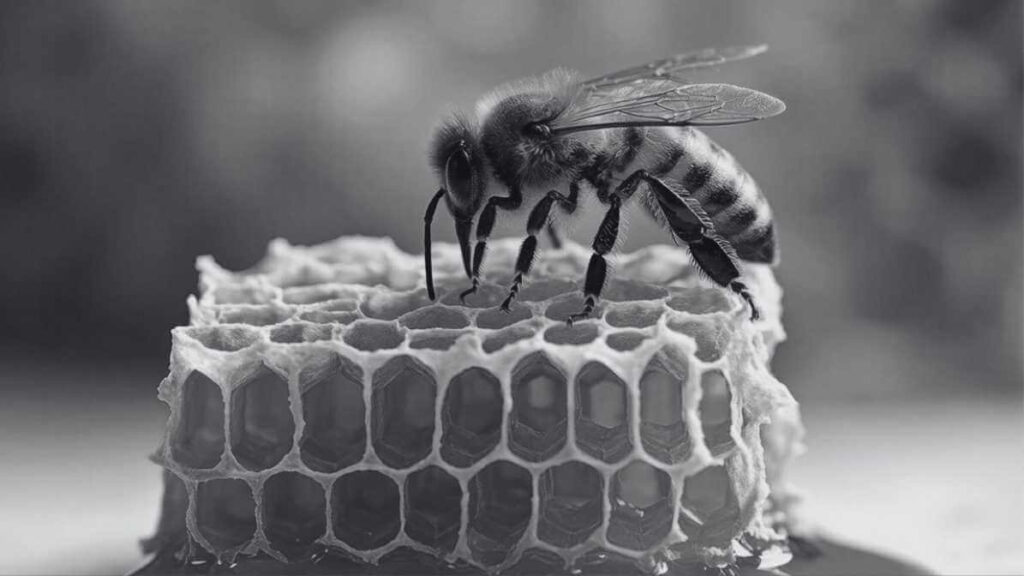
One of the most fascinating structures in nature is the bee honeycomb. Each cell is constructed with mathematical precision -- the hexagonal pattern maximises storage volume while using the minimum amount of beeswax. Different zones of the comb serve specific biological functions:
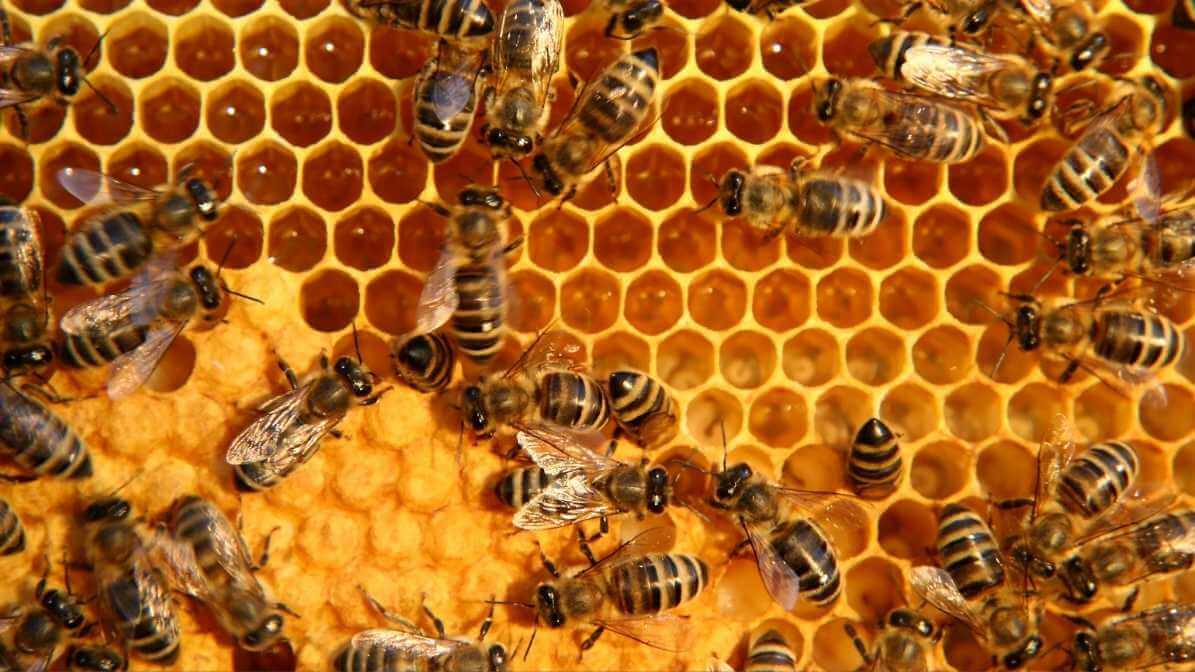
Engineering fact: Bees maintain cell walls at a consistent 13-degree tilt to prevent honey from leaking before capping. Producing one kilogram of beeswax requires bees to consume 6 to 8 kilograms of honey -- making comb reuse a critical efficiency advantage in managed hives.
04. Bee Hive in Tree vs Managed Hives
In nature, a bee hive established inside a tree cavity provides excellent insulation, protection from rain and vertical space for comb expansion. Wild tree hives of Apis dorsata (the giant honey bee) are a common sight in Malaysia's forested areas and plantation zones. However, when wild colonies establish inside roof cavities or wall voids in buildings, they create significant safety and property risks.
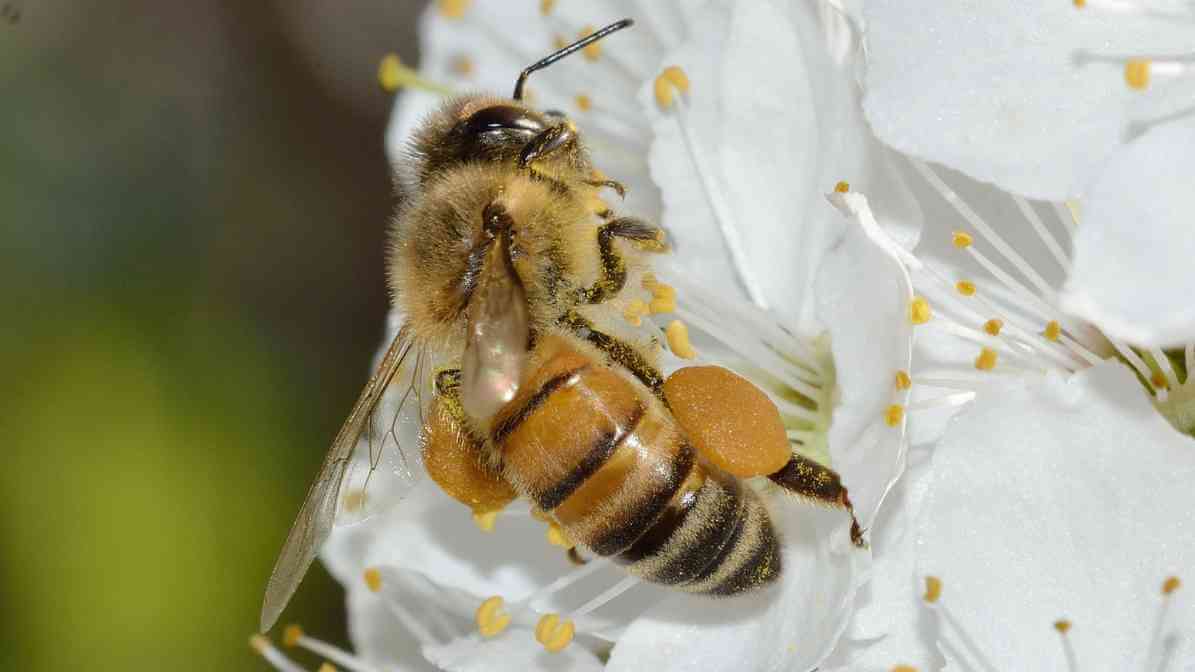
By relocating wild colonies into managed environments, Innovative Pest Management protects both people and pollinators. Our approach ensures bees thrive without exposure to harmful chemicals while minimising human-bee conflict in residential and commercial zones.
05. Happy Bees and Honey Farm Philosophy
The most productive bee farms in Malaysia are built on a philosophy of minimal interference and maximum respect for the colony's natural rhythms. Stress is the silent enemy of honey production. Ethical bee farm management centres on six core practices:
06. From Honeycomb to Harvest Honey
Harvesting honey is both an art and a science. The process begins with confirming that frames are at least 80% capped, indicating the honey has reached the correct moisture level below 18%. Premature harvesting leads to fermentation -- the primary cause of low-quality honey in unmanaged hives.
Only fully capped frames are removed. Uncapped or partially capped cells are left for the colony, ensuring the bees retain their nutritional stores.
The wax caps are gently removed with a heated uncapping knife. Frames are placed in a centrifugal extractor that spins honey out without damaging the comb structure.
Raw honey is filtered through fine mesh to remove wax particles and bee matter, then allowed to settle for 24 to 48 hours before bottling at room temperature.
Emptied frames are returned to the hive, saving the bees the energy cost of rebuilding comb -- which requires consuming 7kg of honey per 1kg of wax produced.
Raw, unfiltered Malaysian honey contains traces of pollen from local flora, giving it unique flavour profiles and natural antimicrobial properties. Tualang honey from Apis dorsata hives is among the most studied Malaysian varieties for its bioactive compounds.
07. Pest Management That Protects Pollinators
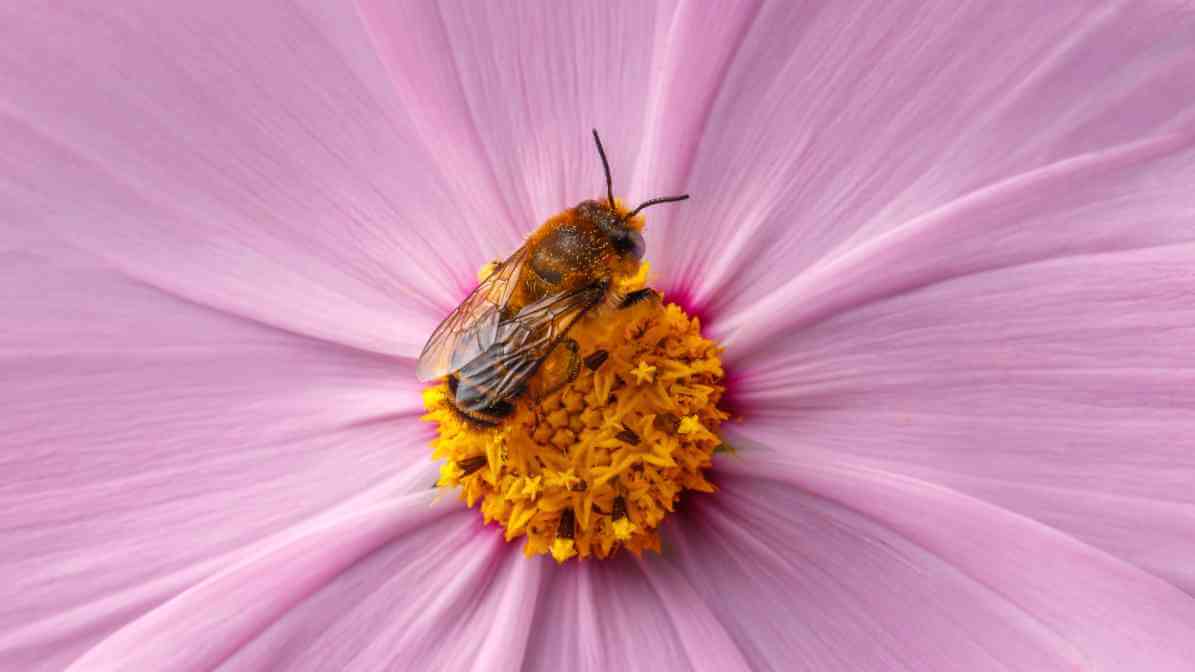
As experts in pest control, we understand the critical difference between managing harmful pest species and preserving the beneficial insects that sustain our food systems. Our Integrated Pest Management approach for properties near bee colonies follows three guiding principles:
We prioritise formulations that are non-toxic to pollinators. Applications near flowering plants are scheduled after 4pm when bees have returned to their hive.
Before any colony removal, we assess whether live relocation is feasible. Most established colonies can be safely relocated intact to a suitable alternative environment.
After relocation, affected cavities are thoroughly cleaned and sealed to prevent re-colonisation. Residual pheromone traces are treated to deter future swarming attraction.
Bees are responsible for pollinating 70% of the world's food crops. In Malaysia, they directly support durian, rambutan, starfruit, oil palm and many vegetable crops. Protecting bees is not only the ethical choice -- it is also the economically rational one. Every pest management decision at Innovative Pest Management is guided by this responsibility.
FAQ. Your Bee Farm Questions Answered
Answers to the most common questions about bee farms, honey production and professional bee removal in Malaysia.
Our team of licensed pest control operators serves Kuala Lumpur, Selangor and Johor Bahru. We write practical identification and prevention guides to help Malaysian homeowners and businesses stay pest-free.
View all articlesProtect Your Property.
Protect the Bees.
Whether you need a bee hive safely relocated, a pest assessment near a bee farm, or ongoing protection with pollinator-safe treatments, our licensed team is ready to help across Kuala Lumpur, Selangor and Johor Bahru.