Guide to Ants in Malaysia
Ants in Malaysia
Ants are a fundamental component of Malaysia's rich biodiversity, contributing significantly to the ecosystem's balance. As narrow waist social insects, they play vital roles in soil aeration, decomposition, and seed dispersal. Furthermore, their diverse behaviours and interactions with other organisms, including humans, highlight both their ecological importance and the challenges they pose in urban environments. Understanding the variety and their behaviour in Malaysia is essential for developing effective pest management strategies.
They are more than just pests, they are valuable participants in Malaysia's ecosystems. Their significance in soil health, plant growth, and even as prey for other animals. Highlighting the importance of finding solutions that protect both human interests and the ecological integrity of the environment. As we advance our understanding, we can forge a path towards sustainable coexistence for future generations.
If you are dealing with an ant infestation at home or at your business premises, our ant control services are available across Kuala Lumpur, Selangor and Johor Bahru.
Ants Behaviour and Ecology
Nesting and Food Sources
Egg Stage
Larva Stage
Pupa Stage
Adult Stage
Challenges with Ants
Fire Ants (Solenopsis)
Ghost Ants (Tapinoma melanocephalum)
Pharaoh Ants (Monomorium pharaonis)
Carpenter Ants (Camponotus)
Ants Species in Malaysia
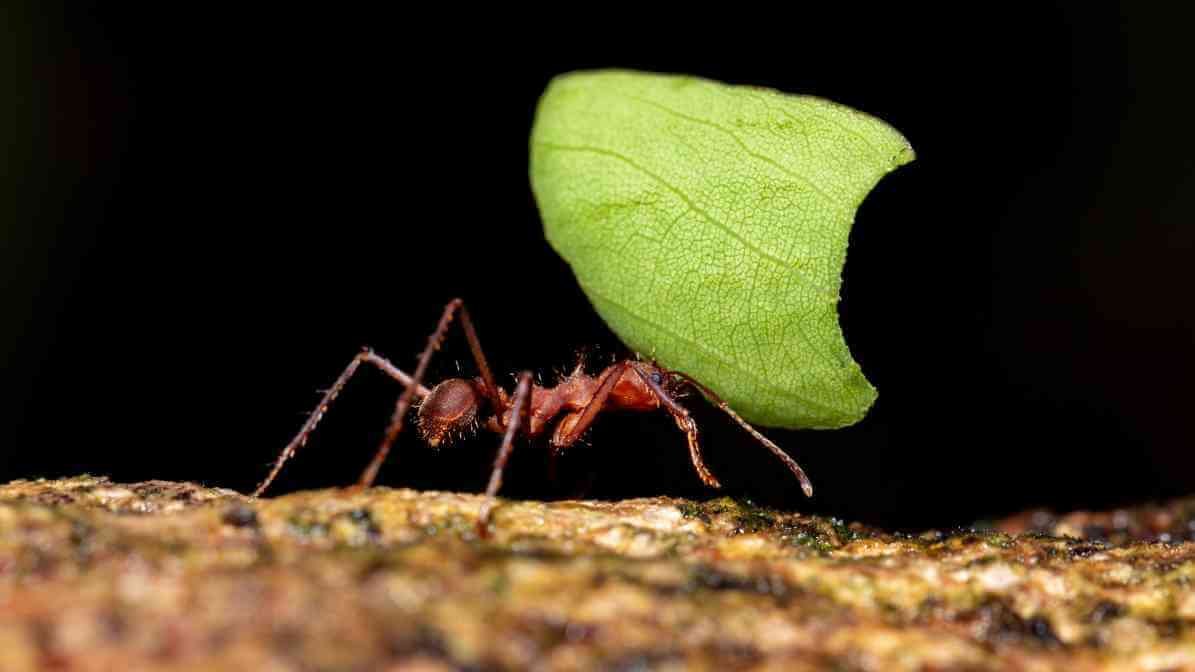
Leafcutter Ants
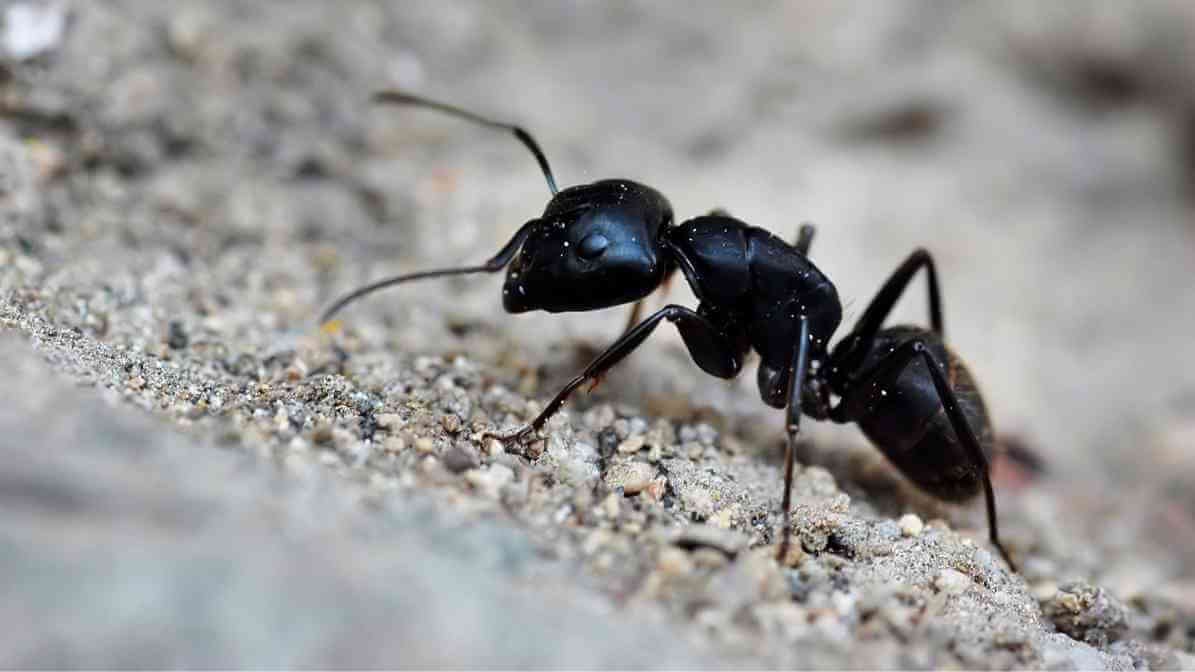
Black House Ant
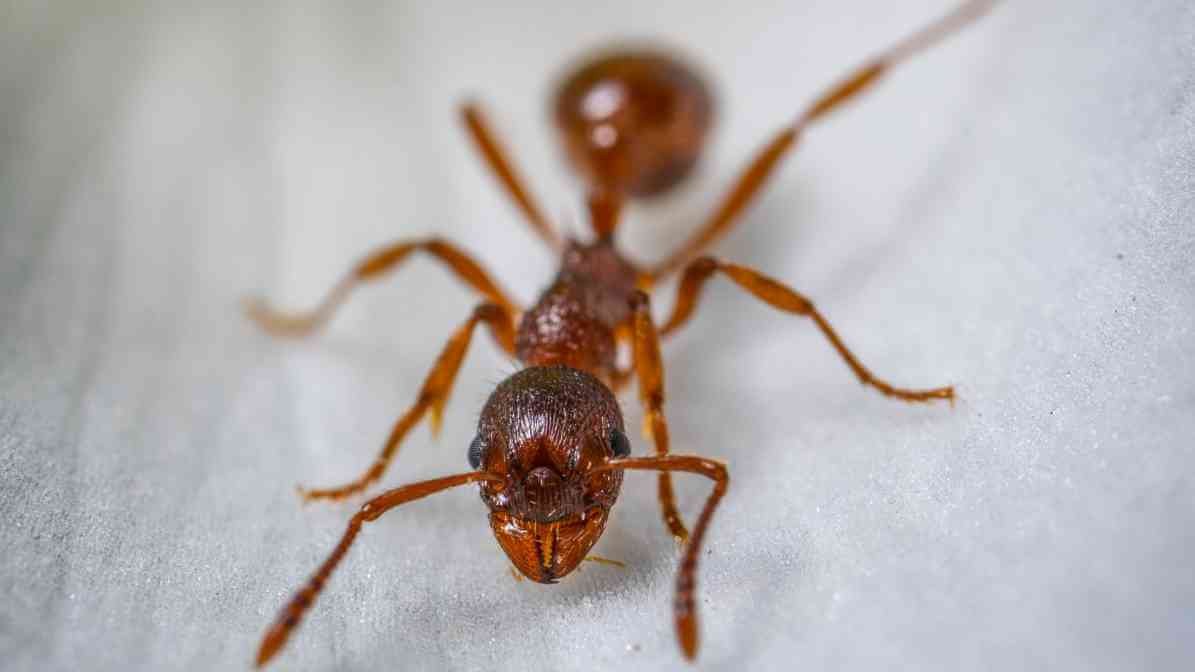
Fire Ant
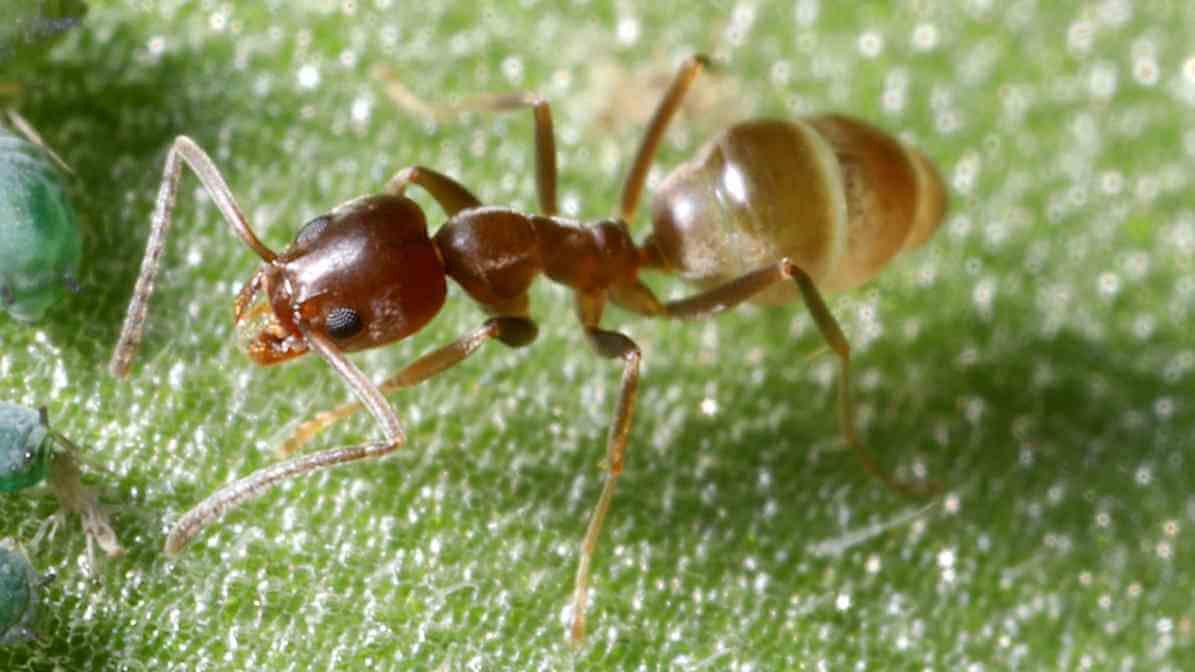
Ghost Ant
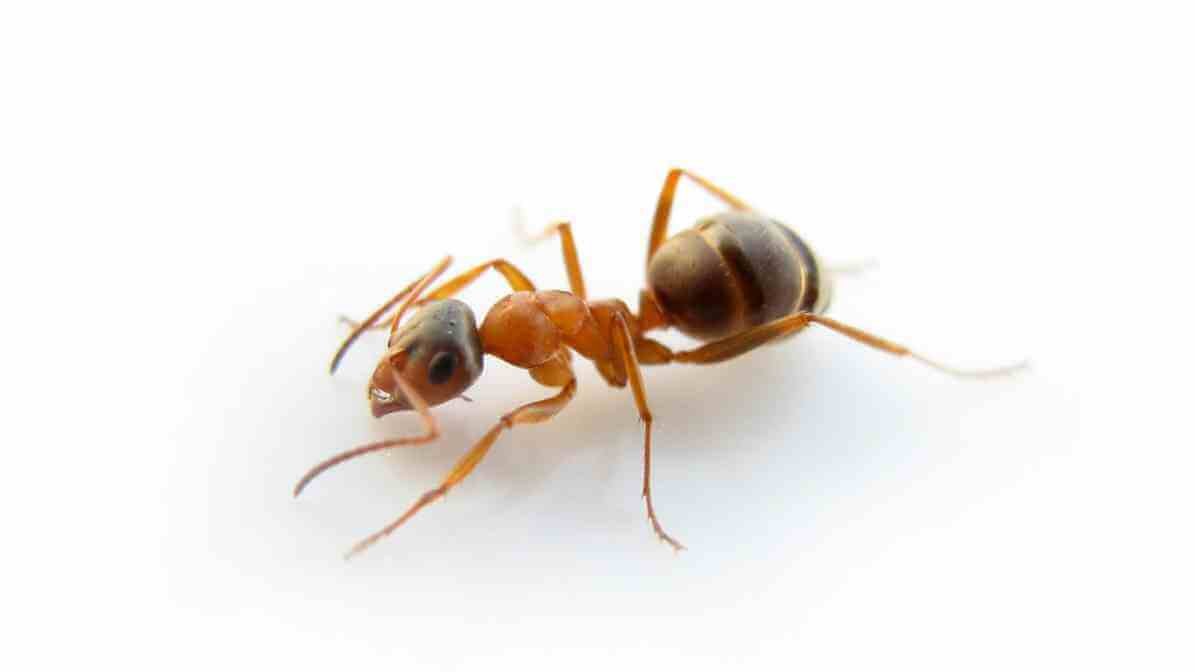
Odorous House Ant
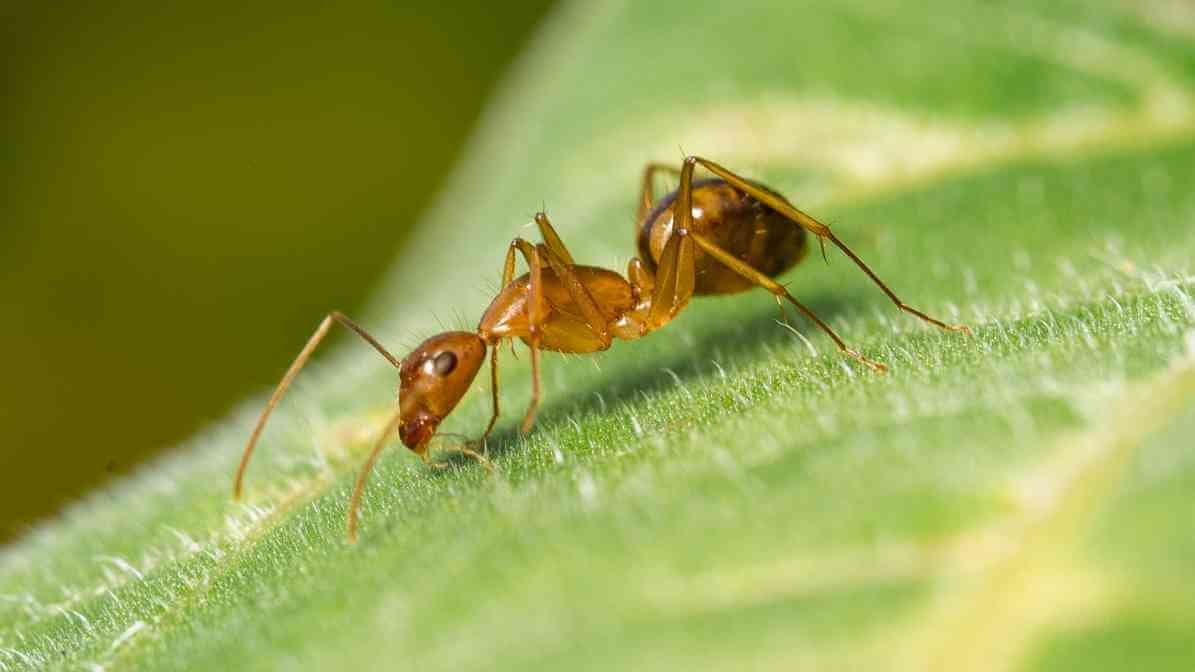
Pharaoh Ant
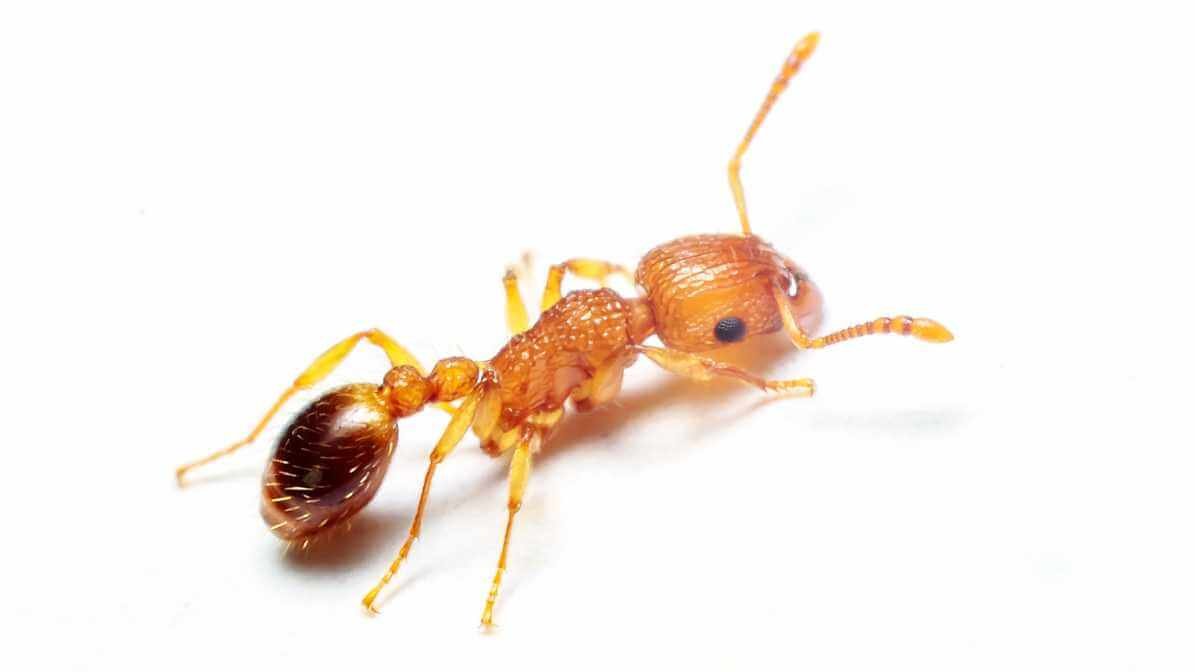
Crazy Ant
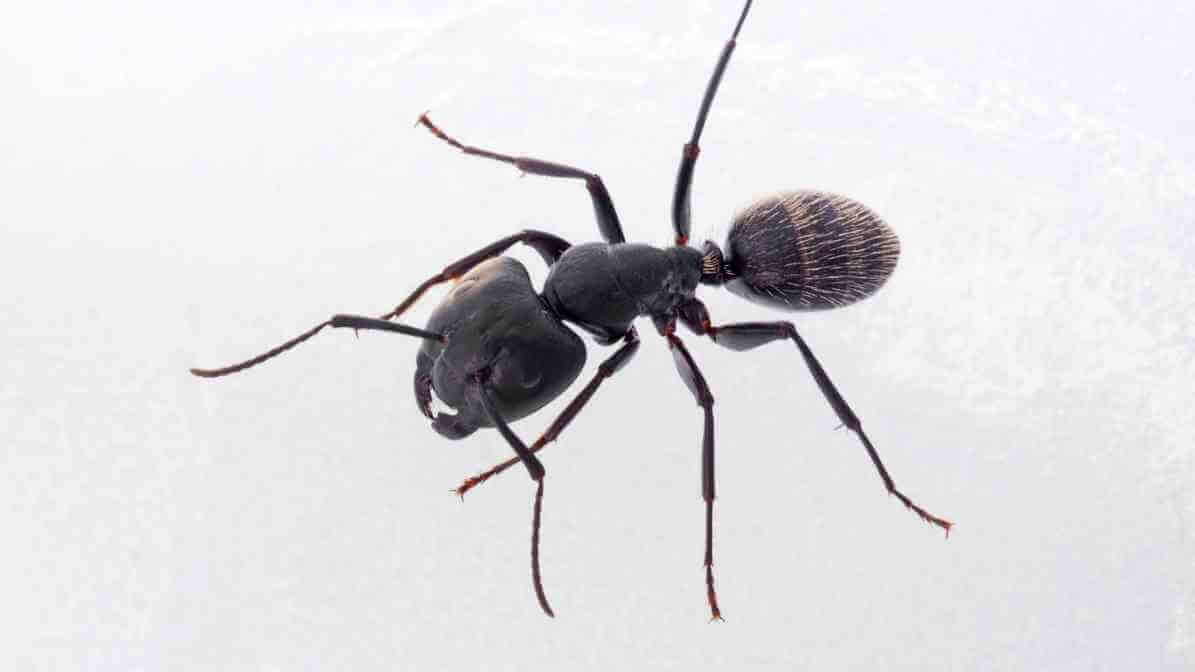
Carpenter Ant
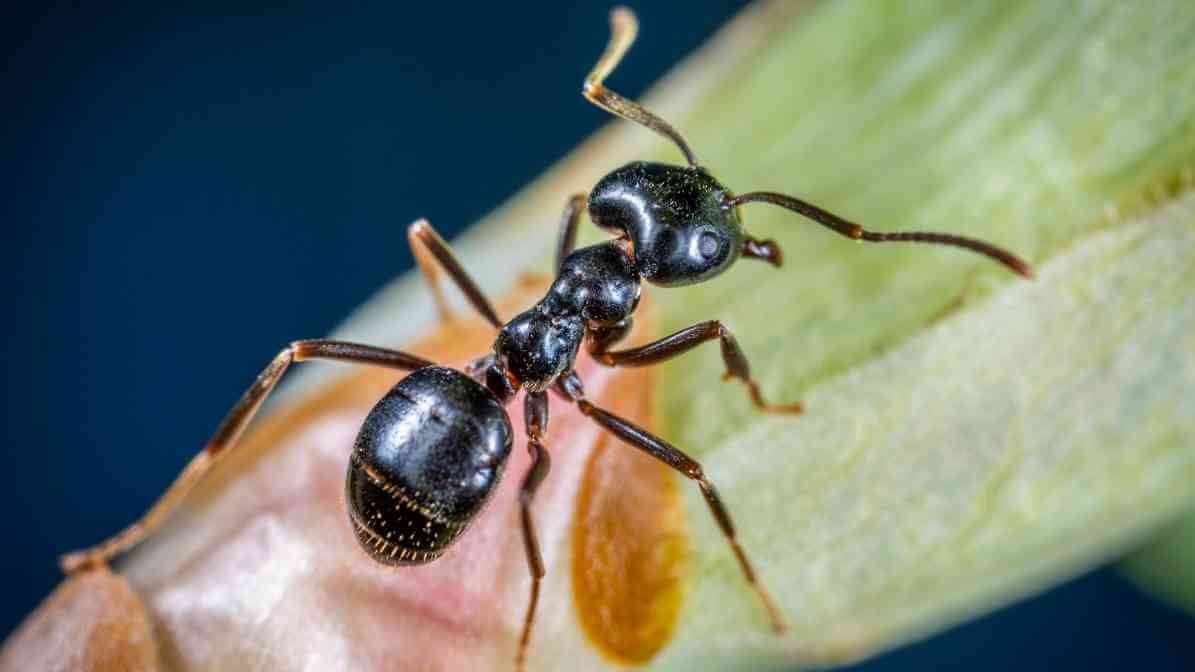
Pavement Ant
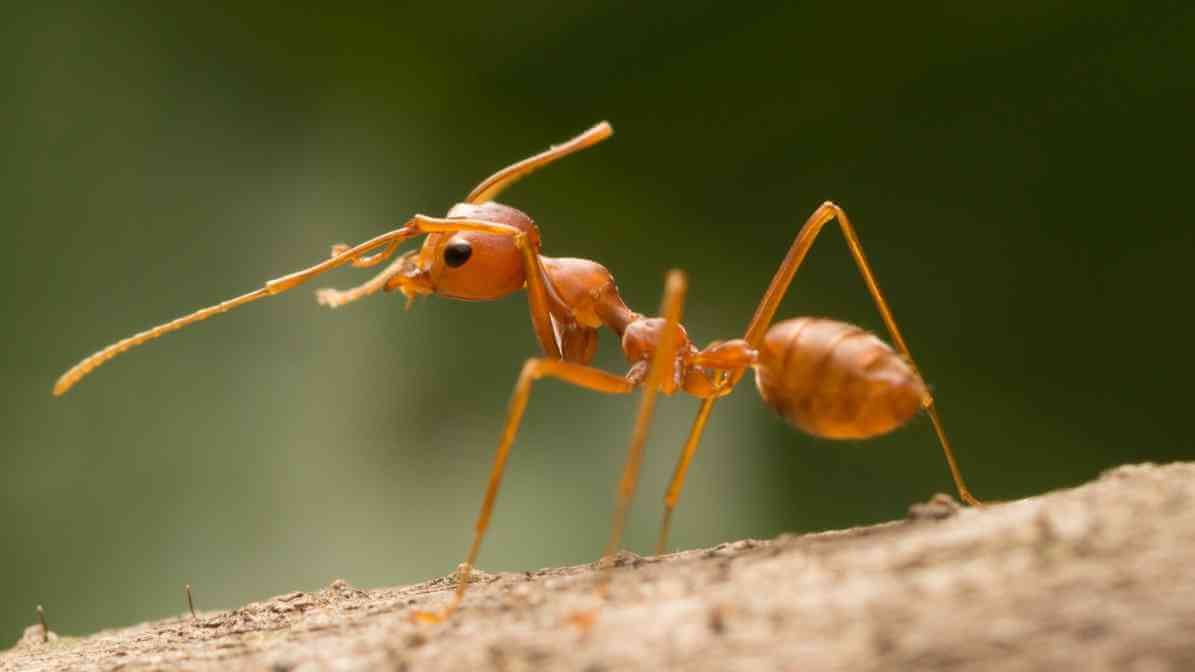
Weaver Ants
Frequently Asked Questions
What types of ants are most common in Malaysian homes? ⌄
The most common species found in Malaysian homes include ghost ants, pharaoh ants, black house ants, and fire ants. Ghost ants are particularly prevalent due to their small size and ability to infiltrate tiny crevices in walls and kitchens. Fire ants are common outdoors in gardens and lawns.
Are ant stings dangerous in Malaysia? ⌄
Fire ant stings can cause significant pain and, in some cases, allergic reactions that may require medical attention. Pharaoh ants and ghost ants do not sting but can pose hygiene risks by contaminating food and surfaces. If you experience severe reactions to ant stings, seek medical help immediately.
Can carpenter ants damage my property? ⌄
Yes, carpenter ants excavate wood to build their nests, which can weaken structural timber in your home or building over time. Unlike termites, they do not eat the wood, but the tunnelling can still cause significant structural damage especially in wood that has been softened by moisture. Early detection and professional treatment is essential.
Why do I keep getting ants in my kitchen? ⌄
Kitchens provide ants with two key resources: food and moisture. Even small crumbs, spills, or improperly sealed food containers can attract ant colonies. Ghost ants and black house ants are especially drawn to sweet substances and grease. Regular cleaning, sealing food in airtight containers, and fixing moisture issues can help reduce their attraction to your kitchen.
How do I know if I have a serious ant infestation? ⌄
Signs of a serious infestation include large ant trails throughout your property, visible nesting sites in walls, soil, or woodwork, and persistent ant activity even after cleaning and removing food sources. If DIY methods are not working after a few days, it is advisable to contact a professional pest control specialist for a thorough inspection.
What does Innovative Pest Management use to treat ant infestations? ⌄
Our specialists use Integrated Pest Management (IPM) strategies that include targeted baiting, colony elimination treatments, and habitat modification. We identify the specific ant species before recommending a treatment plan, ensuring that the correct products are applied at the right locations for maximum effectiveness and minimum environmental impact.
Do your ant control treatments affect my family and pets? ⌄
The safety of your family, children, and pets is our priority. We use eco-friendly, low-toxicity treatments that are approved by the Pesticide Board of Malaysia. Our specialists will advise you on any temporary precautions to take during and after treatment. Most treatments allow normal occupancy to resume within a short period after application.
How long does it take to get rid of an ant colony? ⌄
The timeline depends on the species, the size of the infestation, and the treatment method used. Baiting treatments can take 1 to 2 weeks to fully eliminate a colony as workers carry the bait back to the queen. More aggressive treatments may show faster results. Our specialists will provide a clear timeline during the initial inspection and quote.